25 easy startsFree first sessionsUpdated 2026-09-07
25 Easy Hobbies for Beginners—Start One Today
Choose what you want and how much time you have. Get three ranked hobbies and one free first session—before buying anything.

25 easy startsFree first sessionsUpdated 2026-09-07
Choose what you want and how much time you have. Get three ranked hobbies and one free first session—before buying anything.

The best hobbies for beginners include walking, journaling, sketching, phone photography, origami, mobility practice, chess, gardening, cooking, and board games. Each has a clear first step, costs little or nothing to try, and can show progress quickly. Start with one 10–20 minute session before buying gear.
| You want | Try | Free first test | Time | Cost now | Watch for |
|---|---|---|---|---|---|
| Calm | One-page journal | Fill one page, then stop | 10 min | $0 | Blank-page pressure |
| Fresh air | Noticing walk | Record five things on one block | 10 min | $0 | Unsafe route or weather |
| A visible result | Contour sketch | Draw one object without erasing | 20 min | $0 | Judging skill too early |
| Creative play | Phone photo hunt | Shoot six photos on one theme | 10 min | $0 | Endless editing |
| A useful object | Origami bookmark | Fold one from scrap paper | 20 min | $0 | Starting with a hard model |
| Gentle movement | Mobility flow | Follow one short, safe sequence | 10 min | $0 | Pain or unsafe range |
| A mental challenge | Chess puzzles | Solve five beginner puzzles | 10 min | $0 | Rating pressure |
| Connection | Borrowed board game | Finish one short borrowed round | 45 min | $0 | Rules or group mismatch |
The chooser opens an exact free or borrowed first-session test. It never sends you straight to a store.
Choose what matters now. We rank every available start, explain the fit, and show one best match plus two alternatives—so there is no dead end.
Your best match and two alternatives are ready.
A clear $0 finish makes this the lowest-friction default. Change any answer above to rerank the shortlist.
Fit: No setup, 10 minutes, solo or together.
These trade one small constraint for a different kind of payoff.
A familiar walk becomes a hobby when you give it one small observation mission.
See the exact first sessionA single page gives reflection a boundary, so the session does not become another big project.
See the exact first sessionDrawing one ordinary object trains attention without requiring talent or special supplies.
See the exact first sessionA short theme turns ordinary phone pictures into a deliberate creative session.
See the exact first sessionOne useful paper fold creates a finish in a single sitting.
See the exact first sessionA grid of color swatches creates a finished page without asking you to paint a scene.
See the exact first sessionRepeating one word makes progress easy to see without requiring calligraphy tools.
See the exact first sessionA postcard-sized surface prevents an open-ended art project from growing too large.
See the exact first sessionA short, gentle sequence adds movement without turning the first day into a workout plan.
See the exact first sessionCounting instead of identifying everything makes birdwatching approachable from day one.
See the exact first sessionLearning only one chorus keeps a dance session playful and measurable.
See the exact first sessionA short borrowed or print-and-play game tests the group before anyone buys a box.
See the exact first sessionOne short article creates conversation without the commitment of a full book club.
See the exact first sessionChecking real light and care capacity comes before buying plants or a garden kit.
See the exact first sessionA tiny puzzle set tests pattern learning without requiring a board, opponent, or long game.
See the exact first sessionThe first session tests the activity. The second tests whether you will restart it on an ordinary day. Only then do we ask what blocked session three.
Choose a shortlist result, then use the Start button inside its exact first-session card.
This small-test approach follows expert advice to run specific, low-commitment leisure experiments: see the Associated Press guide and TIME’s expert-backed guide.
LikeHobby reveals at most one setup when it closely matches both the repeated hobby and the blocker you named. A no-buy continuation is the default when gear cannot honestly help.
Disclosure before the paid link: As an Amazon Associate I earn from qualifying purchases. Paid links never change what LikeHobby recommends, and using them costs you nothing extra.
Keep the version that already earned two sessions, or adapt the time, posture, cleanup, access, or instruction before shopping.
Keep exploring free sessionsPrices, availability, reviews, and included parts can change. Check the current listing and return policy; a high piece count is not beginner value.
Use the five starting points below when you prefer to scan. Each idea includes an exact first session, finish line, repeat signal, and reason to skip or adapt.
These tests remove shopping, classes, and identity pressure. Finish one small attempt before deciding whether the hobby deserves more time.
A familiar walk becomes a hobby when you give it one small observation mission.
First session: Walk one familiar block for 10 minutes and notice five colors, sounds, or shapes you normally miss.
Finish: Return home with five observations in your notes app or on paper.
Repeat signal: You want a different route or a new observation theme tomorrow.
Skip or adapt: Skip the outing when weather, lighting, traffic, or mobility makes the route unsafe.
A single page gives reflection a boundary, so the session does not become another big project.
First session: Write three lines: what took energy, what gave energy, and one thing you want tomorrow.
Finish: Stop when the three prompts are answered, even if space remains.
Repeat signal: You notice that the page makes tomorrow feel clearer or lighter.
Skip or adapt: Choose a neutral prompt or another hobby if writing feels emotionally heavy today.
Drawing one ordinary object trains attention without requiring talent or special supplies.
First session: Use any pen and scrap paper to draw one mug without erasing. Look at the mug more than the page.
Finish: Date the sketch and stop after one complete outline.
Repeat signal: You want to compare the same object from a different angle.
Skip or adapt: Skip a kit for now; one working pen and any paper are enough for two tests.
A short theme turns ordinary phone pictures into a deliberate creative session.
First session: Choose one theme—circles, shadows, or one color—and take exactly six photos nearby.
Finish: Pick one favorite and write one sentence about why it works.
Repeat signal: A new theme or location immediately comes to mind.
Skip or adapt: Keep the walk private and avoid photographing people or private property without permission.
One useful paper fold creates a finish in a single sitting.
First session: Cut scrap paper into a square and follow one free corner-bookmark tutorial.
Finish: The bookmark fits over a page corner and stays in place.
Repeat signal: You want to make a cleaner second fold or try a new shape.
Skip or adapt: Do not buy specialty paper until ordinary paper thickness is the blocker you can name.
Choose a visible finish that fits on one page, one plate, or one piece of scrap material. The result can be rough and still count.
A grid of color swatches creates a finished page without asking you to paint a scene.
First session: Borrow or use any water-based paint to make a five-color grid and label each mix.
Finish: Fill one page, rinse the brush, and keep the color map.
Repeat signal: You want to test how two colors mix or make a second page.
Skip or adapt: Skip a large set if it lacks usable paper, one brush, or simple instructions.
Repeating one word makes progress easy to see without requiring calligraphy tools.
First session: Write the same five-letter word eight times, changing spacing or weight each time.
Finish: Circle the version you like best and note one difference.
Repeat signal: You want to try the same drill with a new word or pen.
Skip or adapt: A normal pen is enough until nib flexibility is a specific limitation.
A postcard-sized surface prevents an open-ended art project from growing too large.
First session: Cut or tear five shapes from packaging or old paper and arrange them on a postcard-sized base.
Finish: Glue or photograph the final arrangement and give it a title.
Repeat signal: You start saving one useful color or texture for another card.
Skip or adapt: Avoid cutting valuable mail, photos, books, or packaging you still need.
A scrap-cloth practice patch teaches a useful stitch before you touch a favorite garment.
First session: Borrow a needle and thread, fold scrap cloth twice, and sew ten simple running stitches.
Finish: The stitches hold two layers together and you can identify the front and back.
Repeat signal: You want to make the next row straighter or patch a low-risk item.
Skip or adapt: Do not repair valuable, technical, or safety-critical fabric until the stitch is reliable.
A half batch turns baking into a contained process with a clear edible finish.
First session: Choose a simple recipe you already have ingredients for, halve it carefully, and clean as it bakes.
Finish: Taste one serving and write the single change you would make next time.
Repeat signal: You want to adjust one variable rather than buy new equipment.
Skip or adapt: Follow allergy, food-safety, and appliance instructions; choose another hobby if the kitchen setup is unsafe.
Use familiar, safe spaces and a clear stopping point. Comfort and access matter more than intensity.
A short, gentle sequence adds movement without turning the first day into a workout plan.
First session: Choose three comfortable movements and repeat each slowly for one minute, resting between rounds.
Finish: Stop at 10 minutes and note which movement felt easiest to repeat.
Repeat signal: You want the same short reset after sitting tomorrow.
Skip or adapt: Stop with pain, dizziness, or instability and follow qualified medical guidance for your situation.
Counting instead of identifying everything makes birdwatching approachable from day one.
First session: Walk or sit in a familiar safe place for 20 minutes and count every distinct bird shape or call.
Finish: Record the total and one detail you would recognize next time.
Repeat signal: You want to compare the same place at a different time of day.
Skip or adapt: Stay on public paths, respect wildlife, and never approach nests for a closer look.
Learning only one chorus keeps a dance session playful and measurable.
First session: Choose a beginner follow-along, clear a safe floor area, and learn one 20-second sequence.
Finish: Perform the sequence once without pausing the tutorial.
Repeat signal: You want to smooth one transition or add the next eight counts.
Skip or adapt: Reduce impact, clear obstacles, and stop if the movement is unsafe for your space or body.
A borrowed paddle and safe wall test coordination before you commit to a court or gear.
First session: Confirm a permitted wall and safe space, borrow a paddle and ball, and count your longest gentle rally.
Finish: Complete three short rally attempts and record the best count.
Repeat signal: You want to improve the count or join a beginner open-play session.
Skip or adapt: Do not hit against private property, near windows, traffic, people, or restricted walls.
Tracing a simple shape on familiar streets turns a walk into a small navigation project.
First session: Plan a safe 20-minute loop that traces a square, letter, or landmark sequence.
Finish: Return to the start and mark one turn you would change.
Repeat signal: You want to design a cleaner or longer shape next time.
Skip or adapt: Use familiar public routes and change the plan for poor lighting, weather, traffic, or accessibility.
Keep the first invitation specific and short. A beginner-friendly social hobby should make the next step obvious without forcing a long commitment.
A short borrowed or print-and-play game tests the group before anyone buys a box.
First session: Invite one to three people to a game with rules under five minutes and a round under 30 minutes.
Finish: Complete one round and ask whether the group wants an immediate rematch.
Repeat signal: The same people agree on a second date or ask for another round.
Skip or adapt: Choose a cooperative or low-conflict game if competition makes the group uncomfortable.
One short article creates conversation without the commitment of a full book club.
First session: Send one freely available article and schedule a 20-minute conversation with one person.
Finish: Each person shares one surprise and one question.
Repeat signal: You both volunteer a topic or date for the next article.
Skip or adapt: Use a neutral topic and avoid sharing paywalled or copyrighted copies.
Writing five questions gives trivia a creative side and keeps the first round short.
First session: Pick one friendly topic, write five answerable questions, and test them with one person.
Finish: Reveal the answers and revise any question that felt unclear.
Repeat signal: The other person offers to write the next round.
Skip or adapt: Avoid topics that expose private information or make someone the joke.
One shared dish gives a social cooking session a clear role and stopping point.
First session: Choose one simple dish with ingredients on hand and divide two jobs between two people.
Finish: Eat together and write one change for next time before cleaning up.
Repeat signal: Someone volunteers the next dish or asks to repeat the same one.
Skip or adapt: Confirm allergies, dietary needs, appliance safety, and food-handling rules first.
A 30-second voice note tests speaking practice without a full class or live call.
First session: Choose three everyday sentences, record them, and exchange one short correction with a trusted partner.
Finish: Record the corrected version once and save both attempts.
Repeat signal: You want three new sentences or a five-minute live exchange.
Skip or adapt: Use privacy controls and avoid sending personal details to strangers.
Pick one repeatable drill with a visible record. Skill growth is easier to notice when the first session has a finish line.
Checking real light and care capacity comes before buying plants or a garden kit.
First session: Photograph one window in morning and afternoon, note direct-light hours, and regrow a kitchen scallion in water if available.
Finish: Write the window direction, light estimate, and one safe placement constraint.
Repeat signal: You check the same spot for a week and enjoy the small care routine.
Skip or adapt: Confirm plant and container safety around pets, children, leaks, and food surfaces.
A tiny puzzle set tests pattern learning without requiring a board, opponent, or long game.
First session: Complete five free beginner checkmate or capture puzzles and record which pattern fooled you.
Finish: Explain one solved pattern in a single sentence.
Repeat signal: You want another five-puzzle set or a short game.
Skip or adapt: Keep the set small if rating scores or streaks turn practice into pressure.
Comparing one familiar drink trains attention before specialized brewing gear enters the picture.
First session: Brew coffee the way you already do, taste it hot and warm, and note aroma, bitterness, and sweetness.
Finish: Write one variable to hold steady and one to change next time.
Repeat signal: You want to compare grind, water, time, or a second coffee.
Skip or adapt: Avoid excess caffeine and follow health guidance that applies to you.
Three ordinary knots create a compact practical skill test using cord you already own.
First session: Use a shoelace or spare cord to practice an overhand knot, square knot, and bowline from a reputable tutorial.
Finish: Tie each knot twice and label its intended use.
Repeat signal: You want to improve speed or apply one knot to a safe household task.
Skip or adapt: Never use beginner practice knots for climbing, rescue, lifting, load-bearing, or life-safety use.
A tiny reading project turns a vague goal into three scheduled, finishable sessions.
First session: Choose one owned or library text and schedule three 20-minute reading blocks on your calendar.
Finish: Complete the first block and leave one sentence for where to restart.
Repeat signal: You protect the second block without needing a new book or app.
Skip or adapt: Shrink the page goal if dense material makes the session feel like homework.
Use a narrower guide when the beginner filter reveals one dominant constraint. These links continue the decision instead of restarting it with another generic list.
 Need something for tonight?Hobbies to Do at HomeUse the 30-second chooser by energy, room, cleanup, and result.Pick tonight’s hobby
 Running on low energy?Low-Energy HobbiesCompare gentle starts that work on tired weeks.Find a gentler hobby
 Prefer quiet or social-optional?Hobbies for IntrovertsFilter by social battery, setting, and current energy.Use the quiet-fit chooser
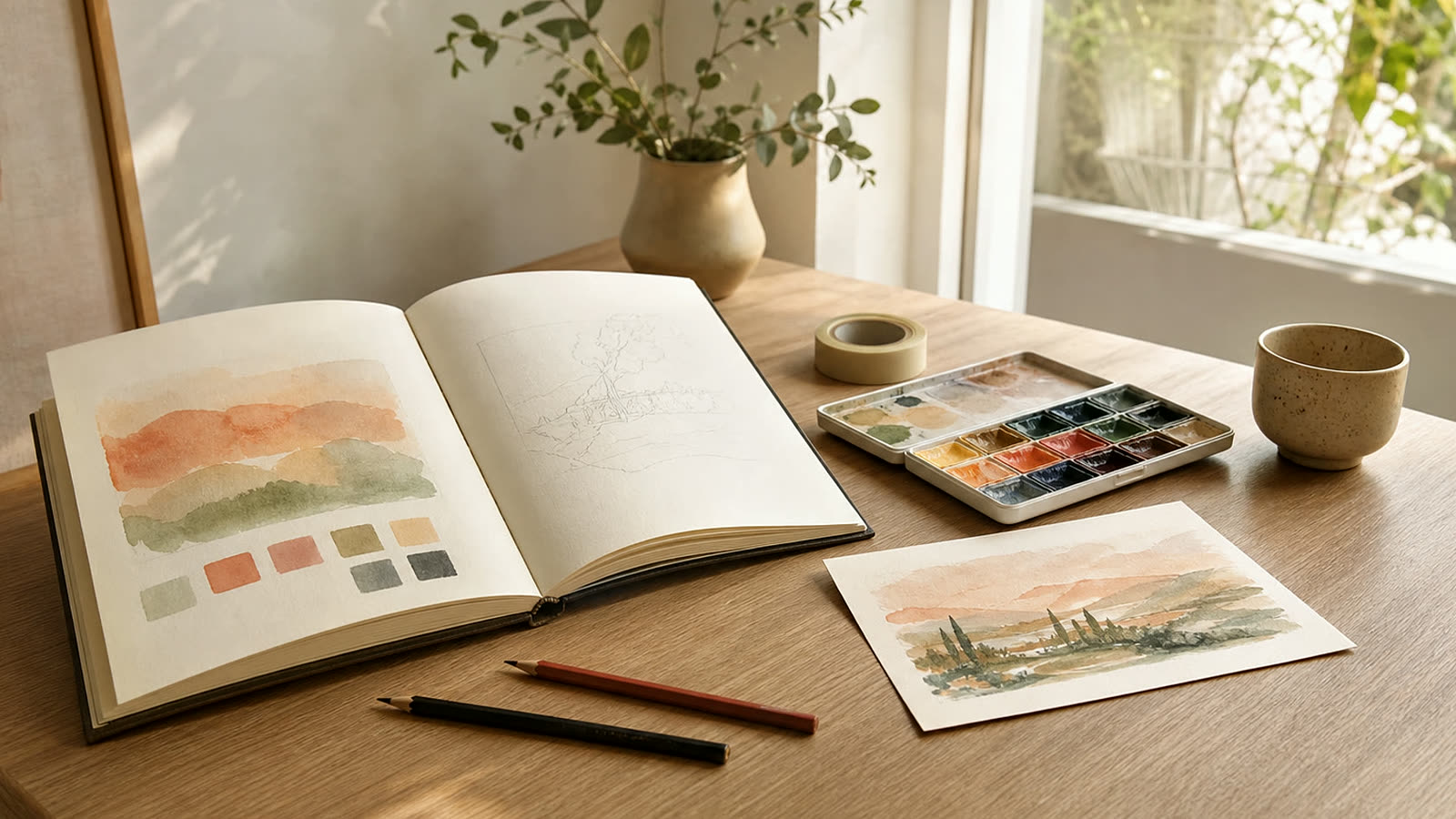 Want to make something visible?Creative Hobbies for AdultsCompare creative starts by medium, cleanup, and first-session payoff.Choose a creative direction
 Need daylight or movement?Outdoor Hobbies for BeginnersCompare safe, nearby outdoor starts before buying gear.Find an outdoor first session
 Have a larger first-session window?Weekend Hobbies for AdultsUse one protected block for a beginner project, outdoor start, or structured class.Choose a weekend test
 Want something useful back?Productive Hobbies for AdultsChoose by outcome, time, energy, setup, and screen.Find a useful hobby
Walking with an observation prompt, one-page journaling, contour sketching, phone photography, origami, and free chess puzzles are easy to test because they can begin in 10 to 20 minutes with things you already own.
Choose the result you want today, then match it to your actual time, energy, setup tolerance, and social comfort. Run one small session and judge the hobby by whether you want a second session, not by whether you were immediately good at it.
Use two small sessions before spending money. The first session tests the activity; the second tests whether restarting it on a normal week still feels appealing.
No. A useful beginner test has a clear action and finish line, not a performance standard. Early awkwardness is information about the learning curve, not proof that the hobby is a bad fit.
Wait until two sessions reveal one specific blocker, such as missing instruction, unsafe improvisation, uncomfortable tools, storage, cleanup, or a material that prevents the next project.
Some product links are Amazon affiliate links. LikeHobby may earn from qualifying purchases at no extra cost to you. The page recommends a free test and a two-session proof before any optional product comparison.
LikeHobby favors hobbies that can produce one real first session with low commitment, a clear stopping point, and an honest way to tell whether repeating makes sense. The list considers setup, safety, cost, cleanup, space, social pressure, learning curve, and whether equipment can wait.
The first test must resemble the actual hobby. Browsing products, saving inspiration, or watching reviews does not count as the session.
A page, route, photo set, puzzle set, stitch row, prepared dish, or completed round makes progress easier to judge.
The hobby earns a product comparison only after the reader repeats it and can name the precise blocker that gear would solve.
Editorial note: the useful part of this guide should still work if you never click a product link. Read the full LikeHobby recommendation methodology.
Use the chooser for a quick shortlist or take the free eight-question quiz when you want a broader match across time, budget, energy, and motivation.