40 easy ideas5–20 minutesStart free
40 Hobby Ideas When Bored: Easy Picks for Adults
Bored right now? Choose how you feel and how long you have. Get one free reset with a clear finish line.

40 easy ideas5–20 minutesStart free
Bored right now? Choose how you feel and how long you have. Get one free reset with a clear finish line.
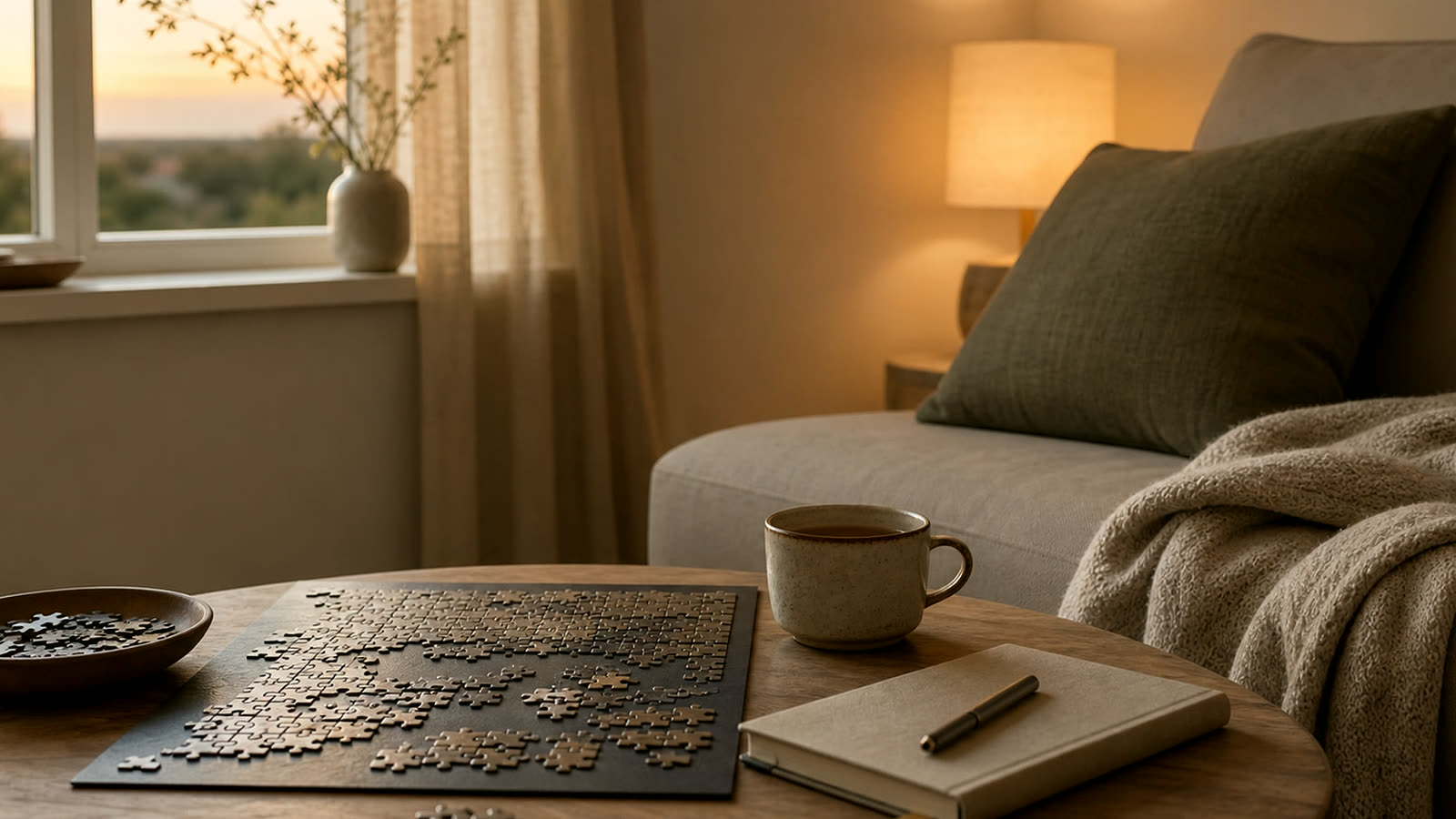
People who feel bored, restless, or stuck in scrolling loops and need something easy enough to begin immediately.
Use your current mood as the filter: restless, tired, lonely, creative, or curious.
Skip long shopping or research sessions if boredom is the problem; choose an action you can begin now.
What this guide covers: this page focuses on boredom-friendly hobby ideas, quick starts, and alternatives to scrolling, so it stays distinct from broader LikeHobby idea lists and related buying guides.
Pick movement first: walk a new block, coffee walk, park sketching, or a short bodyweight stretch before looking for supplies.
Choose a low-energy reset: journaling, puzzle page, tea, plant check, doodling, or one song practice for a single short session.
Move the first step offline with paper, cards, cooking, a book browse, or a quick craft so the hobby does not become more scrolling.
Adult-first rule: choose the version that fits tonight's energy and repeatability, then decide later whether a kit, book, or class would remove real friction.
Match the hobby to the feeling: take a ten-minute walk when restless, journal or solve one puzzle when tired, sketch or fold origami when creative, and choose a board game or shared cooking task when lonely. Start with what you already have; the goal is one finished session, not a new identity.
Every idea below includes a no-buy first session. Compare supplies only after an activity earns a second try.
3 quick choices
Choose time and need. Place is optional; every result starts free.
One Best Match and two alternatives are ready.
Why it fits: It turns one familiar object into a clear, no-buy finish line.
Do nowChoose one mug, look for one minute, draw for eight, then date the page.
Finish lineOne dated sketch with one shape circled to improve next time.
Use these only if the Best Match feels wrong in your hands.
Turn one familiar object into a dated drawing with a visible finish line.
$0 · pencil or pen · no cleanupChoose One-object sketchSolve a bounded set of clues instead of starting an endless app session.
$0 · puzzle already owned or free printoutChoose One puzzle pageMake one useful fold from scrap paper and repeat it once from memory.
$0 · one square of paper · no messChoose Origami corner bookmarkTake one unfamiliar turn and collect five details you usually miss.
$0 · shoes · no equipmentChoose New-block observation walkUse five gentle movements to change your physical state without a workout plan.
$0 · clear floor space · no gearChoose Five-move mobility resetAnswer five fixed prompts so the blank page cannot become another decision.
$0 · scrap paper · one penChoose Five-line boredom journalUse the phone you own to collect one visual theme, then put it away.
$0 · current phone · no editingChoose Phone shape huntLearn one reveal, rehearse it slowly, and perform it once for a person or camera.
$0 · borrowed deck · one clear moveChoose One-card-trick practiceBrew one tea two ways and name the difference instead of buying a new blend.
$0 · tea already owned · light cleanupChoose Two-cup tea comparisonRestore one small surface with a fixed item count, then stop before it becomes a chore.
$0 · one basket or clear surfaceChoose Ten-item room resetEach person writes five clues on one topic, then trade and score them.
$0 · paper · two peopleChoose Five-clue trivia swapCapture one ordinary scene in six lines with a strict stopping point.
$0 · paper or notes app · no setupChoose Six-line mini poemStaying in tonight? Use the 30-second at-home hobby chooser to compare 30 no-buy first sessions by energy, time, space, and supplies.
Step 2 of 3 · run the session
Choosing an idea never counts as starting it. Use the explicit Start button, reach the finish line, and mark Done. Your idea, time, and filter choices stay with the session after a reload.
Use observation, not art supplies, to break the blank-minute loop.
10-minute plan: Choose one mug, observe it for one minute, draw for eight, then date the page.
Finish: One dated sketch with one shape circled to improve.
Repeat signal: You want to redraw the object from a new angle.
Buy only if: two loose-paper sessions prove that keeping pages and line weights together would remove friction.
A bounded clue set gives your attention somewhere finite to land.
10-minute plan: Choose one crossword, sudoku, or word-search page; solve for nine minutes and review one miss.
Finish: One completed page or ten honestly attempted clues.
Repeat signal: You want one more page at the same difficulty.
Buy only if: you have finished the free or borrowed pages and know which puzzle type and difficulty you repeat.
One useful paper object creates a quick craft finish without a kit.
10-minute plan: Cut scrap paper into a square, follow one free corner-bookmark diagram, then repeat the fold from memory.
Finish: One usable bookmark and one memory attempt.
Repeat signal: You want a cleaner fold or a second useful model.
Buy only if: two scrap-paper models prove that square, colorfast paper would improve a fold you already enjoy.
A small route change turns movement into a noticing practice.
20-minute plan: Walk ten minutes out using one unfamiliar safe turn, notice five colors or sounds, then return by the known route.
Finish: A completed out-and-back route and five remembered details.
Repeat signal: A second nearby route sounds interesting rather than obligatory.
No-buy: ordinary walking shoes and a weather-safe route are enough; gear is not the point.
Gentle, controlled movement changes your physical state without becoming a workout program.
5-minute plan: Do one slow minute each of shoulder rolls, side reaches, hip hinges, calf raises, and easy marching.
Finish: Five pain-free movement minutes at conversational effort.
Repeat signal: Your body feels warmer or less stuck and you want the same sequence tomorrow.
No-buy: stop with pain, dizziness, or unusual symptoms; equipment is not required for this reset.
Fixed prompts remove the pressure to fill a blank page.
10-minute plan: Write one line each for what feels dull, what you are avoiding, what you notice, what could feel playful, and one next action.
Finish: Five honest lines and one action small enough for today.
Repeat signal: The same prompts make tomorrow's choice easier.
No-buy: loose paper or a notes app is enough until a consistent writing habit exists.
A strict visual theme turns the phone into a camera, not an infinite feed.
10-minute plan: Put the phone in airplane mode, photograph ten circles or shadows, choose one keeper, and make no edits.
Finish: Ten themed photos, one keeper, and the phone put away.
Repeat signal: Another shape, color, or hour of light sounds worth testing.
No-buy: repeat with the current phone until you can name a specific camera limit the hobby actually exposed.
One rehearsed reveal is a better test than collecting dozens of tutorials.
20-minute plan: Choose one self-working reveal, study it for five minutes, rehearse ten slow times, then perform it once without restarting.
Finish: Ten rehearsals and one uninterrupted performance.
Repeat signal: Smoother handling sounds more satisfying than finding a new trick.
No-buy: borrow or use any standard deck; specialized props hide whether you enjoy practice.
Changing one brew variable makes an ordinary drink into a small experiment.
10-minute plan: Brew the same tea for two and four minutes, taste both plain, then write three flavor words and your preferred time.
Finish: Two cups, three flavor words, and one preferred brew time.
Repeat signal: You want to test one more tea already in the cupboard.
No-buy: use what you own until timing, not novelty, becomes the question you want to explore.
A fixed count creates visible order without turning free time into a cleaning marathon.
10-minute plan: Choose one surface, put away ten items, wipe only that surface, then stop even if the room is unfinished.
Finish: Ten items returned and one usable surface restored.
Repeat signal: Another small zone feels approachable rather than draining.
No-buy: use an existing bag or basket; organizing products come after the recurring friction is known.
Making the questions gives both people a role and a clean stopping point.
10-minute plan: Each person chooses one topic, writes five answerable clues, swaps pages, and scores the round without looking anything up.
Finish: Ten total clues answered and one winning topic named.
Repeat signal: Both people can name a topic for another round.
No-buy: paper and shared knowledge are the game; a boxed set is unnecessary.
A strict line count turns an ordinary scene into a finished object.
5-minute plan: Notice one object, list three sensory details, write six short lines, and underline the strongest one.
Finish: Six lines with one favorite line underlined.
Repeat signal: Another ordinary object starts suggesting words.
No-buy: paper or a notes app is enough; the constraint is the creative tool.
Step 3 of 3 · prove the repeat
One completion proves you tried it. A second completion of the same idea proves enough interest to ask whether one missing item would remove real friction.
Use what you own, reach the finish line, and notice whether the activity changed the bored feeling.
Keep the original idea, time, and filter state so the comparison is honest.
Only then does the page reveal one relevant product—or tell you to keep going for free.
A product is useful only for named friction: missing core material, confusing instruction, storage, or a tool that repeatedly gets in the way.
Complete the same idea twice to unlock a relevant next step. Two different one-off sessions do not qualify.
Disclosure before the paid link: As an Amazon Associate I earn from qualifying purchases. This Amazon.com (US) search is optional, costs you nothing extra, and never changes what LikeHobby recommends.
A small sketchbook, one 2B pencil, eraser, and sharpener solve page storage and line consistency without turning the hobby into a supply collection.
Compare current Amazon options (paid link)Choose the exact puzzle type and difficulty you already completed. A single focused book is more useful than a broad collection you will not open.
Compare current Amazon options (paid link)Look for pre-cut squares in a few visible colors. Skip oversized assortments until you know which models and paper weight you prefer.
Compare current Amazon options (paid link)Keep using what already works. Repeat the same plan with a fresh subject or route, and compare supplies only if a specific problem gets in the way.
Choose another free sessionUse these when you do not want to buy or prepare anything.
A simple movement-based option that changes your environment without requiring a large purchase.
First session: Try Walking for 20 minutes with a free tutorial, borrowed supplies, or what you already have. Add gear only if you still want a second session.
A quiet way to clear your head and create a repeatable routine with almost no setup.
First session: Try Journaling on paper for 20 minutes with a free tutorial, borrowed supplies, or what you already have. Add gear only if you still want a second session.
A flexible body reset that can stay gentle and short.
First session: Try Bodyweight stretching for 20 minutes with a free tutorial, borrowed supplies, or what you already have. Add gear only if you still want a second session.
Reading online-free classics gives the hobby a scheduled first step, which helps if you need outside structure.
First session: Try Reading online-free classics for 20 minutes with a free tutorial, borrowed supplies, or what you already have. Add gear only if you still want a second session.
Room reset is best treated as a small one-session experiment before you buy extra supplies or commit to a routine.
First session: Try Room reset for 20 minutes with a free tutorial, borrowed supplies, or what you already have. Add gear only if you still want a second session.
Helps ordinary places feel new while building observation skill.
First session: Try Photo sorting for 20 minutes with a free tutorial, borrowed supplies, or what you already have. Add gear only if you still want a second session.
Breathing practice is best treated as a small one-session experiment before you buy extra supplies or commit to a routine.
First session: Try Breathing practice for 20 minutes with a free tutorial, borrowed supplies, or what you already have. Add gear only if you still want a second session.
Learning card tricks is best treated as a small one-session experiment before you buy extra supplies or commit to a routine.
First session: Try Learning card tricks for 20 minutes with a free tutorial, borrowed supplies, or what you already have. Add gear only if you still want a second session.
Short sessions can break the boredom loop.
A low-cost creative start where visible progress comes from repetition, not expensive supplies.
First session: Try Sketch one object for 10 minutes with a free tutorial, borrowed supplies, or what you already have. Add gear only if you still want a second session.
Turns an existing daily routine into a more intentional small ritual.
First session: Try Make tea slowly for 10 minutes with a free tutorial, borrowed supplies, or what you already have. Add gear only if you still want a second session.
A structured option for focus, pattern recognition, and satisfying completion.
First session: Try Puzzle page for 10 minutes with a free tutorial, borrowed supplies, or what you already have. Add gear only if you still want a second session.
Origami fold is best treated as a small one-session experiment before you buy extra supplies or commit to a routine.
First session: Try Origami fold for 10 minutes with a free tutorial, borrowed supplies, or what you already have. Add gear only if you still want a second session.
A slow, practical hobby with visible progress and a small care rhythm.
First session: Try Plant check for 10 minutes with a free tutorial, borrowed supplies, or what you already have. Add gear only if you still want a second session.
A structured option for focus, pattern recognition, and satisfying completion.
First session: Try Chess puzzle for 10 minutes with a free tutorial, borrowed supplies, or what you already have. Add gear only if you still want a second session.
One song practice works well when you want visible skill growth in short, repeatable practice sessions.
First session: Try One song practice for 10 minutes with a free tutorial, borrowed supplies, or what you already have. Add gear only if you still want a second session.
Gratitude list is best treated as a small one-session experiment before you buy extra supplies or commit to a routine.
First session: Try Gratitude list for 10 minutes with a free tutorial, borrowed supplies, or what you already have. Add gear only if you still want a second session.
Create something small without judging it.
Doodle sheet is best treated as a small one-session experiment before you buy extra supplies or commit to a routine.
First session: Try Doodle sheet for 20 minutes with a free tutorial, borrowed supplies, or what you already have. Add gear only if you still want a second session.
Watercolor swatches is best treated as a small one-session experiment before you buy extra supplies or commit to a routine.
First session: Try Watercolor swatches for 20 minutes with a free tutorial, borrowed supplies, or what you already have. Add gear only if you still want a second session.
Collage page is best treated as a small one-session experiment before you buy extra supplies or commit to a routine.
First session: Try Collage page for 20 minutes with a free tutorial, borrowed supplies, or what you already have. Add gear only if you still want a second session.
Helps ordinary places feel new while building observation skill.
First session: Try Phone photo challenge for 20 minutes with a free tutorial, borrowed supplies, or what you already have. Add gear only if you still want a second session.
Calligraphy word is best treated as a small one-session experiment before you buy extra supplies or commit to a routine.
First session: Try Calligraphy word for 20 minutes with a free tutorial, borrowed supplies, or what you already have. Add gear only if you still want a second session.
Recipe note card turns everyday food routines into a practical hobby with a clear end result.
First session: Try Recipe note card for 20 minutes with a free tutorial, borrowed supplies, or what you already have. Add gear only if you still want a second session.
Mini poem is best treated as a small one-session experiment before you buy extra supplies or commit to a routine.
First session: Try Mini poem for 20 minutes with a free tutorial, borrowed supplies, or what you already have. Add gear only if you still want a second session.
Color palette hunt is best treated as a small one-session experiment before you buy extra supplies or commit to a routine.
First session: Try Color palette hunt for 20 minutes with a free tutorial, borrowed supplies, or what you already have. Add gear only if you still want a second session.
A change of place often fixes the stuck feeling.
A simple movement-based option that changes your environment without requiring a large purchase.
First session: Try Walk a new block for 20 minutes with a free tutorial, borrowed supplies, or what you already have. Add gear only if you still want a second session.
Birdwatching is best treated as a small one-session experiment before you buy extra supplies or commit to a routine.
First session: Try Birdwatching for 20 minutes with a free tutorial, borrowed supplies, or what you already have. Add gear only if you still want a second session.
A low-cost creative start where visible progress comes from repetition, not expensive supplies.
First session: Try Park sketching for 20 minutes with a free tutorial, borrowed supplies, or what you already have. Add gear only if you still want a second session.
Helps ordinary places feel new while building observation skill.
First session: Try Nature photography for 20 minutes with a free tutorial, borrowed supplies, or what you already have. Add gear only if you still want a second session.
Stargazing is best treated as a small one-session experiment before you buy extra supplies or commit to a routine.
First session: Try Stargazing for 20 minutes with a free tutorial, borrowed supplies, or what you already have. Add gear only if you still want a second session.
A slow, practical hobby with visible progress and a small care rhythm.
First session: Try Garden watering for 20 minutes with a free tutorial, borrowed supplies, or what you already have. Add gear only if you still want a second session.
A simple movement-based option that changes your environment without requiring a large purchase.
First session: Try Coffee walk for 20 minutes with a free tutorial, borrowed supplies, or what you already have. Add gear only if you still want a second session.
Local landmark visit is best treated as a small one-session experiment before you buy extra supplies or commit to a routine.
First session: Try Local landmark visit for 20 minutes with a free tutorial, borrowed supplies, or what you already have. Add gear only if you still want a second session.
If boredom feels lonely, choose a shared activity.
Good for replay value, light structure, and shared time with friends or family.
First session: Try Board game for 20 minutes with a free tutorial, borrowed supplies, or what you already have. Add gear only if you still want a second session.
Trivia night is best treated as a small one-session experiment before you buy extra supplies or commit to a routine.
First session: Try Trivia night for 20 minutes with a free tutorial, borrowed supplies, or what you already have. Add gear only if you still want a second session.
Bookstore browse is a low-friction way to slow down and build a repeatable quiet routine.
First session: Try Bookstore browse for 20 minutes with a free tutorial, borrowed supplies, or what you already have. Add gear only if you still want a second session.
Cooking with a friend turns everyday food routines into a practical hobby with a clear end result.
First session: Try Cooking with a friend for 20 minutes with a free tutorial, borrowed supplies, or what you already have. Add gear only if you still want a second session.
Pickleball is best treated as a small one-session experiment before you buy extra supplies or commit to a routine.
First session: Try Pickleball for 20 minutes with a free tutorial, borrowed supplies, or what you already have. Add gear only if you still want a second session.
Group class gives the hobby a scheduled first step, which helps if you need outside structure.
First session: Try Group class for 20 minutes with a free tutorial, borrowed supplies, or what you already have. Add gear only if you still want a second session.
Turns an existing daily routine into a more intentional small ritual.
First session: Try Coffee tasting for 20 minutes with a free tutorial, borrowed supplies, or what you already have. Add gear only if you still want a second session.
A structured option for focus, pattern recognition, and satisfying completion.
First session: Try Puzzle swap for 20 minutes with a free tutorial, borrowed supplies, or what you already have. Add gear only if you still want a second session.
Choose a hobby with a fast start: take a short walk if restless, journal or solve a puzzle if tired, sketch or fold origami if creative, or play a game if you want company.
The first version may be too large or slow to reward you. Choose a 10- to 20-minute session with a clear finish, then repeat it before buying gear or committing to a course.
Put one physical activity within reach, such as a book, puzzle, sketchbook, plant, tea setup, deck of cards, or walking shoes, and use it for ten minutes.
Use these next if you want a more specific starter path.
 Phone down nowThings to Do Instead of ScrollingChoose a 5-, 10-, or 20-minute replacement by energy and need.
 RelatedFun Hobbies for AdultsA practical list of fun hobbies for adults, organized by energy level, social mood, time, and first-session friction.
 RelatedHobbies to Do After WorkEasy hobbies to do after work, organized by energy level, time available, and whether you want to be alone or social.RelatedScreen-free Hobbies for AdultsScreen-free hobbies for adults who want offline relaxation, creative focus, and simple activities away from phones and laptops.
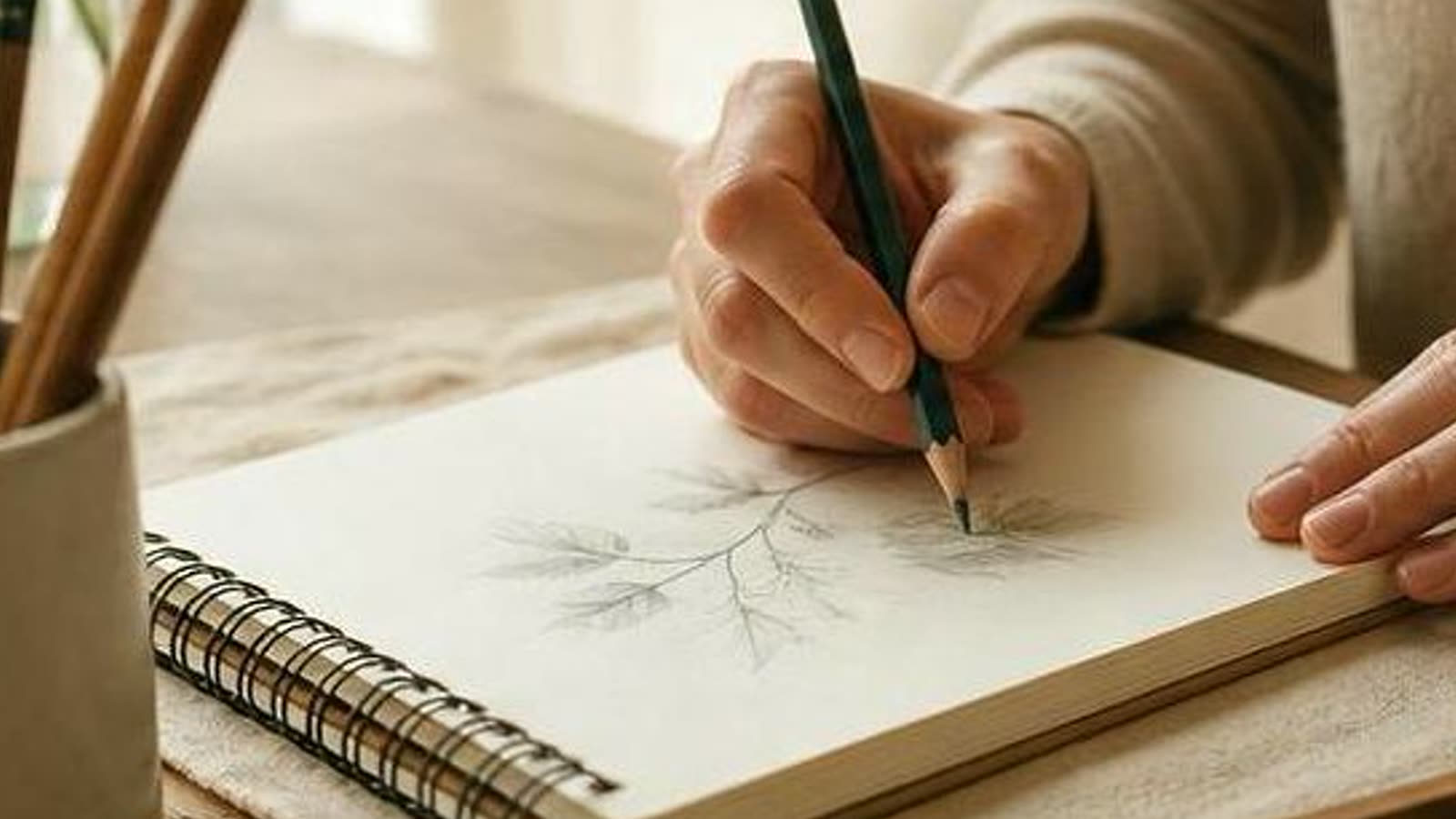 RelatedBest Hobbies for BeginnersSimple first-session ideas.
If this page is close but not quite the right fit, use these adjacent guides to compare time, energy, budget, and starter-gear intent before choosing what to try.
Keep the choice playfulFun Hobbies for AdultsFun hobbies for adults organized by energy, time, social mood, and first-session friction so free time feels playful again.Open related guide 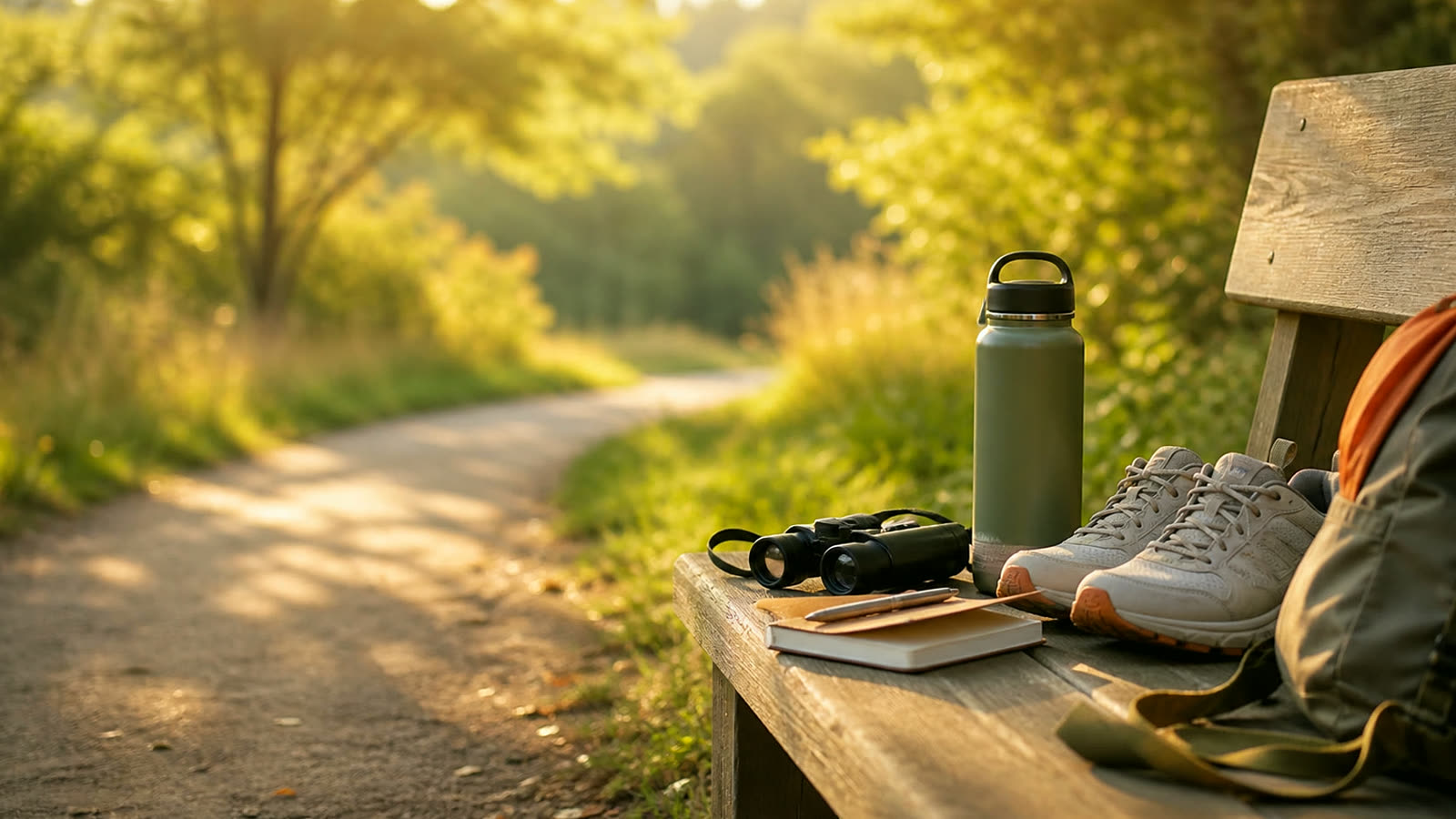 Need a real plan for Saturday?Weekend Hobbies for AdultsTurn an empty block into one outdoor, social, creative, useful, or restorative session.Pick a weekend planCompare easy first-session ideasBest Hobbies for BeginnersBeginner-friendly hobby ideas organized by low friction, simple first sessions, cost, energy level, and whether you want solo...Open related guide
  Keep the first step low-costCheap Hobbies Under $50Cheap hobbies under $50 for adults who want creative, calm, outdoor, social, or useful hobbies with a low-risk first purchase.Open related guide Move the hobby offlineScreen-free Hobbies for AdultsScreen-free hobbies for adults who want offline relaxation, creative focus, better evenings, and simple activities away from...Open related guide
 Bored but not in the mood for noise or networking? filter quiet hobbies by social battery, energy, and setting.
This guide is organized around practical beginner fit, not a shopping list. LikeHobby looks at setup time, cost, space, cleanup, energy level, social pressure, safety, and whether a reader can finish one real boredom-breaking session before buying more.
Choose the smallest version that gives you a real attempt: one short practice, one walk, one project, one recipe, one page, or one repeatable routine.
A hobby is a better fit when you can restart it on a normal week without special motivation, extra space, or a complicated setup ritual.
Gear should solve a specific blocker such as comfort, safety, storage, cleanup, instruction, or consistency. If it only makes the idea look more exciting, wait.
Editorial note: some LikeHobby pages include Amazon affiliate links, but the recommendation standard is still no-buy first. The useful part should be the decision framework even if you never click a product link.
The free quiz returns three explainable matches and a no-buy 20-minute first session, based on your time, budget, energy, setting, and motivation.