- Starter cost
- $25–$100
- First session
- 30–60 min
- Best for
- Most days
Explore hobbies
that fit your life.
Search our hobby atlas to find ideas that match your time, budget, space, energy, and social style.
Recommended hobbies
59 hobbies
59 hobbies are ready to explore.
- Starter cost
- Free
- First session
- 10–20 min
- Best for
- Most days
- Starter cost
- Free
- First session
- 30–60 min
- Best for
- Active days
- Starter cost
- Free
- First session
- 10–20 min
- Best for
- Low energy
A clearer way to choose
From possibility
to proof.
All 59 paths are open. Add one real-life limit to make the next step smaller.
59 real hobby pathsSearch across interests, settings, and real-life constraints.
Honest, practical adviceStart simple, spend carefully, and build confidence from day one.
For real lifeFilter by the time, space, budget, energy, and company you have.
Save & revisitKeep ideas in this browser and return when you are ready.
Explore by real-life need
Start with the question you already have.
Not sure what hobby fits?Build three tiny no-buy trials for the next seven days.
Hobbies for beginnersEasy starts when you are learning from zero.
Hobbies to do at homeIdeas by room, energy, time, and cleanup.
Weekend hobbiesUse one protected block of time well.
Productive hobbies for adultsChoose one useful result by time, energy, setup, and screen use.
Hobbies that can make moneyTest one sample, real demand, and costs before buying tools or inventory.
Screen-free hobbiesReplace scrolling with a tactile first session.
Hobbies for introvertsChoose by social battery, energy, and setting.
Low-cost hobbiesTry something meaningful without overbuying.
Things to do instead of scrollingBuild a short offline menu for tired moments.
Outdoor hobbiesBeginner-friendly ideas for fresh air and movement.
Starter-kit guidesBuy only when equipment removes a real blocker.
More exact-fit paths
Start with the constraint that already feels true.
Each guide gives you three explainable matches and a no-buy first session.
Solo hobbies for adultsMatch 30 ideas to your time, setting, and desired payoff.
Active hobbies for adultsChoose movement by session length, effort, and usable place.
Hobby essentials for beginnersSeparate one true starting need from the extras that can wait.
Hobbies for men at homeChoose by tonight's time, usable space, and the payoff you want.
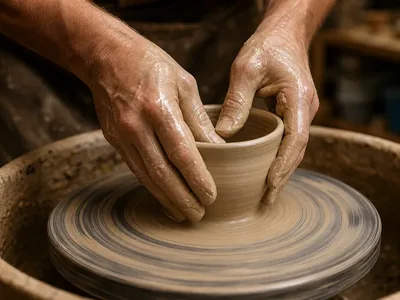
Make · Clay craft
Pottery
Your first session
Try before you buy
Questions will appear here.
Personal matches3 clear paths
Your 3 best hobby paths
Start with one free or low-cost session. Compare gear only if you want session two.