40 senior hobbiesEasy ways to learnComfort-first startsUpdated 2026-07-19
40 Easy Hobbies for Seniors to Learn: At Home, Creative, and Social Ideas
Looking for a new hobby later in life? Compare 40 beginner-friendly ideas by energy, mobility, cost, and social comfort, plus easy places to learn online or locally. Every option includes a 20-minute, no-buy first step.
Beginner-friendlyLow-friction startsQuiz-first recommendationsAffiliate links disclosed where used
Field note: Senior-friendly hobby table with gentle movement, gardening, painting, cards, reading, and social activity ideas.
Who this guide is best for
Best fit
Older adults or retirees looking for gentle, meaningful, social, creative, or mentally engaging activities.
First-session test
Start with a comfortable 20- to 30-minute session and choose options that can be adjusted for mobility, space, and energy.
Do not overbuy
Skip hobbies that require awkward setup, unsafe movement, or expensive equipment before comfort is clear.
What this guide covers: this page focuses on senior hobbies, retirement routines, gentle movement, and creative social activities, so it stays distinct from broader LikeHobby idea lists and related buying guides.
Quick answer
The easiest senior hobbies have a small first step and flexible pacing: reading, container gardening, puzzles, journaling, birdwatching, simple crafts, walking, or a casual class.
Try one option free for 20 minutes. Use the optional buying section only after the hobby earns a second session.
Start before you shop
Choose one easy first session
Pick the path that matches today's energy, space, and social comfort. Each action is specific, takes about 20 minutes, and uses a free resource or something you already own.
Live guidance
Find one beginner class
Compare the live-help options below, choose one topic, and save one class that fits a normal week. Check access and cost before registering.
Use scrap fabric, one needle, and thread you already have or can borrow. Follow one free running-stitch example, make ten stitches, and stop when the timer ends.
Use a puzzle book you own or borrow one from a library. Finish one clearly bounded page for 20 minutes, then note whether the print and binding felt comfortable.
Use an herb or houseplant you already have, can borrow, or can observe locally. Check its light and soil, make one small care note, and buy nothing yet.
A first-session click records which path helped; it does not collect names, health details, free text, or account information. If an activity involves movement, water, heat, or sharp tools, use your normal safety limits and qualified local guidance.
Current learning routes
5 easy platforms and local places for seniors to learn a new hobby
The best learning option matches your pace, comfort with technology, budget, and need for live help. These links go to current official resource pages, not paid recommendations.
Local noncredit courses and a repeatable learning community connected with colleges and universities.
Membership, tuition, schedules, and formats vary by institute.
Local instructors and peers; online options vary.
Use the directory to find the nearest institute.
Public library or community center
Nearby workshops, book clubs, borrowable tools, and help choosing accessible local activities.
Often free or low-cost; availability varies by location.
Ask a librarian or program coordinator what is included.
Open the current events calendar or call before visiting.
Checked July 19, 2026. Schedules, eligibility, pricing, and accessibility change, so confirm the current details on the provider's site. These are non-affiliate learning resources. Not sure which hobby to learn? Take the 8-question hobby quiz to filter ideas by time, budget, energy, space, and social preference.
Gentle movement
Movement hobbies should match comfort and ability.
01
Walking
A simple movement-based option that changes your environment without requiring a large purchase.
First session: Try Walking for 20 minutes with a free tutorial, borrowed supplies, or what you already have. Add gear only if you still want a second session.
02
Chair yoga
A flexible body reset that can stay gentle and short.
First session: Try Chair yoga for 20 minutes with a free tutorial, borrowed supplies, or what you already have. Add gear only if you still want a second session.
03
Tai chi
Tai chi is best treated as a small one-session experiment before you buy extra supplies or commit to a routine.
First session: Try Tai chi for 20 minutes with a free tutorial, borrowed supplies, or what you already have. Add gear only if you still want a second session.
04
Swimming
Swimming is best treated as a small one-session experiment before you buy extra supplies or commit to a routine.
First session: Try Swimming for 20 minutes with a free tutorial, borrowed supplies, or what you already have. Add gear only if you still want a second session.
05
Gardening
A slow, practical hobby with visible progress and a small care rhythm.
First session: Try Gardening for 20 minutes with a free tutorial, borrowed supplies, or what you already have. Add gear only if you still want a second session.
06
Light stretching
A flexible body reset that can stay gentle and short.
First session: Try Light stretching for 20 minutes with a free tutorial, borrowed supplies, or what you already have. Add gear only if you still want a second session.
07
Pickleball basics
Pickleball basics is best treated as a small one-session experiment before you buy extra supplies or commit to a routine.
First session: Try Pickleball basics for 20 minutes with a free tutorial, borrowed supplies, or what you already have. Add gear only if you still want a second session.
08
Nature walks
A simple movement-based option that changes your environment without requiring a large purchase.
First session: Try Nature walks for 20 minutes with a free tutorial, borrowed supplies, or what you already have. Add gear only if you still want a second session.
Creative hobbies
Creative work can be calm, practical, and easy to scale.
01
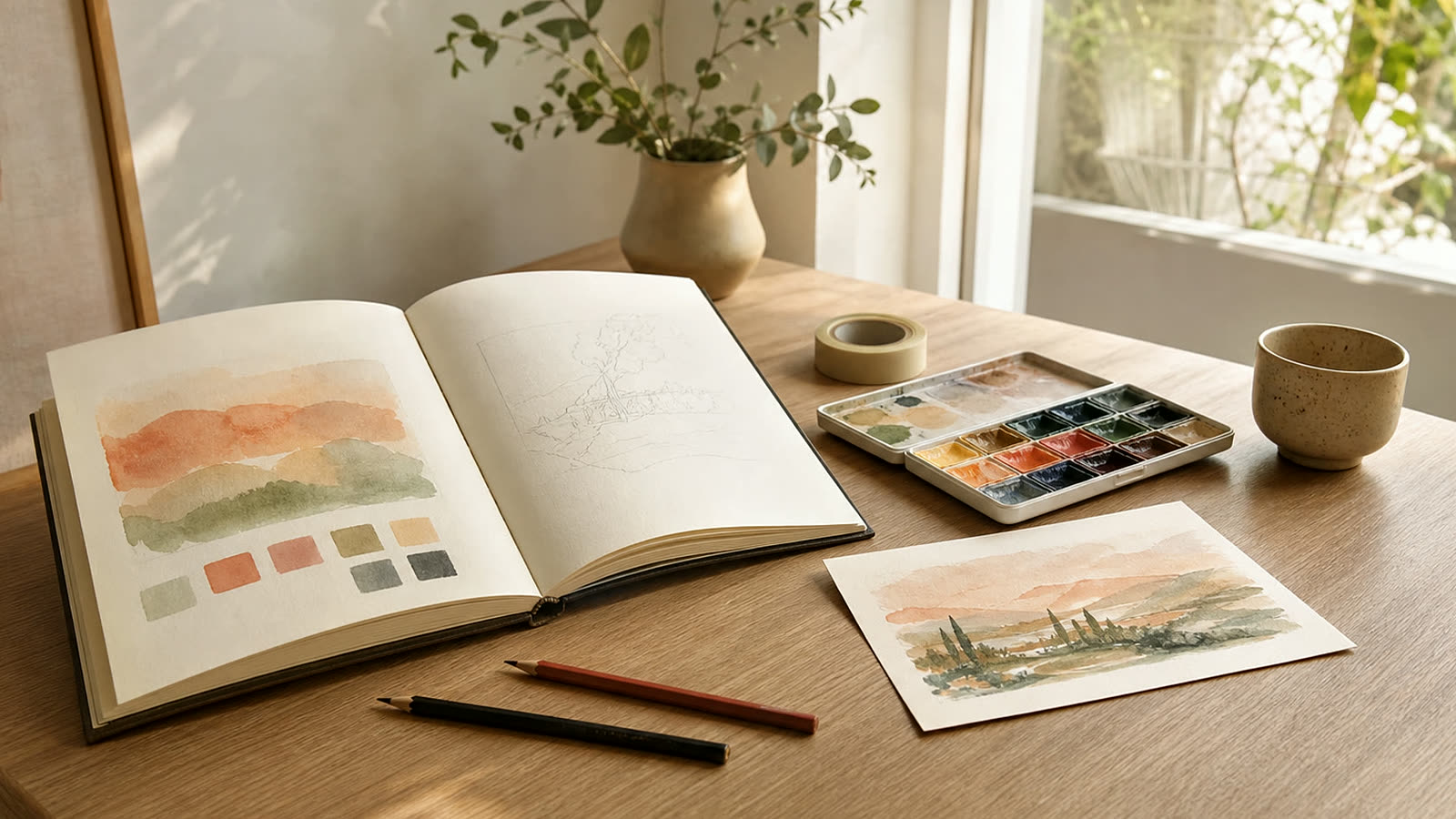
Watercolor
Watercolor is best treated as a small one-session experiment before you buy extra supplies or commit to a routine.
First session: Try Watercolor for 20 minutes with a free tutorial, borrowed supplies, or what you already have. Add gear only if you still want a second session.
02
Knitting
Knitting is best treated as a small one-session experiment before you buy extra supplies or commit to a routine.
First session: Try Knitting for 20 minutes with a free tutorial, borrowed supplies, or what you already have. Add gear only if you still want a second session.
03
Crochet
Crochet is best treated as a small one-session experiment before you buy extra supplies or commit to a routine.
First session: Try Crochet for 20 minutes with a free tutorial, borrowed supplies, or what you already have. Add gear only if you still want a second session.
04
Wood carving basics
Wood carving basics is useful because the hobby leaves your home or tools in better shape than before.
First session: Try Wood carving basics for 20 minutes with a free tutorial, borrowed supplies, or what you already have. Add gear only if you still want a second session.
05
Calligraphy
Calligraphy is best treated as a small one-session experiment before you buy extra supplies or commit to a routine.
First session: Try Calligraphy for 20 minutes with a free tutorial, borrowed supplies, or what you already have. Add gear only if you still want a second session.
06
Scrapbooking
Scrapbooking is a low-friction way to slow down and build a repeatable quiet routine.
First session: Try Scrapbooking for 20 minutes with a free tutorial, borrowed supplies, or what you already have. Add gear only if you still want a second session.
07
Photography
Helps ordinary places feel new while building observation skill.
First session: Try Photography for 20 minutes with a free tutorial, borrowed supplies, or what you already have. Add gear only if you still want a second session.
08
Embroidery
Embroidery is best treated as a small one-session experiment before you buy extra supplies or commit to a routine.
First session: Try Embroidery for 20 minutes with a free tutorial, borrowed supplies, or what you already have. Add gear only if you still want a second session.
Social hobbies
Shared hobbies can add structure without feeling too formal.
01
Book club
Book club is a low-friction way to slow down and build a repeatable quiet routine.
First session: Try Book club for 20 minutes with a free tutorial, borrowed supplies, or what you already have. Add gear only if you still want a second session.
02
Board games
Good for replay value, light structure, and shared time with friends or family.
First session: Try Board games for 20 minutes with a free tutorial, borrowed supplies, or what you already have. Add gear only if you still want a second session.
03
Community gardening
A slow, practical hobby with visible progress and a small care rhythm.
First session: Try Community gardening for 20 minutes with a free tutorial, borrowed supplies, or what you already have. Add gear only if you still want a second session.
04
Cooking group
Cooking group turns everyday food routines into a practical hobby with a clear end result.
First session: Try Cooking group for 20 minutes with a free tutorial, borrowed supplies, or what you already have. Add gear only if you still want a second session.
05
Birdwatching group
Birdwatching group is best treated as a small one-session experiment before you buy extra supplies or commit to a routine.
First session: Try Birdwatching group for 20 minutes with a free tutorial, borrowed supplies, or what you already have. Add gear only if you still want a second session.
06
Choir
Choir is best treated as a small one-session experiment before you buy extra supplies or commit to a routine.
First session: Try Choir for 20 minutes with a free tutorial, borrowed supplies, or what you already have. Add gear only if you still want a second session.
07
Craft class
Craft class gives the hobby a scheduled first step, which helps if you need outside structure.
First session: Try Craft class for 20 minutes with a free tutorial, borrowed supplies, or what you already have. Add gear only if you still want a second session.
08
Volunteer projects
Volunteer projects is best treated as a small one-session experiment before you buy extra supplies or commit to a routine.
First session: Try Volunteer projects for 20 minutes with a free tutorial, borrowed supplies, or what you already have. Add gear only if you still want a second session.
At-home hobbies
Good for quiet days and flexible schedules.
01
Reading
Reading is a low-friction way to slow down and build a repeatable quiet routine.
First session: Try Reading for 20 minutes with a free tutorial, borrowed supplies, or what you already have. Add gear only if you still want a second session.
02
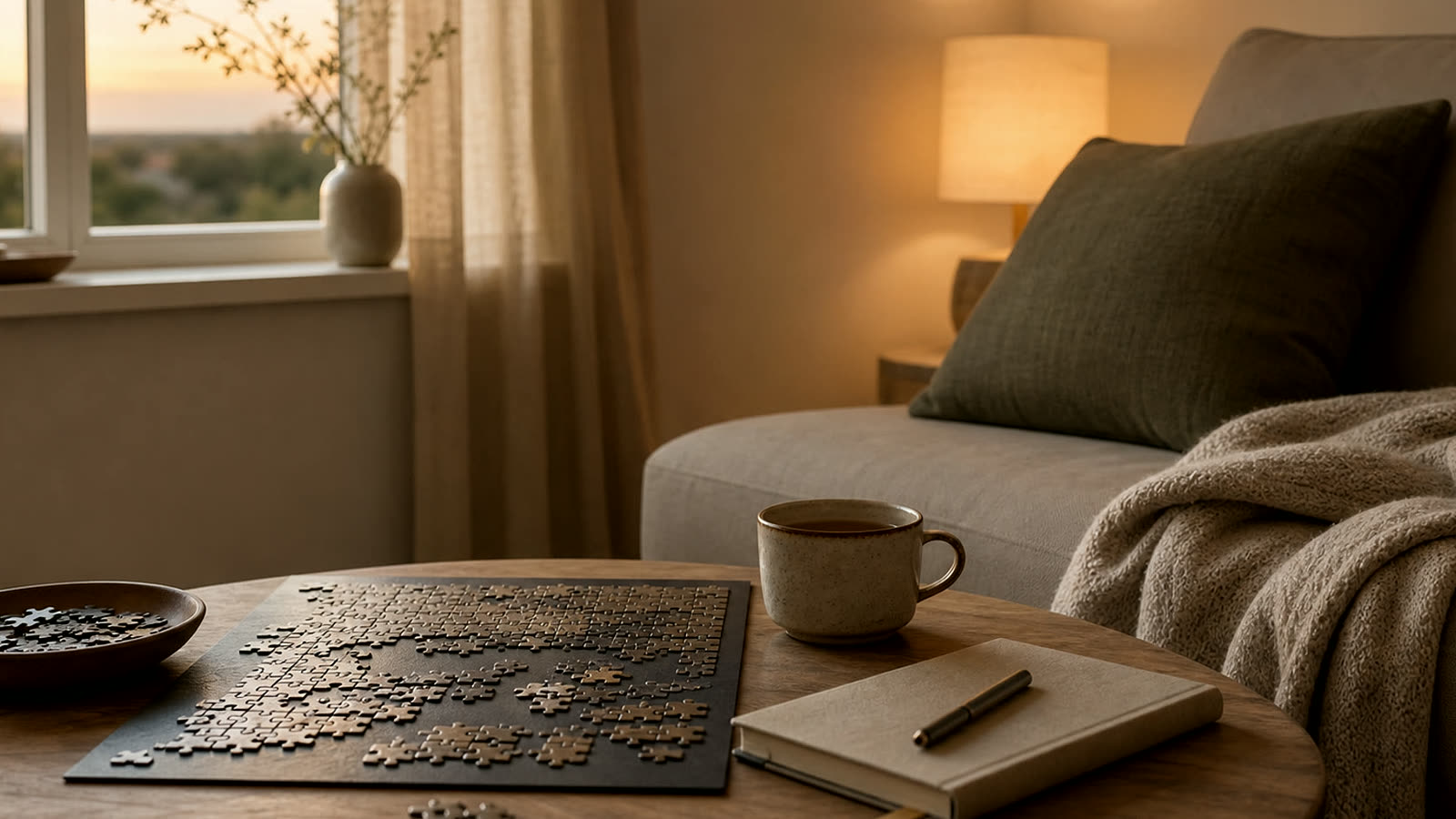
Puzzles
A structured option for focus, pattern recognition, and satisfying completion.
First session: Try Puzzles for 20 minutes with a free tutorial, borrowed supplies, or what you already have. Add gear only if you still want a second session.
03
Journaling
A quiet way to clear your head and create a repeatable routine with almost no setup.
First session: Try Journaling for 20 minutes with a free tutorial, borrowed supplies, or what you already have. Add gear only if you still want a second session.
04
Plant care
A slow, practical hobby with visible progress and a small care rhythm.
First session: Try Plant care for 20 minutes with a free tutorial, borrowed supplies, or what you already have. Add gear only if you still want a second session.
05
Baking
Baking turns everyday food routines into a practical hobby with a clear end result.
First session: Try Baking for 20 minutes with a free tutorial, borrowed supplies, or what you already have. Add gear only if you still want a second session.
06
Card games
Good for replay value, light structure, and shared time with friends or family.
First session: Try Card games for 20 minutes with a free tutorial, borrowed supplies, or what you already have. Add gear only if you still want a second session.
07
Tea ritual
Turns an existing daily routine into a more intentional small ritual.
First session: Try Tea ritual for 20 minutes with a free tutorial, borrowed supplies, or what you already have. Add gear only if you still want a second session.
08
Family photo sorting
Helps ordinary places feel new while building observation skill.
First session: Try Family photo sorting for 20 minutes with a free tutorial, borrowed supplies, or what you already have. Add gear only if you still want a second session.
Nature hobbies
Nature hobbies can be gentle and rewarding.
01
Birdwatching
Birdwatching is best treated as a small one-session experiment before you buy extra supplies or commit to a routine.
First session: Try Birdwatching for 20 minutes with a free tutorial, borrowed supplies, or what you already have. Add gear only if you still want a second session.
02
Container gardening
A slow, practical hobby with visible progress and a small care rhythm.
First session: Try Container gardening for 20 minutes with a free tutorial, borrowed supplies, or what you already have. Add gear only if you still want a second session.
03
Stargazing
Stargazing is best treated as a small one-session experiment before you buy extra supplies or commit to a routine.
First session: Try Stargazing for 20 minutes with a free tutorial, borrowed supplies, or what you already have. Add gear only if you still want a second session.
04
Walking photography
A simple movement-based option that changes your environment without requiring a large purchase.
First session: Try Walking photography for 20 minutes with a free tutorial, borrowed supplies, or what you already have. Add gear only if you still want a second session.
05
Herb gardening
A slow, practical hobby with visible progress and a small care rhythm.
First session: Try Herb gardening for 20 minutes with a free tutorial, borrowed supplies, or what you already have. Add gear only if you still want a second session.
06
Nature journaling
A quiet way to clear your head and create a repeatable routine with almost no setup.
First session: Try Nature journaling for 20 minutes with a free tutorial, borrowed supplies, or what you already have. Add gear only if you still want a second session.
07
Butterfly watching
Butterfly watching is best treated as a small one-session experiment before you buy extra supplies or commit to a routine.
First session: Try Butterfly watching for 20 minutes with a free tutorial, borrowed supplies, or what you already have. Add gear only if you still want a second session.
08
Park sketching
A low-cost creative start where visible progress comes from repetition, not expensive supplies.
First session: Try Park sketching for 20 minutes with a free tutorial, borrowed supplies, or what you already have. Add gear only if you still want a second session.
Two ordinary sessions before equipment
Prove one hobby fits before opening a product
Choose one no-buy first session above to begin.
Disclosure: As an Amazon Associate I earn from qualifying purchases. The single button below is a paid Amazon comparison link matched to the blocker you selected. Paid links never change what LikeHobby recommends, and using them costs you nothing extra.
Beginner embroidery kit with a clear first pattern
Use this only when the same embroidery sampler earned two sessions and unclear instructions were the repeated blocker. Look for one small preprinted design, readable steps, a hoop, thread, and needles. Read the kit checklist.
Use this only when the same puzzle-page trial earned two sessions and readability was the repeated blocker. Check a sample for print size, answer-key readability, binding, and puzzle variety before buying.
Use this only when the same herb-care check earned two sessions and weak indoor light was the repeated blocker. Match the system to real reach, watering comfort, counter space, electricity, and refill cost. Read the light-and-space checklist.
What are the easiest hobbies for seniors to learn?
Reading, walking, container gardening, puzzles, journaling, birdwatching, simple crafts, and small-group activities are easy to scale by energy, mobility, space, and budget.
Where can seniors learn a new hobby online?
Senior Planet from AARP and the AARP online event finder list current classes and events. GetSetUp may also be available through a participating health plan, government, community, or employer, while public libraries may provide free learning portals and local workshops.
What is a low-cost hobby for retirees?
Walking, library reading, journaling, plant cuttings, puzzles, phone photography, and community groups can all start with little or no new equipment.
Should seniors choose social or solo hobbies?
Either can work. Choose solo time for flexible pacing, social options for scheduled connection, or one of each if energy and mobility vary during the week.
Related guides
Use these next if you want a more specific starter path.
If this page is close but not quite the right fit, use these adjacent guides to compare time, energy, budget, and starter-gear intent before choosing what to try.
How LikeHobby narrowed these 40 easy hobbies for seniors
This guide is organized around practical fit, not age stereotypes or a shopping list. We look at setup time, cost, space, cleanup, energy, mobility, social pressure, safety, and whether a reader can finish one real first session before buying more.
01
Start with one session
Choose the smallest version that gives you a real attempt: one short practice, one walk, one project, one recipe, one page, or one repeatable routine.
02
Check repeatability
A hobby is a better fit when you can restart it on a normal week without special motivation, extra space, or a complicated setup ritual.
03
Buy only for friction
Gear should solve a specific blocker such as comfort, safety, storage, cleanup, instruction, or consistency. If it only makes the idea look more exciting, wait.
Editorial note: some LikeHobby pages include Amazon affiliate links, but the recommendation standard is still no-buy first. The useful part should be the decision framework even if you never click a product link.
Find your best-fit hobby first.
The free quiz returns three explainable matches and a no-buy 20-minute first session, based on your time, budget, energy, setting, and motivation.