30 at-home ideasFree 20-minute startsUpdated 2026-09-07
30 Hobbies to Do at Home—Pick One for Tonight
Pick by energy and the result you want. Every match starts with a free 20-minute plan using supplies you already own.

30 at-home ideasFree 20-minute startsUpdated 2026-09-07
Pick by energy and the result you want. Every match starts with a free 20-minute plan using supplies you already own.
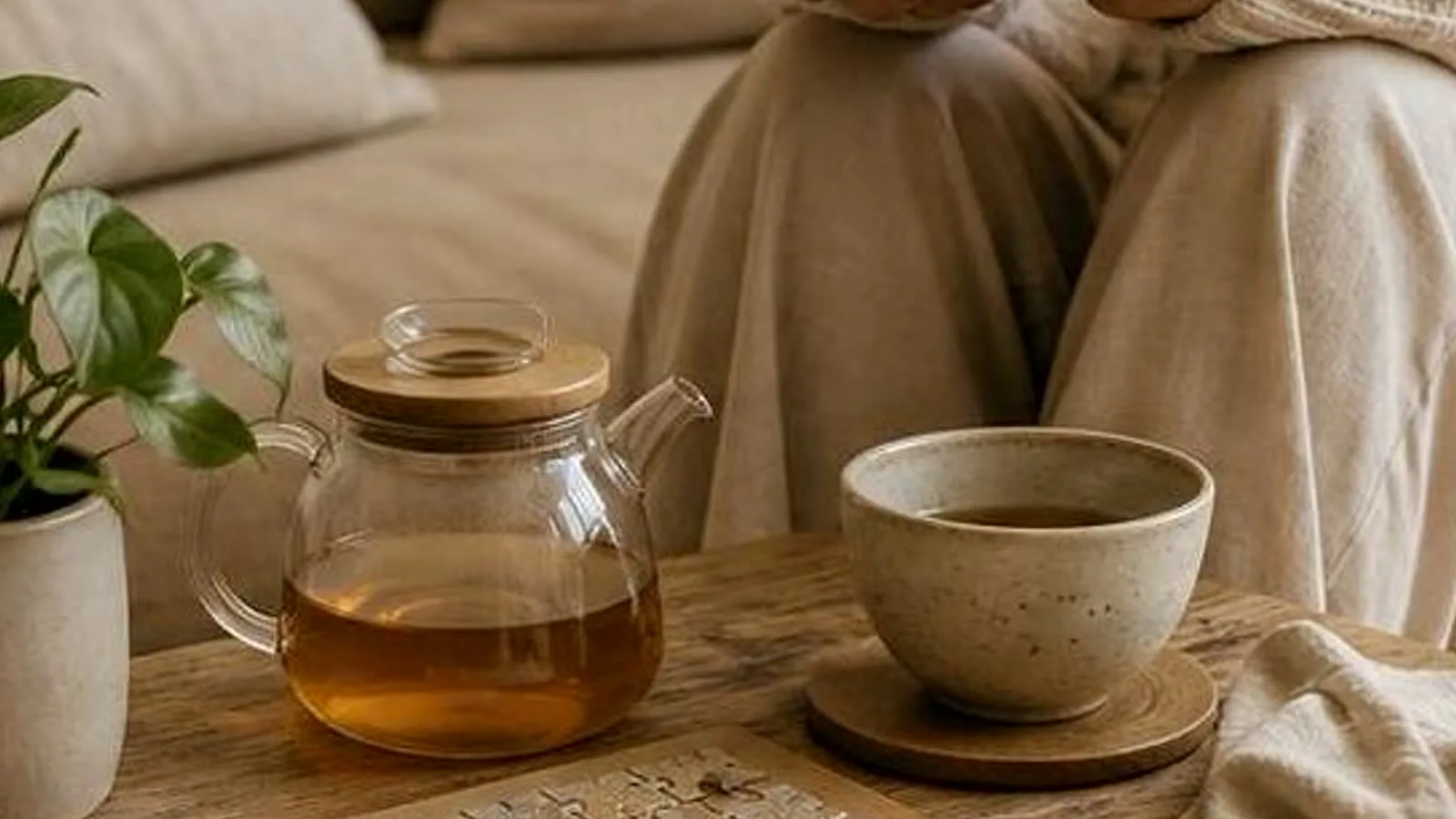
The short answer
The best hobbies to do at home are easy to start with what you already own and simple to stop after 20 minutes. For tonight, choose journaling for low energy, origami for screen-free focus, sketching for creativity, cooking for usefulness, or a paper game for company.
| Need tonight | Best hobby | First session | Time | Cost | Space / cleanup |
|---|---|---|---|---|---|
| Low energy | Five-line evening journal | Answer five fixed prompts, then stop. | 20 min | $0 | Desk · none |
| Screen-free | Origami bookmark | Fold one scrap-paper model twice. | 20 min | $0 | Desk · none |
| Creative focus | One-object sketch | Draw one mug under one lamp and date it. | 20 min | $0 | Desk · none |
| Useful result | One-skill vinaigrette | Mix, taste, and adjust one simple ratio. | 20 min | $0–3 | Kitchen · light |
| Hands-on calm | Three-stitch sampler | Sew three stitch lines on scrap fabric. | 20 min | $0–3 | Desk · light |
| Restless body | Four-move mobility break | Complete one comfortable four-move round. | 20 min | $0 | Shared room · none |
| With someone | Two-player paper game | Draw three grids and play one round. | 20 min | $0 | Table · none |
| Tiny apartment | Window-light photography | Shoot 12 angles and keep one frame. | 20 min | $0 | Window · none |
No-buy rule: finish one 20-minute session with supplies you already own or can borrow. Compare starter gear only after the same hobby earns a second session and one repeated blocker.
Updated . Read the selection method.
Time, cost, room, cleanup, noise, energy, and a visible finish line—not trendiness.
We use official beginner and safety sources where relevant; product availability and fit still require your own check.
The chooser ranks a curated 12-trial shortlist; the full 30-idea guide below adds more specific free or low-cost tests, cleanup levels, results, and buy/skip triggers. If the phone is the immediate problem, use the separate at-home scrolling replacement guide.
Adults who want something realistic for tonight and need the hobby to fit a normal room, existing schedule, and current energy.
Choose by space, cleanup, noise, light, and desired result. Finish one bounded 20-minute attempt with what you already own.
At-home readiness, room fit, noise, and cleanup. If home is already decided and the real constraint is the work-to-evening transition, plan an after-work hobby by time and energy.
The recommendation order is intentional: choose a fit, try it free, decide whether you want session two, then compare the minimum setup. Shopping is never the first step.
Choose the limits that matter. The chooser ranks 12 low-friction no-buy trials, shows one strongest fit or honest compromise, and keeps only two alternatives in view. Browse all 30 ideas below when the shortlist is too narrow.
Three recommendations are ready: one strongest fit and two alternatives.
Why it fits: It needs one pen, one familiar object, and no cleanup.
Start here when you have not set any limits yet.
TonightPut a mug under a lamp, observe for 2 minutes, draw for 15, then date the page.
FinishOne dated sketch with one shape to improve next time.
Use these only if the Best Match feels wrong in your hands.
Draw one familiar object under one lamp and date the finished page.
Open One-object sketchUse five fixed prompts so the page has a clean finish.
Open Five-line evening journalTurn one piece of scrap paper into a useful corner bookmark.
Open Origami bookmarkBuild one corner, photograph it, and put it away without guilt.
Open One-corner jigsawBrew one tea for two different times and choose the cup you prefer.
Open Two-cup tea tastingUse four comfortable moves and stop before stretching becomes a workout.
Open Four-move mobility breakBorrow a needle and use scrap fabric for three short practice lines.
Open Three-stitch embroidery samplerUse flour, salt, and water to test whether shaping clay-like material feels satisfying.
Open Pantry-dough pinch dishLearn one flexible ratio, taste it, and leave with a usable dressing.
Open One-skill vinaigretteTurn a kitchen scrap into a dated two-week care experiment.
Open Scallion window regrowDraw three game grids, play every round, and see whether anyone asks for a rematch.
Open Two-player paper gameTake 12 angles of one object, choose one keeper, and make no edits.
Open Window-light photo studyNo dead ends: a close match can outrank a perfect one when your limits conflict. The reason line tells you what matched, and you can change one answer at any time.
Opening an alternative only shows its exact free test. A session counts only when you press Start, do the activity, and mark it complete.
Use one trusted resource for tonight’s test instead of opening ten tabs or buying a course. These sources are free and do not pay LikeHobby.
Choose one public-domain short story or book from a library of more than 75,000 free ebooks.
Open Project GutenbergUse a museum object as a sketching, photography, or visual-research prompt from millions of reusable digital items.
Browse Smithsonian Open AccessLearn the basic needle, fabric, floss, and stitch choices before deciding whether a complete kit would help.
Read the beginner guideChoose one finish line, clear one small surface, and use what is already within reach.
A familiar object makes drawing concrete and shows progress without special supplies.
Tonight: Put a mug under a lamp, observe for 2 minutes, draw for 15, then date the page and note one missed shape.
Finish: One dated sketch and one shape to improve next time.
Repeat signal: You notice the object more clearly and want another subject.
Buy only if: three loose-paper sessions prove that keeping pages together would remove friction.
Slow lettering tests the appeal of calligraphy before a brush pen is necessary.
Tonight: Write six lowercase letters with a ballpoint or marker, thicken every downstroke, then letter one short phrase. Fit: $0 · 20 min · low energy · no cleanup · one hand-lettered card. Buy one brush pen only if you want to repeat the alphabet practice.
A fixed format creates a useful reflection habit without demanding a blank-page essay.
Tonight: Write one sentence each about what used energy, what restored it, what you noticed, what can wait, and one thing for tomorrow.
Finish: Five sentences and one dated entry.
Repeat signal: The fixed prompts make tomorrow feel easier to close.
Buy only if: five loose-paper entries prove a bound journal would help you continue.
One useful paper object gives a faster finish than an open-ended craft project.
Tonight: Fold scrap paper into a square, follow a free corner-bookmark diagram, then repeat the model once from memory.
Finish: One usable bookmark and one memory repeat.
Repeat signal: You want to improve the fold or learn a second useful model.
Buy only if: you can name two models that better paper would help you repeat.
Cards built around your routine are easier to reuse than a generic vocabulary deck.
Tonight: Choose ten phrases you would say this week, verify each translation, write paper cards, and complete two recall rounds. Fit: $0 · 20 min · medium mental energy · no cleanup · ten cards plus a baseline score. Buy an app only after three paper sessions.
Short puzzles reveal whether you enjoy pattern recognition without committing to a full game.
Tonight: Use a free chess site or app for five mate-in-one puzzles, replay every miss, and record your score. Fit: $0 · 20 min · medium mental energy · no cleanup · five solved positions. Buy a board only if you want screen-free analysis or shared games.
Test the process with pantry ingredients, one useful result, and a cleanup you can finish tonight.
A small recipe tests measuring, timing, and cleanup without becoming a weekend project.
Tonight: Use a trusted quick recipe and pantry ingredients for a half batch of drop biscuits or one mug cake; wash the bowl while it cooks. Fit: $0–5 · about 20 active min · medium energy · medium cleanup · one edible batch. Buy a scale or pan only after two recipes expose a consistency problem.
Comparing two brews turns an existing morning drink into a repeatable sensory skill.
Tonight: Make two small cups with the same coffee but different steep times, then record sweetness, bitterness, and your preference. Fit: $0 with existing coffee · 20 min · low energy · light cleanup · one brew note. Buy a grinder or brewer only when you can name the variable you want to control.
One tea brewed two ways teaches timing and flavor recognition with almost no setup.
Tonight: Brew the same tea for 2 minutes and 4 minutes, taste both unsweetened, then write three flavor words and your preferred time.
Finish: Two cups, three flavor words, and one preferred brew time.
Repeat signal: You want to test one more tea already in the cupboard.
Buy only if: the cupboard is finished and a specific flavor gap remains.
A planning session reveals whether precise measuring and daily monitoring appeal before food safety is put at risk.
Tonight: Choose a tested NCHFP recipe, list its exact weights and salt ratio, inspect a food-grade vessel, and schedule every check. Fit: $0 planning cost · 20 min · medium attention · no food cleanup · one safe batch plan. Do not reduce salt, improvise ratios, or start from an untested social post.
Mastering one flexible base creates a useful result and teaches tasting without a complicated meal.
Tonight: Whisk three parts oil with one part vinegar, add salt, taste it on a vegetable, and adjust one variable at a time.
Finish: One usable dressing and one written ratio.
Repeat signal: You want to adjust one ingredient for the next meal.
Buy only if: your fork or current container creates a specific mixing problem.
A tiny blend builds aroma vocabulary and produces something useful from ingredients already on hand.
Tonight: Smell six pantry spices, choose three, combine one teaspoon total, label the ratio, and test a pinch on rice, eggs, or popcorn. Fit: $0 · 20 min · low energy · very light cleanup · one custom blend. Buy fresh spices only after naming a blend you want to remake.
Give the session a clear stopping point so shared space does not become unfinished-project storage.
A pencil-and-paper game tests shared competition before another boxed game enters the home.
Tonight: Draw three dots-and-boxes grids, learn the rule together, play every round, and note whether either person asks for a rematch.
Finish: Three completed rounds and one honest rematch signal.
Repeat signal: Both players want another round or can name the pace they prefer.
Buy only if: both players can describe the complexity and replay value they want.
A defined finish makes a puzzle restorative instead of feeling like permanent clutter.
Tonight: Use an existing puzzle, sort edge pieces for 5 minutes, build one corner for 12, then photograph and store it neatly.
Finish: One completed corner, one photo, and a clean shared surface.
Repeat signal: You want to reopen the same puzzle rather than browse for another.
Buy only if: the current puzzle is finished, traded, or proven to be the wrong difficulty.
A short guided sequence tests whether coordinated movement and breathing suit your evenings.
Tonight: Follow a qualified instructor’s 15-minute beginner or gentle sequence, then note which movements felt comfortable and stable. Fit: $0 · 20 min · low-to-medium energy · no cleanup · one completed sequence. Follow NCCIH safety guidance, avoid advanced poses, and stop for pain or fatigue.
A repeatable sequence is easier to judge than an unstructured promise to “stretch more.”
Tonight: Try gentle shoulder rolls, a supported calf stretch, a comfortable seated hamstring stretch, and an easy doorway chest stretch.
Finish: One comfortable round of four moves with no forced range.
Repeat signal: The sequence feels easier to restart and does not increase pain.
Skip or adapt: Stop for pain, fatigue, dizziness, or unstable movement; gear is not the next step.
A defined work creates a finish line that casual scrolling and open-ended reading lack.
Tonight: Open an unread story you own or a free Project Gutenberg text, read without notifications, mark one sentence, and write a one-line reaction. Fit: $0 · 20 min · low energy · no cleanup · pages read plus one response. Buy the next book only after finishing or deliberately abandoning the current one.
Restricting subject and light turns an everyday phone camera into a focused creative exercise.
Tonight: Place one household object near a window, take 12 photos from different heights and distances, choose one keeper, and make no edits.
Finish: Twelve studies and one selected image.
Repeat signal: You want to test another object or a different hour of light.
Buy only if: repeated phone sessions expose one specific optical or control limit.
Test the hand motion and cleanup first; buy a kit only when it removes a specific second-session blocker.
Spare yarn or soft cord can test the rhythm of loops before a hook collection is necessary.
Tonight: Use spare yarn, string, or a soft shoelace to make a slip knot and 10 finger-crochet chains, undo them, then repeat evenly. Fit: $0–2 · 20 min · low energy · no cleanup · one consistent practice chain. Buy one medium hook and one light-colored yarn only if you want to learn a second stitch.
Three short lines reveal whether slow, precise needlework feels satisfying before a full design is chosen.
Tonight: On scrap woven fabric, use a borrowed sewing needle and thread for one line each of running stitch, backstitch, and satin stitch.
Finish: Three short stitch lines and a safely stored needle.
Repeat signal: Threading, tension, and finishing another sample still sound appealing.
Buy only if: a compatible pattern and basic materials would remove the actual blocker.
An unheated planning session tests the design and measuring process without creating a wax or fire hazard.
Tonight: Choose one vetted beginner method, calculate its vessel, wax, and wick, sketch an unlit label, and clear a stable heat-safe area—do not melt wax yet. Fit: $0 planning cost · 20 min · low energy · no cleanup · one materials and safety plan. Follow U.S. Fire Administration guidance; never leave a flame unattended.
A tiny salt-dough model tests shaping and cleanup before purchasing air-dry clay.
Tonight: Mix a spoonful each of flour, salt, and water into firm dough, pinch a shallow coin dish, smooth its rim, and label it non-food practice.
Finish: One small form, one clean surface, and safely discarded practice dough.
Repeat signal: Refining the shape sounds better than merely owning the result.
Buy only if: predictable drying and durable material would solve the friction you observed.
A paper build tests patience for cutting, folding, alignment, and instructions before a boxed model is opened.
Tonight: Draw or print a cube template on scrap card, cut it, score the folds with a blunt edge, and assemble it with tape. Fit: $0–3 · 20 min · medium focus · paper cleanup · one completed model. Buy a beginner snap-fit kit only if precision work felt absorbing.
A tiny surface makes color choice and brush control visible without demanding a full canvas.
Tonight: Use leftover paint or markers on a bottle cap, cardboard token, or spare game piece, limited to one dark, one midtone, and one highlight. Fit: $0–5 · 20 min · medium focus · light cleanup · one color study. Buy a fine brush and three basic paints only if you want to repeat it.
Observe your light, space, and care rhythm before adding another plant, pot, feeder, or system.
A kitchen scrap creates a visible plant-care routine without seeds, soil, or a kit.
Tonight: Place clean scallion roots upright in shallow water, mark the waterline and date, set them in bright indirect light, and schedule daily changes.
Finish: One dated regrow experiment with a visible waterline.
Repeat signal: You maintain the water and observe growth for two weeks.
Buy only if: consistent care and usable light are proven in the exact window.
Careful observation is a better first plant hobby than automatically buying or watering another plant.
Tonight: Check one plant’s soil moisture, light, drainage, leaf dust, and new growth; wipe the leaves, rotate the pot, and log the date. Fit: $0 · 20 min · low energy · light cleanup · one plant record. Buy another plant only after four weeks of consistent care.
A paper plan reveals the light, moisture, plant, and container decisions before an impulse purchase.
Tonight: Measure a clean clear jar, draw its intended layers, choose an indoor location, and list one small humidity-loving plant—do not collect wild moss or plants. Fit: $0 · 20 min · low energy · no cleanup · one scaled plan. Buy materials only after confirming the plant’s moisture and ventilation needs.
Mapping light, wind, weight, and drainage prevents an attractive planter from becoming unsafe or unmanageable.
Tonight: Check building rules, mark light and wind, measure one floor-level pot zone, identify the drain path, and choose one compact plant. Fit: $0 · 20 min · low energy · no cleanup · one safe planting map. Keep containers stable and inside the railing; review container size and weight guidance before buying.
Watching before feeding tests whether patient observation is the part of birding you enjoy.
Tonight: Sit at one window without a feeder; record the time, weather, every bird seen or heard, and one behavior, then check uncertain IDs afterward. Fit: $0 · 20 min · low energy · no cleanup · one dated list. Buy compact binoculars only after four sessions expose a visibility problem.
A sketch plus factual notes makes ordinary plants, clouds, and seasonal changes worth revisiting.
Tonight: Observe one leaf, houseplant, cloud, or window shadow; sketch for 10 minutes, then add the date, weather, three observations, and one question. Fit: $0 · 20 min · low energy · no cleanup · one complete field-note page. Buy a bound journal only after filling five loose pages.
One finished attempt proves you tried the activity. Repeat the same hobby on a different local date within 30 days before deciding whether a product would solve a real blocker. Repeated clicks on the same day never count as new evidence.
You began with what was already in the room instead of opening a store or searching for a better plan.
You did enough of the motion, attention, and cleanup to judge the hobby—not just the idea of it.
The activity earned another normal day, and you can name the exact friction that a small setup should remove.
A product is useful only for repeated, named friction. “Nothing material” is a successful result and keeps every paid link absent.
Your evidence
Start one of the 12 measurable no-buy trials above. Choosing an idea is not the same as starting it.
The active page starts with zero Amazon links. After the same hobby is completed on two different local dates and one blocker is named, it creates either one compatible setup or a clear keep-going-without-buying answer.
Disclosure before the paid link: As an Amazon Associate I earn from qualifying purchases. This optional Amazon.com (US) search costs you nothing extra and never changes the no-buy-first recommendation.
Prices, availability, reviews, included parts, and sellers can change. Check the current listing, labeling, contents, shipping, and return policy. LikeHobby does not rank products by static price or review claims.
Home hobbies should fit your space and cleanup tolerance. If the setup is annoying, the hobby will not survive a normal weeknight.
| Option | Best for | Why it works | Watch out for |
|---|---|---|---|
| Desk hobby | Small apartments and short sessions | Easy to pause and store | Needs a dedicated box or tray |
| Kitchen hobby | People who enjoy practical outcomes | Turns routine time into hobby time | Can create cleanup friction |
| Living-room hobby | Relaxing evenings and shared spaces | Comfortable and low-pressure | Choose quiet supplies if others share the room |
| Balcony or window hobby | Plant care, birdwatching, and light nature routines | Adds outdoor feeling at home | Weather and light still matter |
Easy at-home hobbies include journaling, sketching, puzzles, stretching, tea tasting, embroidery, and houseplant care. Choose one that fits your space and finish a 20-minute first session before buying supplies.
Match the activity to your energy: try a puzzle or journal when tired, sketching or origami when creative, stretching when restless, or a simple cooking project when you want a useful result.
You can start sketching, journaling, origami, chess tactics, reading public-domain books, phone photography, stretching, or nature journaling with supplies and free resources you already have.
Productive at-home hobbies include cooking, baking, language practice, coffee brewing, spice blending, plant care, and journaling. Pick one that creates a useful result without turning rest into another job. If you want to narrow by time, energy, setup, and result, compare 25 productive hobbies for adults before buying gear.
Keep a ten-minute activity within reach: one puzzle corner, a five-line journal, a short story, a tea tasting, gentle stretching, or one plant-care check. A visible stopping point makes it easier to begin.
Usually no. Try the smallest version with supplies you already have or can borrow. Compare a starter kit only after you want a second session and know which friction the kit needs to solve.
Stay in discovery mode until one direction feels repeatable. These seven guides narrow the choice without sending you straight to a product list.
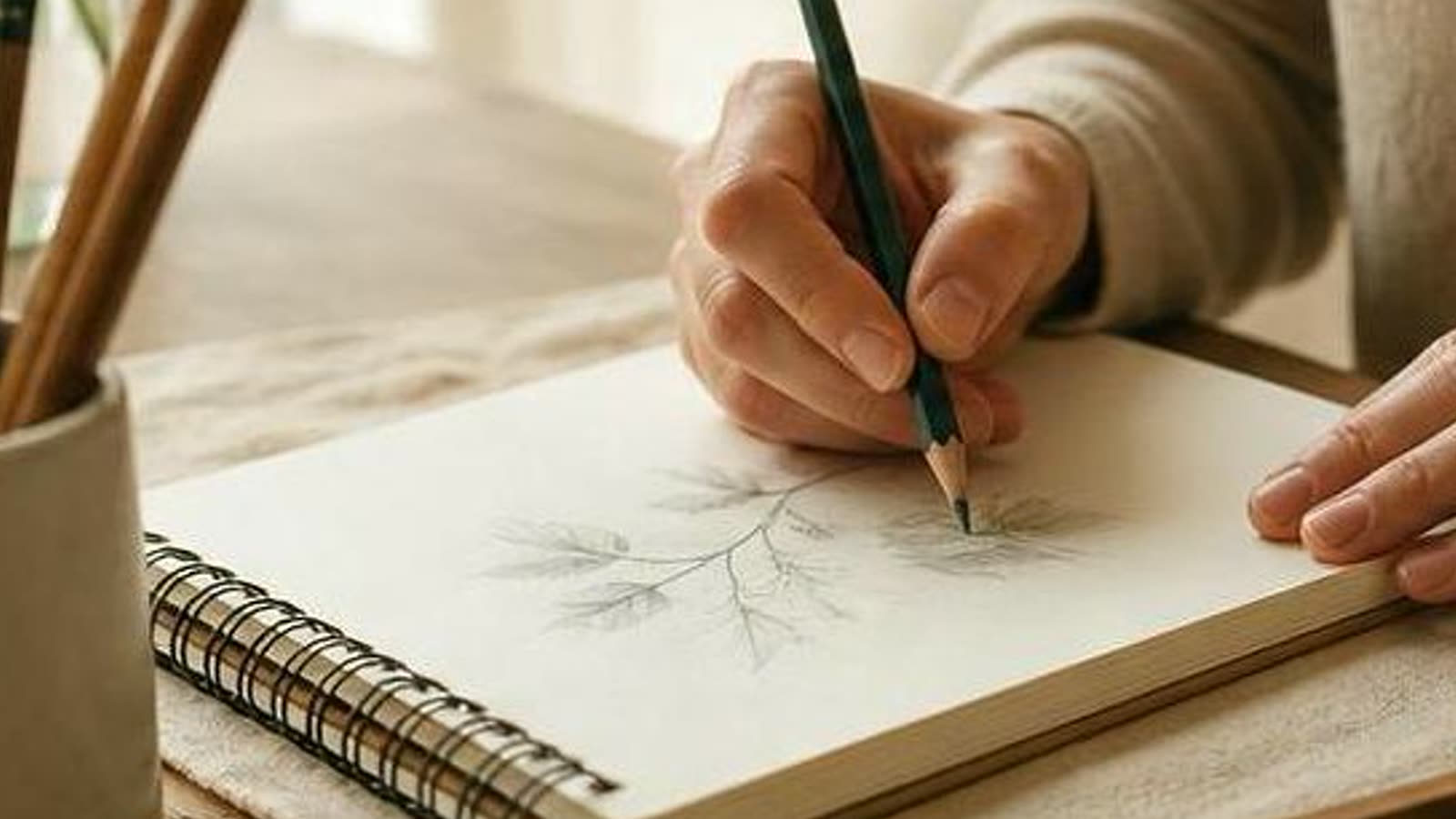 Starting from zero?25 Easy Hobbies for BeginnersFilter low-pressure starts by time, energy, setup, social comfort, and result.Find an easy first session
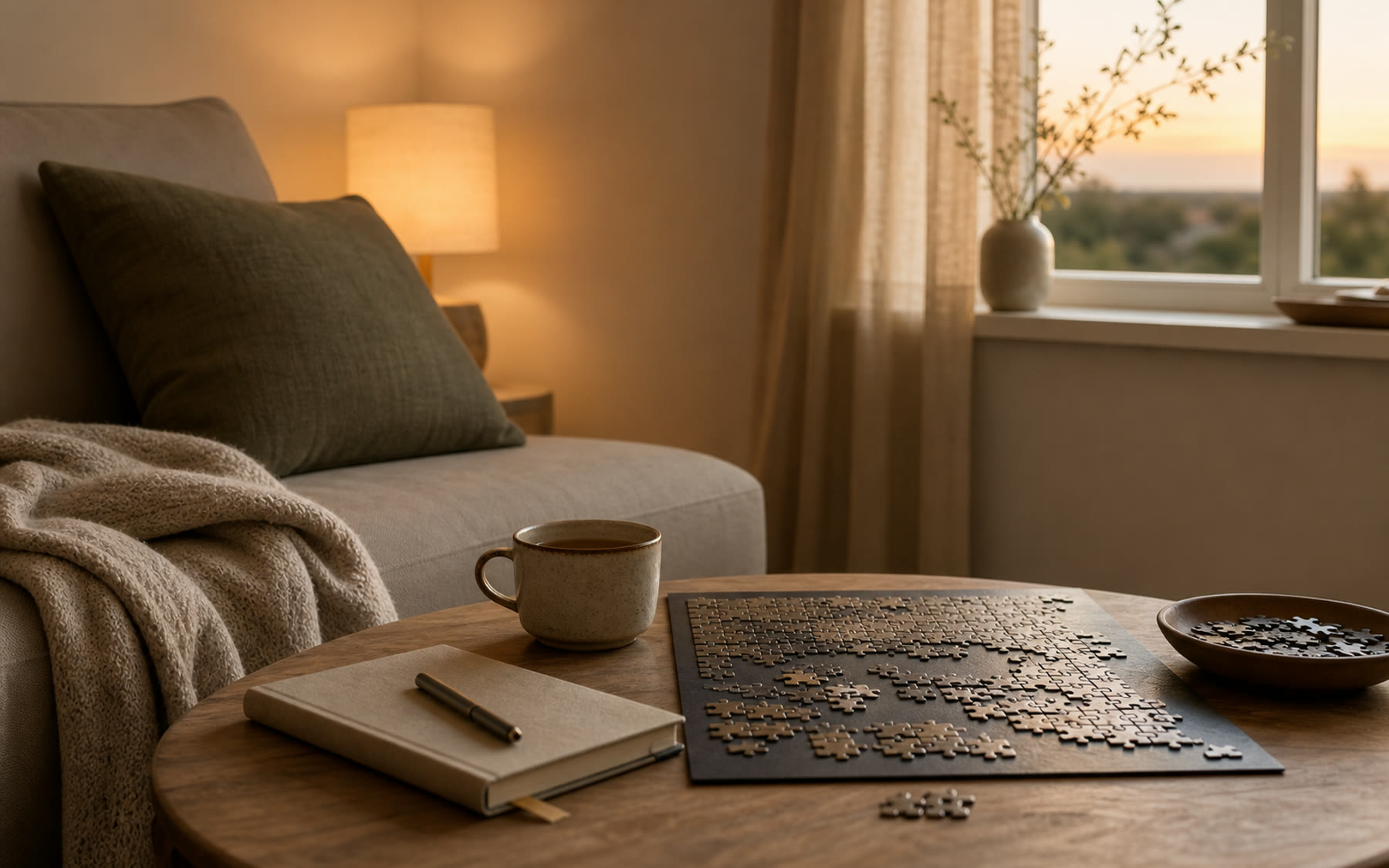 Phone down nowThings to Do Instead of ScrollingChoose a 5-, 10-, or 20-minute replacement by energy and what your brain wants.Build an offline menu
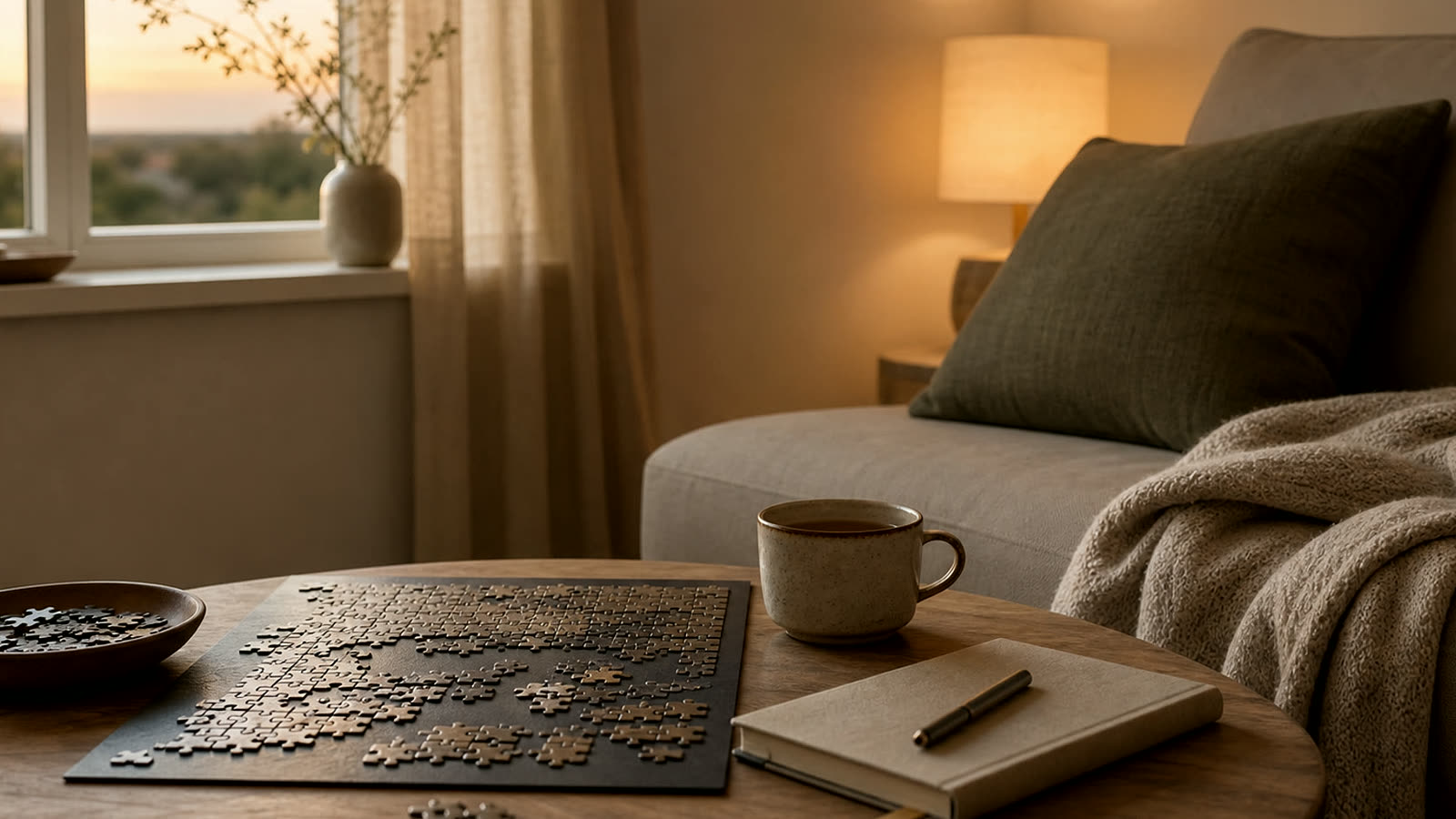 CalmerRelaxing Hobbies at HomeChoose a gentler routine for lower stress and a quieter evening.Compare calming ideas
 Lower energyLow-energy Hobbies for AdultsFind gentle ideas with short sessions and very little setup.Compare low-energy ideasScreen-freeScreen-free Hobbies for AdultsMove the next 20 minutes away from phones and laptops.Compare offline ideas
 Shared at homeHobbies for Couples at HomeChoose a two-person activity with a clear first session.Compare shared ideas
 More time at home this weekend?Weekend Hobbies for AdultsUse one protected block for a cooking, craft, garden, or shared project.Choose a weekend project
Prefer quiet solo time or low-pressure social options? Use the 30-second introvert hobby chooser.
This guide is organized around practical beginner fit, not a shopping list. LikeHobby looks at setup time, cost, space, cleanup, energy level, social pressure, safety, and whether a reader can finish one real at-home session before buying more.
Choose the smallest version that gives you a real attempt: one short practice, one project, one recipe, one page, or one repeatable home routine.
A hobby is a better fit when you can restart it on a normal week without special motivation, extra space, or a complicated setup ritual.
Gear should solve a specific blocker such as comfort, safety, storage, cleanup, instruction, or consistency. If it only makes the idea look more exciting, wait.
Editorial note: some LikeHobby pages include Amazon affiliate links, but the recommendation standard is still no-buy first. The useful part should be the decision framework even if you never click a product link.
Return to the local chooser if your first filter was too strict. Use the longer quiz only when time, budget, space, and motivation need to break the tie.