Beginner Painting Supplies: 7 Essentials + a Medium Matcher
Start with watercolor, acrylic, or gouache—not all three. Get the exact seven-item core, match a medium in three questions, then compare one product only if your inventory proves something is missing.
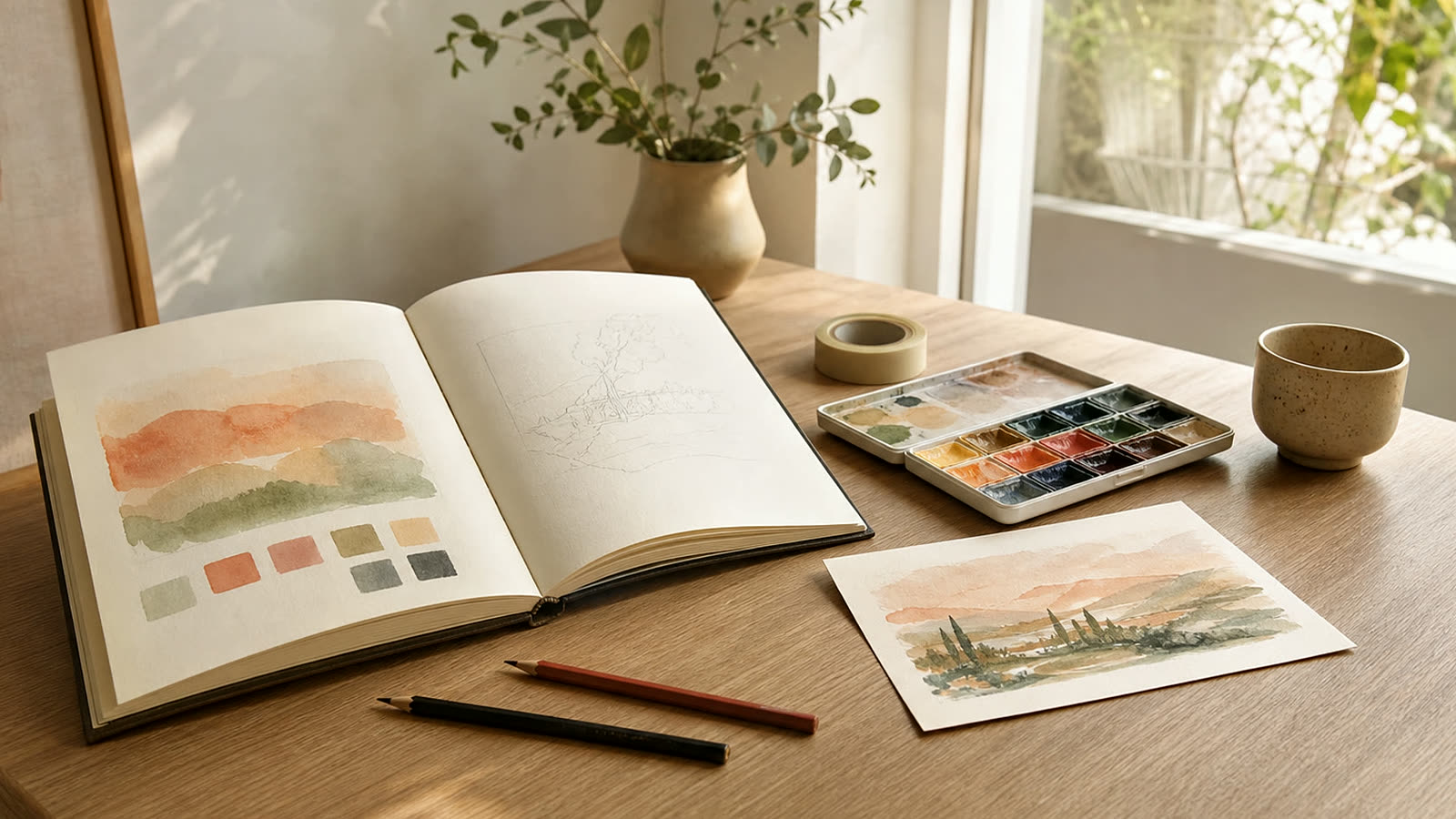
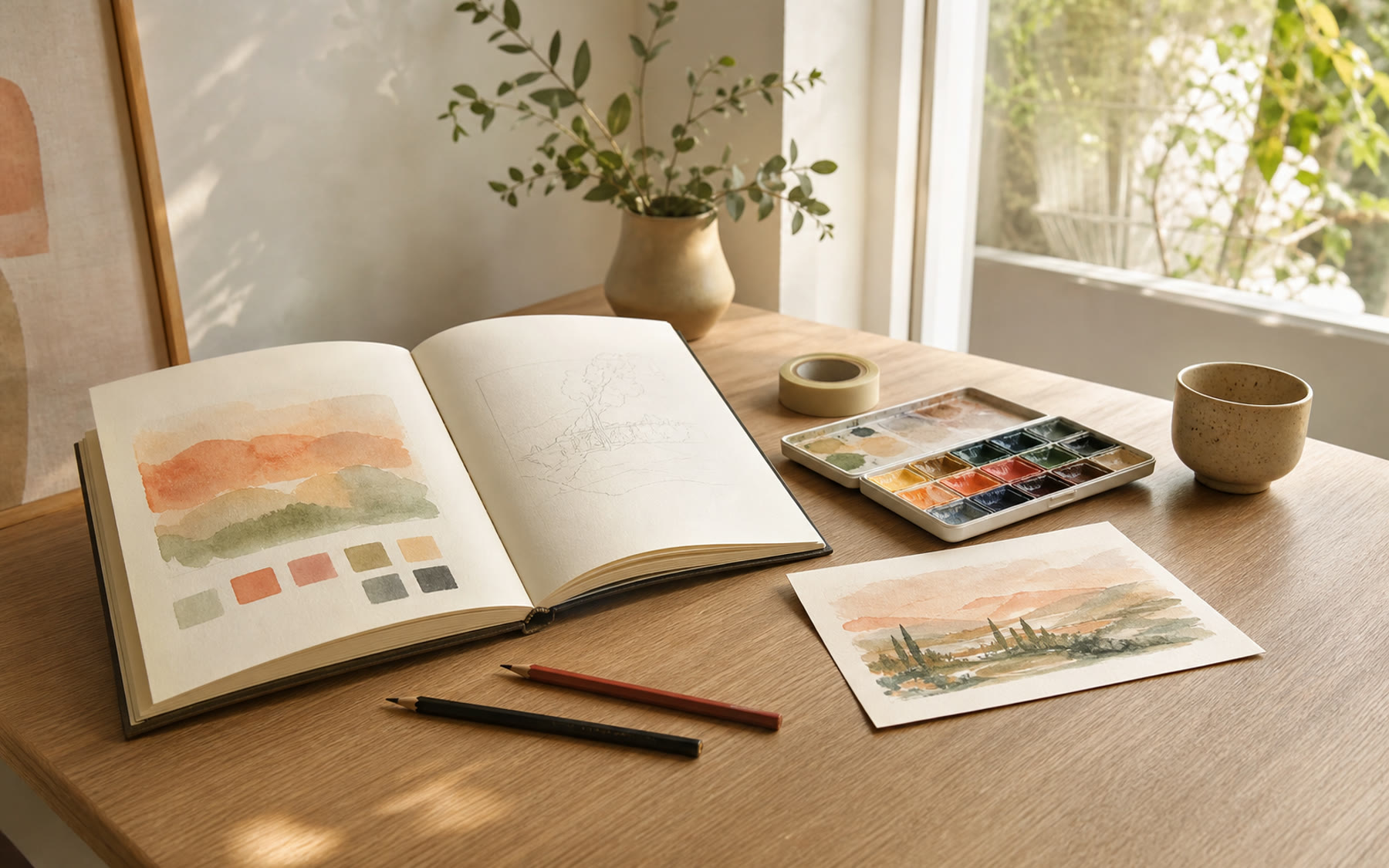
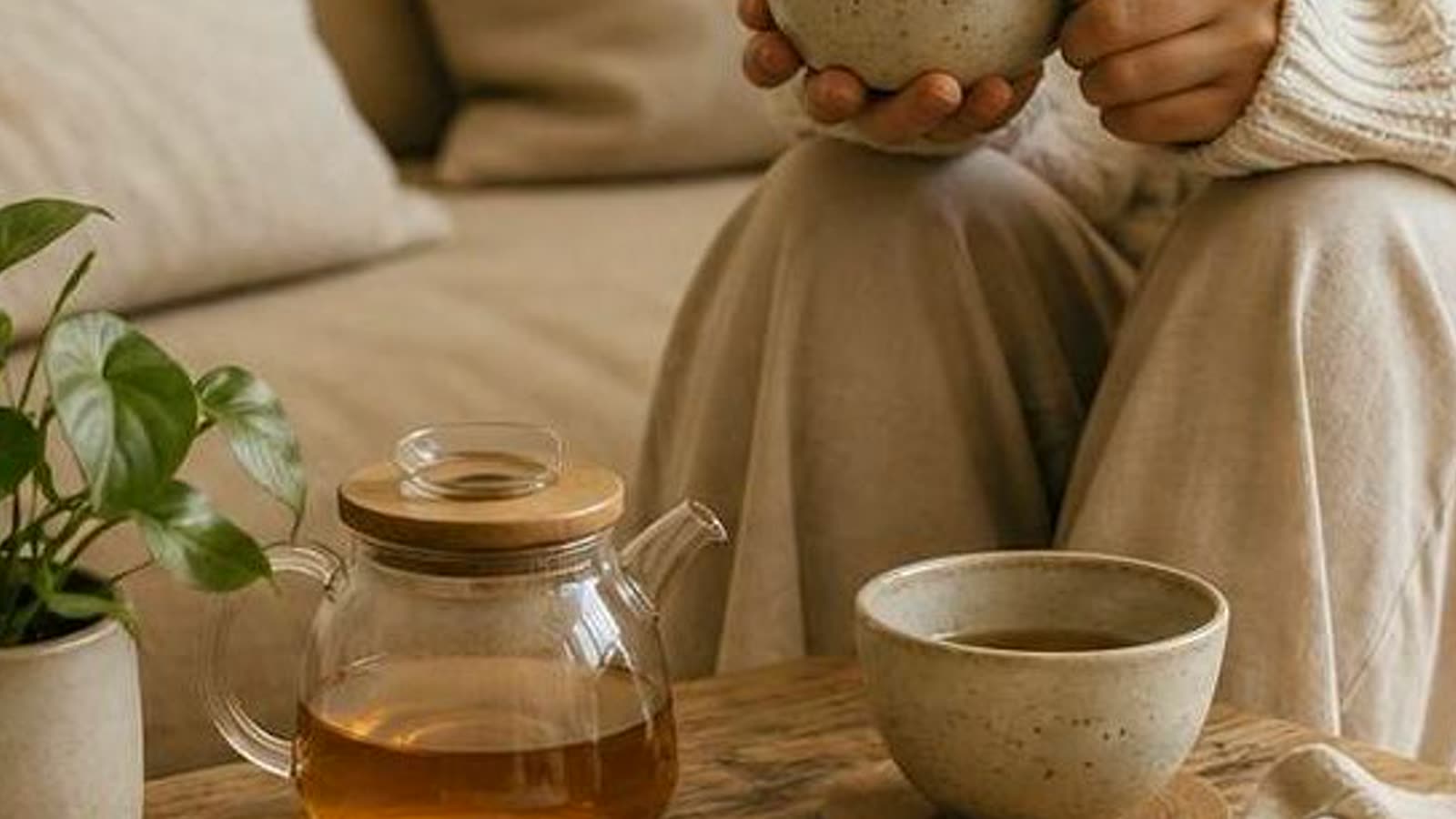
Buy for one postcard-sized study. The photo is watercolor-led; the matcher below also covers acrylic and gouache.01 · MatchPick one medium02 · AuditCheck what you own03 · CompareReveal 0 or 1 item
The direct answer
The 7 painting supplies a beginner actually needs
For one first painting, skip the easel, giant brush bundle, specialty mediums, and professional paint. Use these seven roles; household substitutes count.
01PaintOne small student-grade set in one medium.022 brushesOne round and one flat synthetic brush.03SurfacePaper or a small panel matched to the medium.04PaletteA white plate or reusable tray works.052 water jarsOne rinse, one clean; reuse household jars.06ClothAn old cotton cloth beats disposable towels.07ProtectionTable cover plus low-tack tape or clips.
3 questions · 27 preference states
Which painting medium should you start with?
Choose the finish you want, the cleanup you will tolerate, and the surface you can actually use. The matcher ranks all three beginner routes and keeps every recommendation explainable.
1. Desired finish
2. Cleanup
3. Surface
Your three-medium shortlist is ready, ordered by fit.
Best first medium
Watercolor
Best for transparent layers, compact storage, and the fastest cleanup.
Inventory proof before product
Your seven-item setup audit
Build the smallest workable setup with what you own, can borrow, or can safely repurpose. This is a ten-minute cart check—not a demand to buy a complete kit.
1Medium chosen
2Reuse checked
3Audit started
4Blocker named
Your exact first-kit checklist
Audit passed
Your next step
The three routes
Watercolor vs. acrylic vs. gouache for beginners
Fastest cleanup
Watercolor
Best if you want quiet desk sessions, travel-friendly storage, and visible paper texture.
Start with: 8–12 pan colors
Surface: 140 lb / 300 gsm paper
Skip: giant color tins and specialty brushes
Boldest payoff
Acrylic
Best if you want opaque color and a finished small panel, and can rinse brushes before paint dries.
Start with: 6–10 tubes
Surface: small panel or acrylic paper
Skip: mediums, varnish, and a large easel
Matte illustration
Gouache
Best if you like sketchbook illustration and want opacity without acrylic's permanent dry-down.
Start with: 6–12 tubes or pans
Surface: mixed-media or watercolor paper
Skip: oversized designer color sets
What to buy now, borrow, or skip
Supply
Buy now when
Borrow or reuse when
Skip for now
Paint
No small student set is available
A friend has a usable set in your chosen medium
Professional pigments and giant palettes
Brushes
No round or flat brush works
The included brushes hold a point and do not shed
20–50 piece bundles
Surface
Existing paper buckles or rejects the paint
Your kit includes a suitable small surface
Large canvases and premium blocks
Palette + cleanup
Household items cannot be dedicated safely
A plate, two jars, cloth, and cover work
Specialty brush washers and studio carts
Easel
Repeated sessions prove angle or posture is a blocker
What painting supplies does a beginner actually need?
One small student-grade paint set, two useful brushes, a medium-matched surface, a palette, two rinse containers, a cloth, and simple table protection.
Should a beginner start with watercolor, acrylic, or gouache?
Choose watercolor for transparent layers and fast cleanup, acrylic for bold opaque color and canvas, or gouache for a matte illustration look on paper.
Do beginners need an easel?
No. A protected table is enough for a first small painting. Add an easel only after repeated sessions prove that working angle is a real blocker.
Are LikeHobby product links affiliate links?
Some links are Amazon affiliate links. LikeHobby may earn from qualifying purchases at no extra cost to you. This page reveals at most one paid option after a medium and missing-item check.
How LikeHobby chose the seven essentials
We separated supplies that make one finished small study possible from products that mainly expand a studio. Medium fit, surface compatibility, cleanup, storage, and whether a household substitute works determine the order.
01
One medium
No recommendation asks a beginner to buy for watercolor, acrylic, and gouache at the same time.
02
One small result
The kit must finish a postcard-sized study without requiring a dedicated studio.
03
One proven blocker
A paid option appears only when a specific missing basic survives the inventory audit.
Editorial note: prices, seller contents, and availability change. LikeHobby links to comparison searches rather than claiming a specific listing is always the best choice.
Still unsure whether painting fits?
The free hobby quiz returns three explainable matches and a no-buy first session based on your time, budget, energy, setting, and motivation.