35 adult ideasFree first sessions
35 Hobbies for Adults to Try This Week
From journaling and drawing to hiking, cooking, and book clubs. Match one to your time, energy, and budget, then try it free this week.
3 answers3 ranked pathsNo shopping here

35 adult ideasFree first sessions
From journaling and drawing to hiking, cooking, and book clubs. Match one to your time, energy, and budget, then try it free this week.
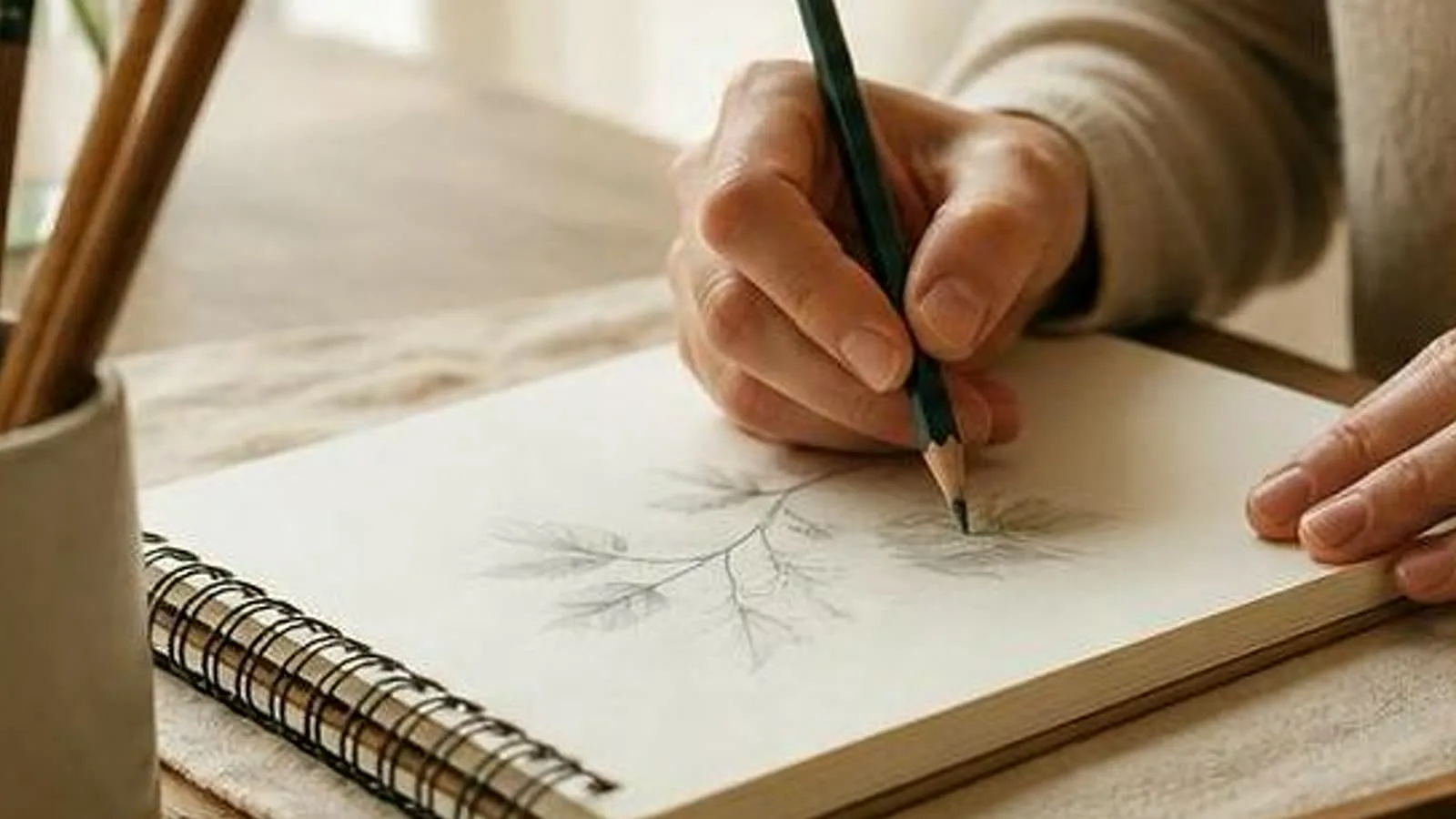
Adults who want a broad starting point before narrowing into home, outdoor, creative, social, or low-energy hobbies.
Filter by your real constraint first: time, energy, space, budget, or whether you want people involved.
Skip identity-based lists if you need practical choices that fit your actual week.
What this guide covers: this page focuses on adult hobby ideas, realistic constraints, and broad hobby discovery, so it stays distinct from broader LikeHobby idea lists and related buying guides.
Choose a time window, your likely energy, and the finish you want. You will get three specialist paths with a real no-buy first session—not three generic shopping searches.
Your ranked paths update as each real-life limit changes.
Three broad starting paths are ready.
A quick route when choice itself is the blocker. Match the kind of boredom you feel to one small, finishable action.
Use the boredom chooserA forgiving first-session route with explicit setup, comfort, cleanup, and learning-curve checks.
Open the beginner chooserA room, energy, cleanup, and payoff match for a real evening at home—before specialist gear appears.
Choose tonight’s home hobbyStill torn after seeing the three paths?
Take the free two-minute matchPick a hobby by matching it to your actual constraint first: available time, energy level, space, and budget. If a hobby requires a large purchase before the first session, it is usually not the best first choice.
Each idea below now includes a no-buy first-session note. Use the optional buying section only after one idea earns a second try.
Only choosing for a normal work night? Use the after-work hobby planner to match 10, 25, or 45 minutes to the energy and screen tolerance you have left.
Choosing for retirement or helping an older adult? Compare 40 easy hobbies for seniors by mobility, energy, cost, and social comfort, with free places to learn.
Use these as starter options, not identity decisions. Try one small session, keep the setup light, and only upgrade if you want to repeat it next week.
Good when you want a quiet habit with almost no setup cost.
First session: Open a blank page and write three lines: what happened, what you noticed, and what you want tomorrow. Stop when the page feels complete.
A pencil-and-paper path that gives visible progress quickly.
First session: Put one mug under a lamp and draw only its outline and darkest shadow for 15 minutes with any pencil.
Start with one small session and treat the first week as a test, not a commitment.
First session: Cut one square from scrap paper and fold a simple cup or boat. Completion means it holds its shape without your hands.
A strong option when you want replay value and a social path.
First session: Learn how each piece moves, then solve five beginner mate-in-one puzzles on a free site.
Low-pressure movement that can fit into short sessions.
First session: Take a 15-minute walk and capture five examples of one color. Keep your strongest frame and delete the rest.
Start with one small session and treat the first week as a test, not a commitment.
First session: Watch one window view for 10 minutes and record three birds or movements. A phone camera is optional.
A strong option when you want replay value and a social path.
First session: Learn one solitaire layout or teach one two-player game with an ordinary deck. Finish one complete round.
Use these as starter options, not identity decisions. Try one small session, keep the setup light, and only upgrade if you want to repeat it next week.
A pencil-and-paper path that gives visible progress quickly.
First session: Choose one household object and draw it using only five basic shapes, then add one round of corrections.
Start with one small session and treat the first week as a test, not a commitment.
First session: Use borrowed paint or a free digital brush to make a nine-square color-mixing grid. Name one mix you would use again.
Start with one small session and treat the first week as a test, not a commitment.
First session: Write one lowercase alphabet slowly with a regular pen, varying pressure only if the pen allows.
Start with one small session and treat the first week as a test, not a commitment.
First session: Use scrap fabric, thread, and a needle you already have to practice ten straight stitches in one row.
Start with one small session and treat the first week as a test, not a commitment.
First session: Shape a coin-sized pinch dish from leftover clay or homemade salt dough. Smooth one edge and stop.
Start with one small session and treat the first week as a test, not a commitment.
First session: Compare two beginner tutorials and sketch a one-candle recipe. Do not melt wax until you have a heat-safe setup.
Start with one small session and treat the first week as a test, not a commitment.
First session: Photograph the same object from five angles near a window, then edit only crop and exposure.
Use these as starter options, not identity decisions. Try one small session, keep the setup light, and only upgrade if you want to repeat it next week.
A useful routine with small weekly care and visible growth.
First session: Choose one herb you already cook with and map its light and watering needs to one real window.
Start with one small session and treat the first week as a test, not a commitment.
First session: Plan a 30-minute local loop, check weather and access, then walk it with water and familiar shoes.
Start with one small session and treat the first week as a test, not a commitment.
First session: Visit a nearby green space for 20 minutes and identify one bird by shape, sound, or behavior with a free app.
Start with one small session and treat the first week as a test, not a commitment.
First session: Borrow a paddle at a local court or watch a beginner clinic, then practice 20 gentle wall taps in a safe space.
Start with one small session and treat the first week as a test, not a commitment.
First session: Check local license and access rules, then learn one knot with cord at home before acquiring any tackle.
Start with one small session and treat the first week as a test, not a commitment.
First session: Use a free sky map to find the Moon and one bright planet or constellation from your doorstep.
A pencil-and-paper path that gives visible progress quickly.
First session: Sit at one park bench and sketch the nearest tree in 20 lines. Leave when the lines are done.
Use these as starter options, not identity decisions. Try one small session, keep the setup light, and only upgrade if you want to repeat it next week.
A strong option when you want replay value and a social path.
First session: Choose a game someone already owns, read the short setup, and play one round with a clear stop time.
Start with one small session and treat the first week as a test, not a commitment.
First session: Pick one familiar ingredient and make a small variation of a recipe already in your kitchen. Save one note.
Turns an existing daily routine into a repeatable hobby.
First session: Brew the same coffee twice with one variable changed, then write one sentence about the difference.
Start with one small session and treat the first week as a test, not a commitment.
First session: Follow one free 10-minute beginner routine in a clear space and repeat the easiest eight-count once.
Start with one small session and treat the first week as a test, not a commitment.
First session: Choose a short essay or chapter, write one discussion question, and invite one person to exchange answers.
Start with one small session and treat the first week as a test, not a commitment.
First session: Complete one free 10-question quiz, then write three questions about a topic you genuinely like.
A useful routine with small weekly care and visible growth.
First session: Find one nearby garden’s public information and attend an open hour or send one volunteer inquiry. No supplies are needed.
Use these as starter options, not identity decisions. Try one small session, keep the setup light, and only upgrade if you want to repeat it next week.
Good when you want a quiet habit with almost no setup cost.
First session: Answer one prompt—What would make this week feel lighter?—for 10 minutes, then underline one actionable sentence.
Start with one small session and treat the first week as a test, not a commitment.
First session: Complete one free mini crossword, logic grid, or 50-piece section. Stop at one clear finish line.
Start with one small session and treat the first week as a test, not a commitment.
First session: Borrow a hook and yarn or use finger crochet to make a 20-stitch chain. Completion is one even row.
A useful routine with small weekly care and visible growth.
First session: Audit one existing plant: light, soil moisture, and leaf condition. Make one small adjustment and photograph the baseline.
Low-pressure movement that can fit into short sessions.
First session: Follow a free 10-minute beginner mobility routine on a clear, non-slip surface. Stop if anything hurts.
Turns an existing daily routine into a repeatable hobby.
First session: Brew one tea with a timer, notice aroma, taste, and aftertaste, and record three words before cleaning up.
Start with one small session and treat the first week as a test, not a commitment.
First session: Read five pages with notifications off, mark one sentence, and write why it held your attention.
This broad guide should not guess which supplies you need. Move into the specialist path that matches your week, complete one small session twice, and only then solve the specific friction that remains.
Use eight quick questions to get three explainable matches and one no-buy first session for each.
Take the free hobby quizFilter beginner paths by time, energy, setup, social comfort, and the result you want before committing to one.
Open the beginner chooserCompare a starter path only after you can name the missing material, cleanup, space, comfort, or instruction blocker.
Use the proof-first starter-kit guideShopping boundary: this page contains no active Amazon links. Paid options live only inside specialist flows that disclose the relationship and require a fit or blocker check first.
Use these next if you want a more specific starter path.
 Useful, not more work25 Productive Hobbies for AdultsChoose by outcome, time, energy, setup, and screen, then try one free 20-minute session.
 Starter kitsBest Hobby Starter Kits for AdultsBeginner-safe kits organized by first-session payoff.
 Under $50Cheap Hobbies Under $50Low-risk hobbies where one small purchase is enough to begin.
 CreativeCreative Hobbies for AdultsArt and craft supplies with simple first-session payoff.
Adults usually fail at hobbies because the idea ignores real constraints. Start by choosing the constraint that matters most this week.
| Option | Best for | Why it works | Watch out for |
|---|---|---|---|
| Time-first filter | Busy schedules and unpredictable weeks | Prevents overcommitting | Choose hobbies with 10- to 30-minute versions |
| Energy-first filter | Tired evenings or recovery periods | Makes repetition more realistic | Avoid high-friction learning curves at first |
| Space-first filter | Apartments and shared homes | Keeps supplies manageable | Prefer compact kits and easy cleanup |
| Social-first filter | People who need motivation from others | Adds accountability and fun | Keep the first group setting casual |
Start with the smallest setup that lets you complete one real session. Upgrade only after you want to repeat the hobby.
Small first steps reduce wasted money, make the hobby easier to test, and keep the focus on whether the activity fits your real life.
Some product links are Amazon affiliate links. LikeHobby may earn from qualifying purchases at no extra cost to you, and the guide still recommends starting small.
If this page is close but not quite the right fit, use these adjacent guides to compare time, energy, budget, and starter-gear intent before choosing what to try.
 Starting from zero?25 Easy Hobbies for BeginnersFilter low-pressure starts by time, energy, setup, social comfort, and result.Find an easy first session
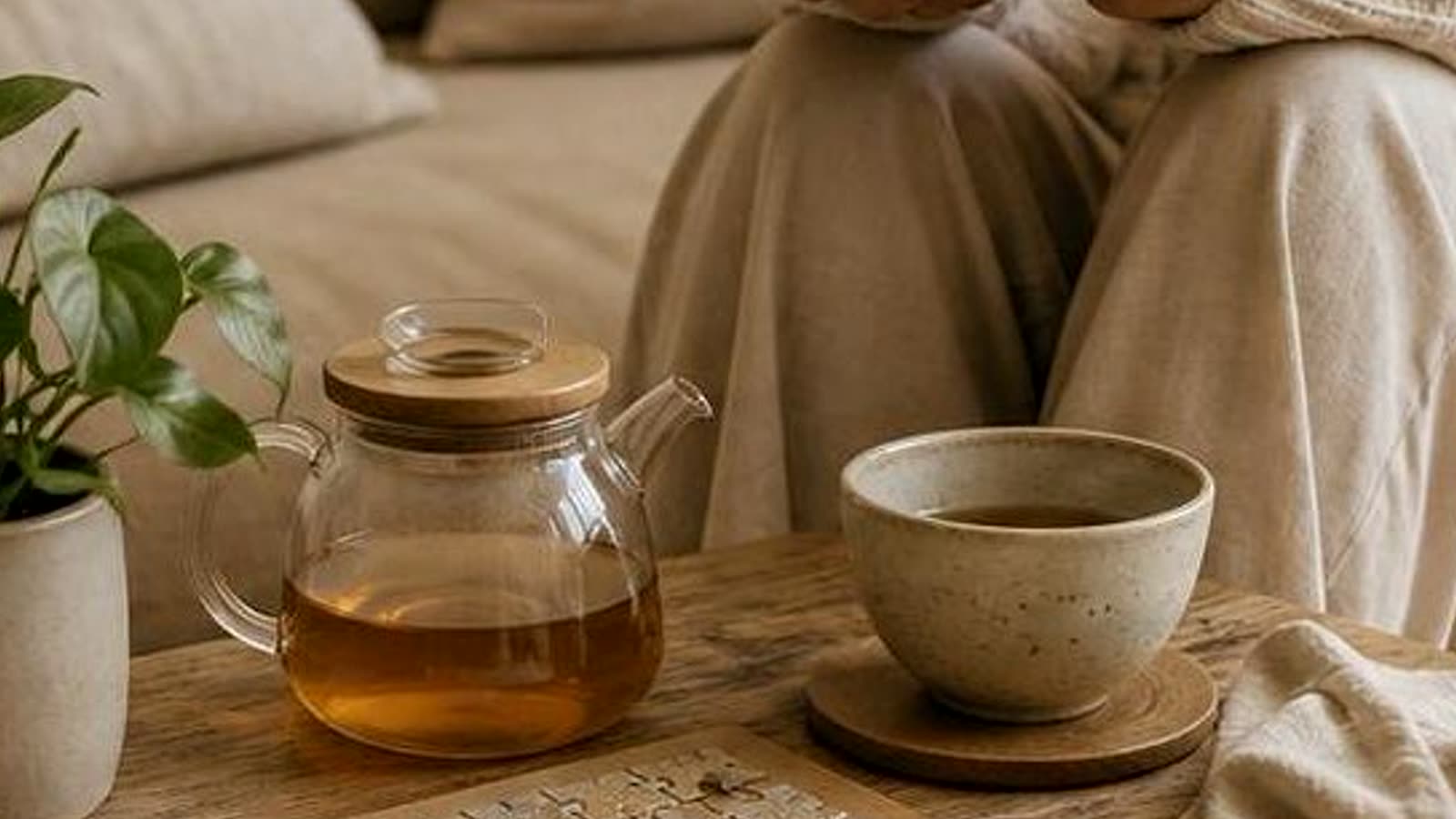 Find home-friendly optionsHobbies to Do at HomeHobbies to do at home for adults, including quiet weeknight activities, small-space ideas, low-cost starts, and screen-light...Open related guide
 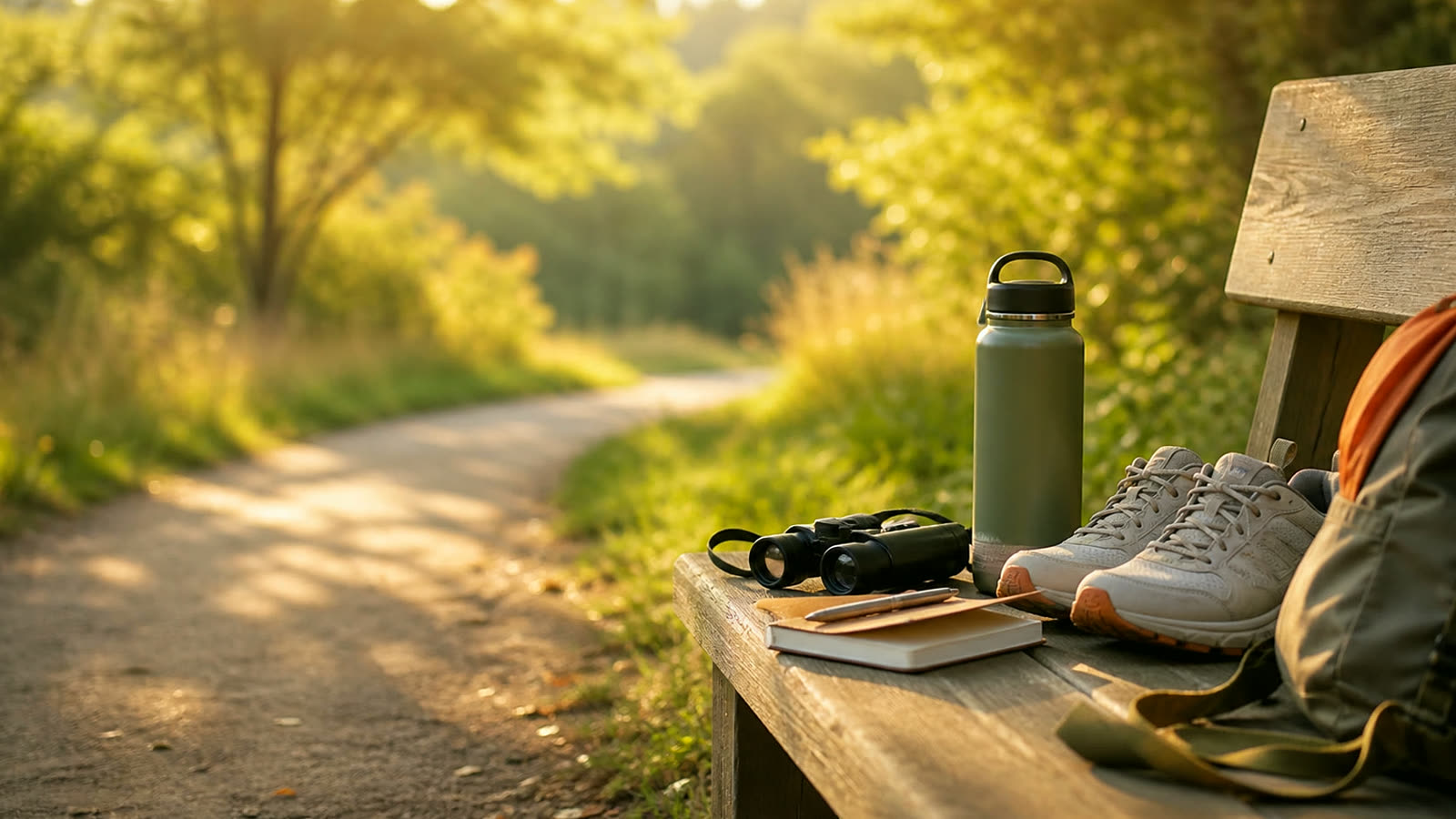 Choosing by available time?Weekend Hobbies for AdultsCompare longer-session ideas by time, energy, setting, and the kind of win you want.Find a weekend hobby
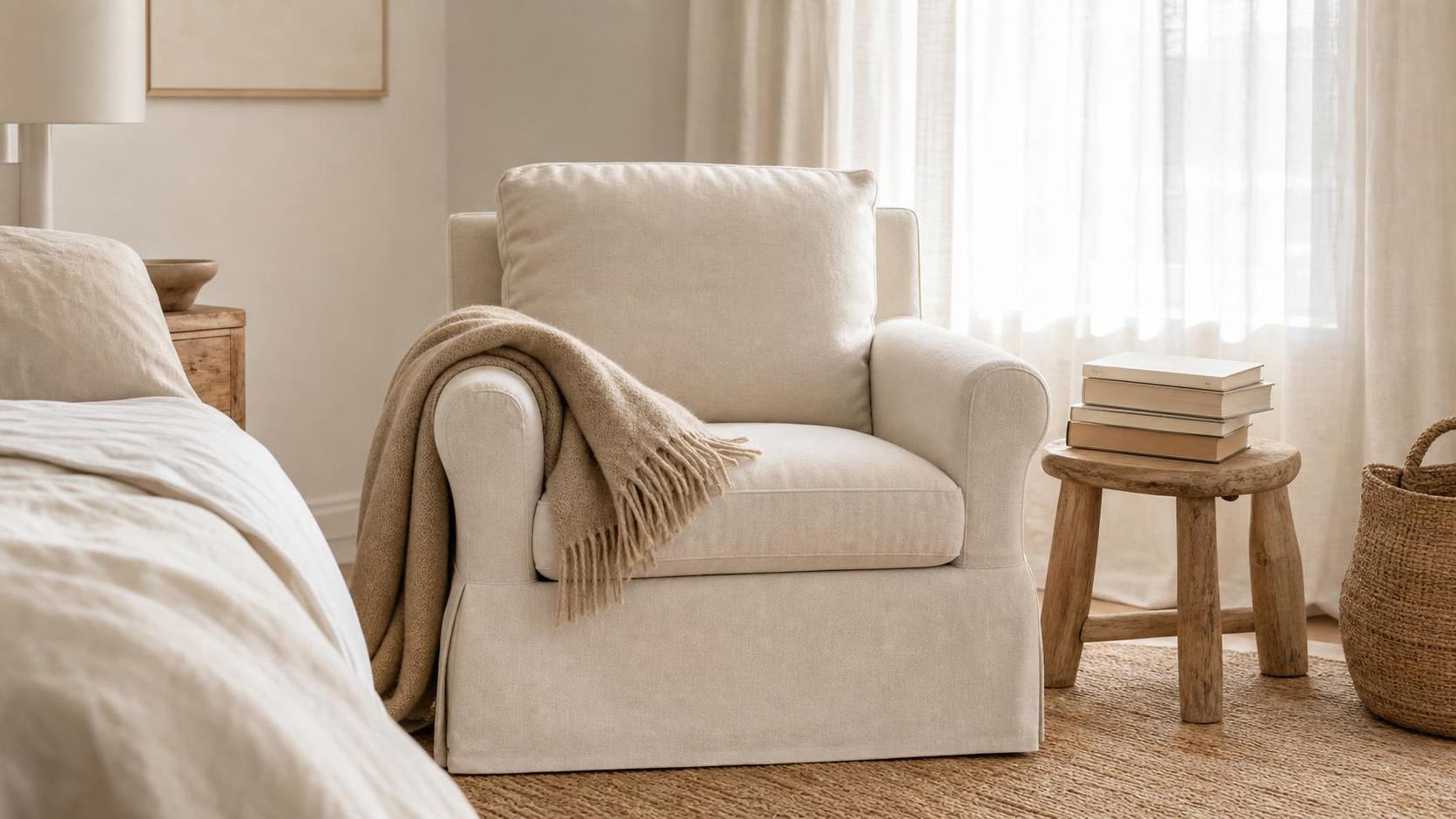 Lower the energy requirementLow-energy Hobbies for AdultsLow-energy hobbies for adults who want gentle creative, calming, screen-light, and restorative activities for tired weeks.Open related guide Try a creative directionCreative Hobbies for AdultsCreative hobbies for adults with starter supplies, first-session ideas, and low-pressure ways to begin drawing, painting,...Open related guide
 This guide is organized around practical beginner fit, not a shopping list. For these 35 hobbies for adults, LikeHobby looks at setup time, cost, space, cleanup, energy level, social pressure, safety, and whether a reader can finish one real first session before buying more.
Choose the smallest version that gives you a real attempt: one short practice, one walk, one project, one recipe, one page, or one repeatable routine.
A hobby is a better fit when you can restart it on a normal week without special motivation, extra space, or a complicated setup ritual.
Gear should solve a specific blocker such as comfort, safety, storage, cleanup, instruction, or consistency. If it only makes the idea look more exciting, wait.
Editorial note: some LikeHobby pages include Amazon affiliate links, but the recommendation standard is still no-buy first. The useful part should be the decision framework even if you never click a product link.
The free two-minute quiz ranks three hobbies by your time, budget, energy, space, social style, and motivation, then gives each match a no-buy 20-minute first session.