Draw a familiar object, paint a small color study, or stitch a simple shape. Compare six creative hobbies by the first thing you can make, the supplies you have, and the cleanup you want.
Updated September 12, 2026Buy small firstCompare before buying
The times below are suggested practice windows. Use the first-session version to find out which part you enjoy; a finished study can be as small as one line, one shape or one photo.
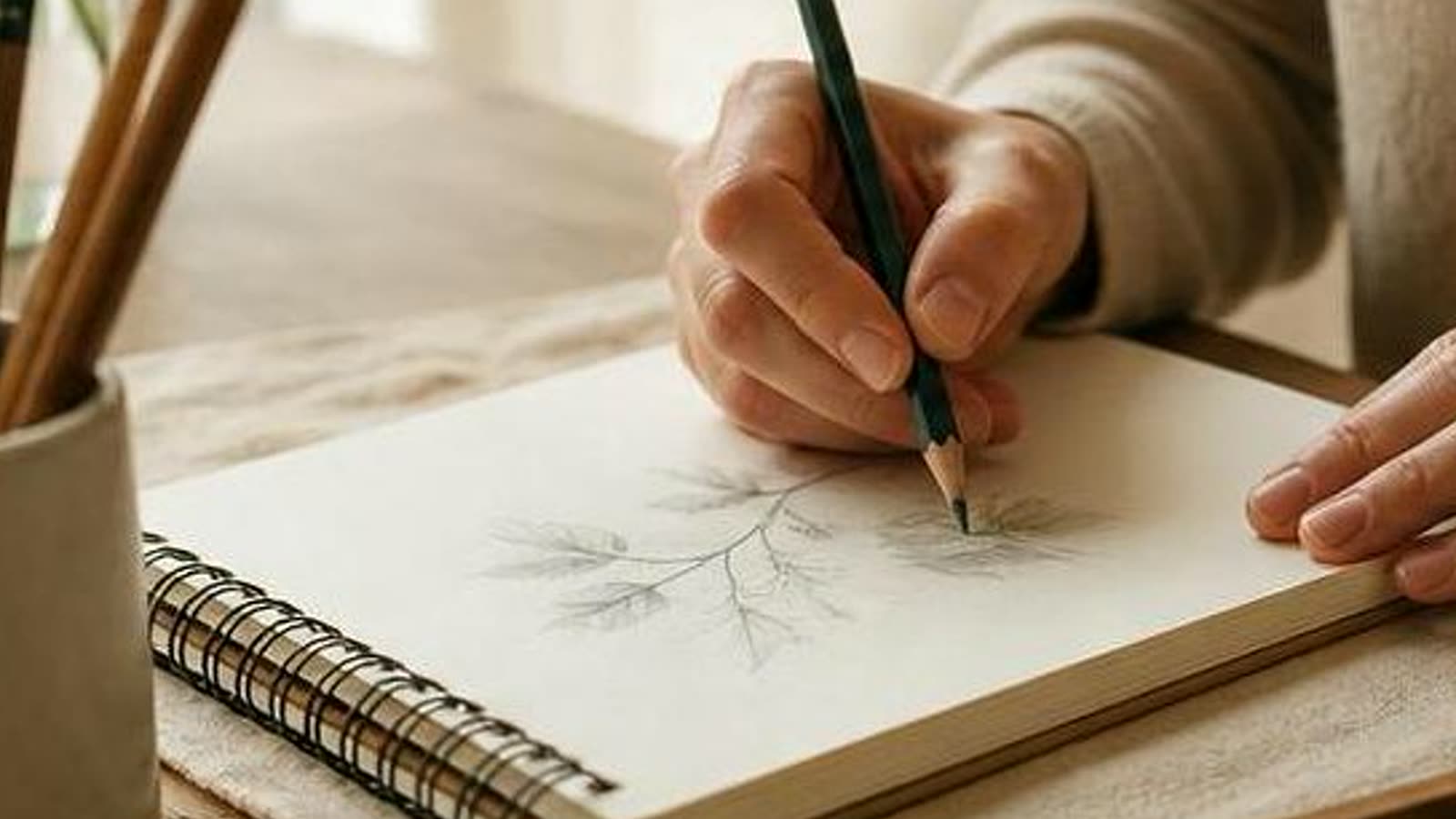
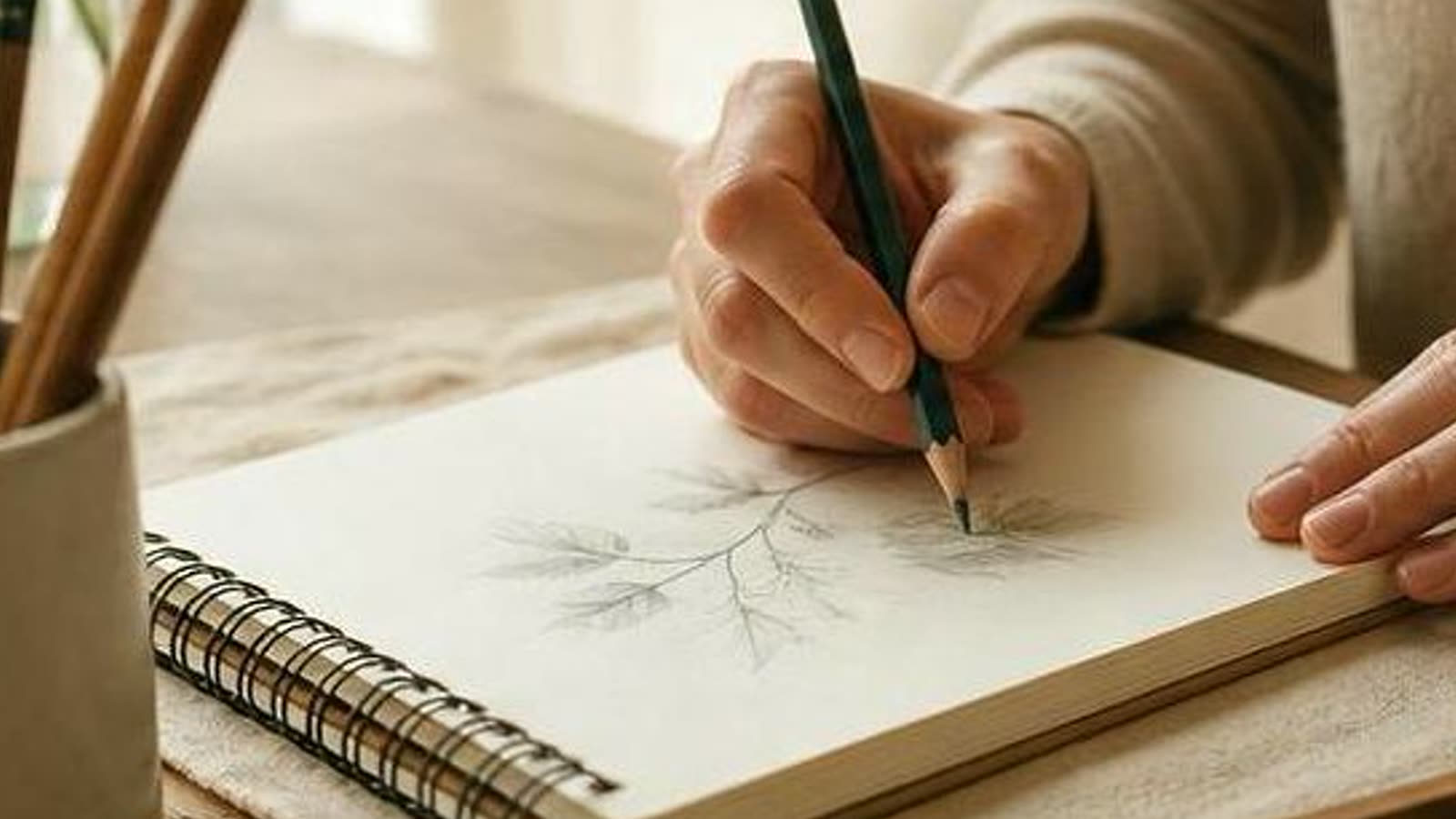
01 / Drawing · 20 minutes
One cup, three ways
Set out: a pen or pencil, scrap paper and a cup.
Divide the page into three. Draw the cup as an outline, a few straight lines, then a patch of light and shadow.
Keep: one dated page. Repeat the version you liked drawing most.
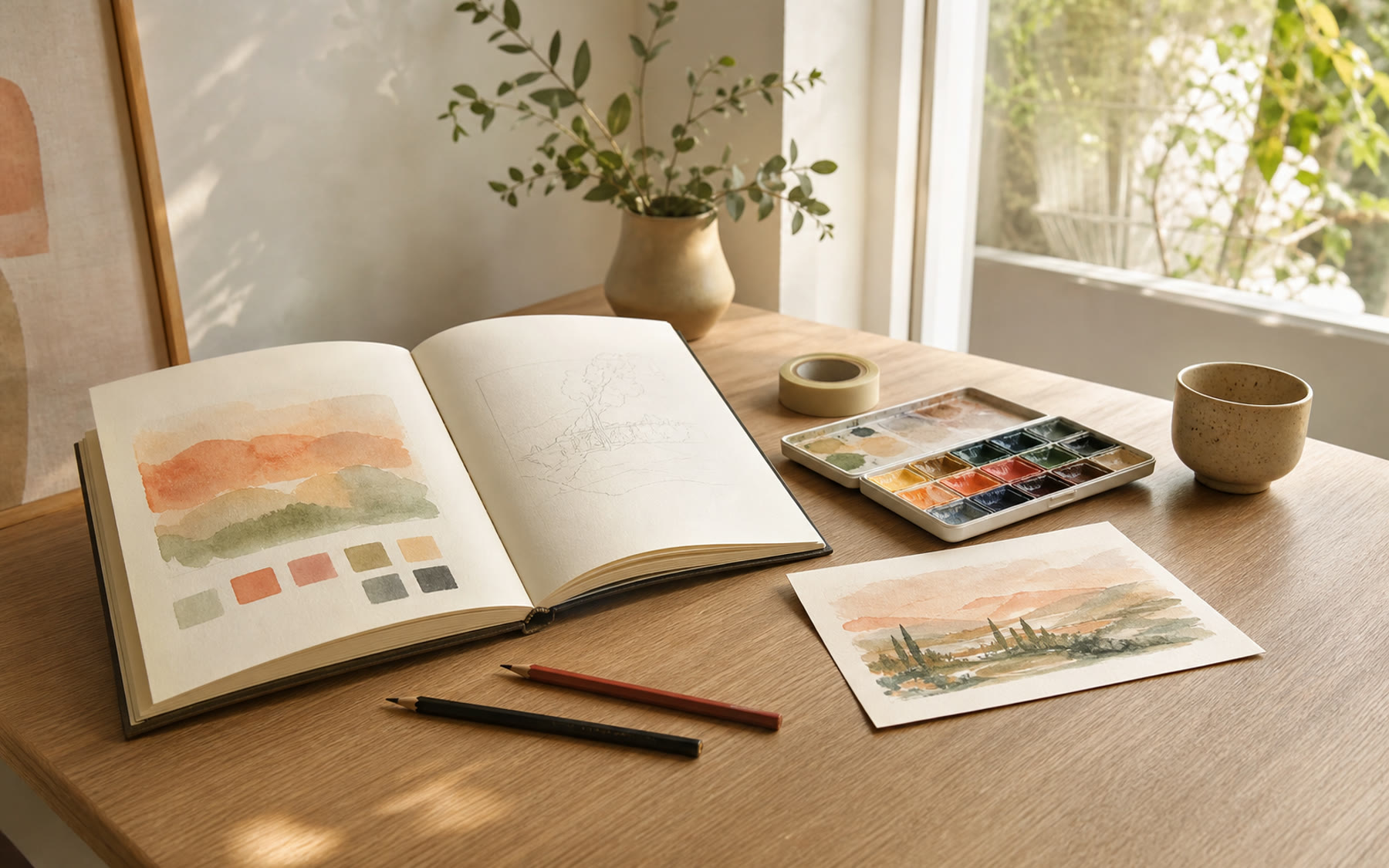
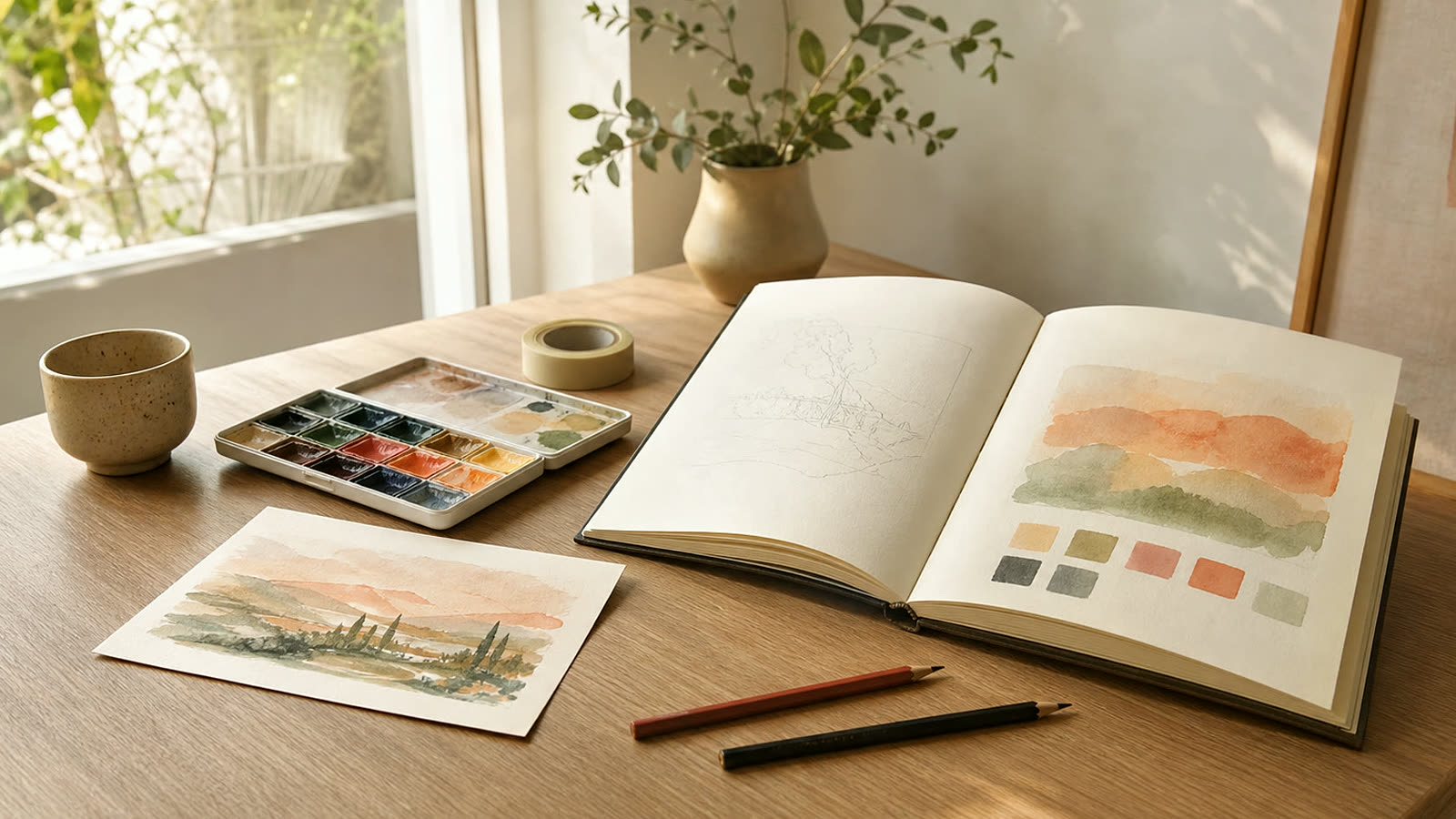
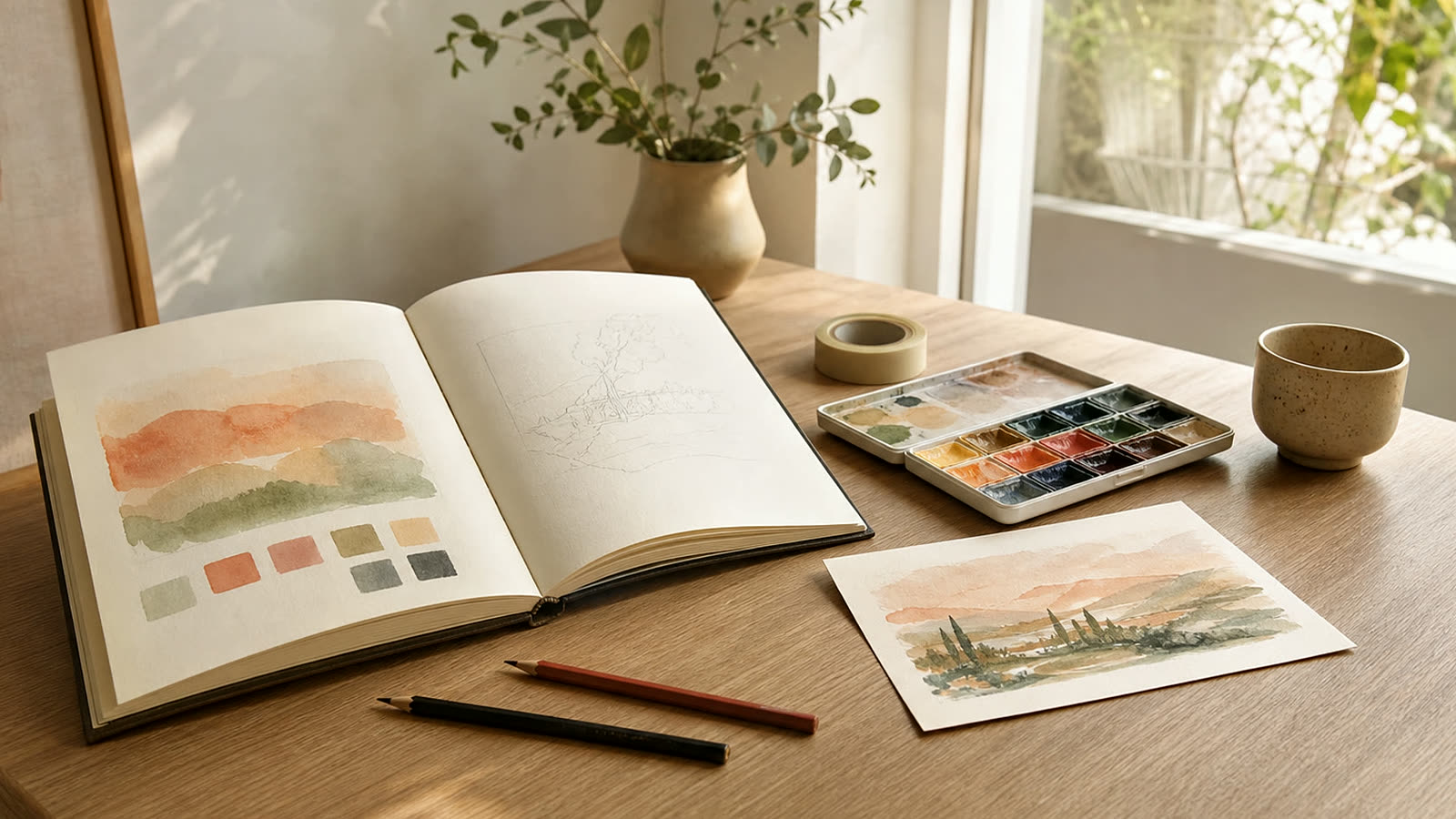
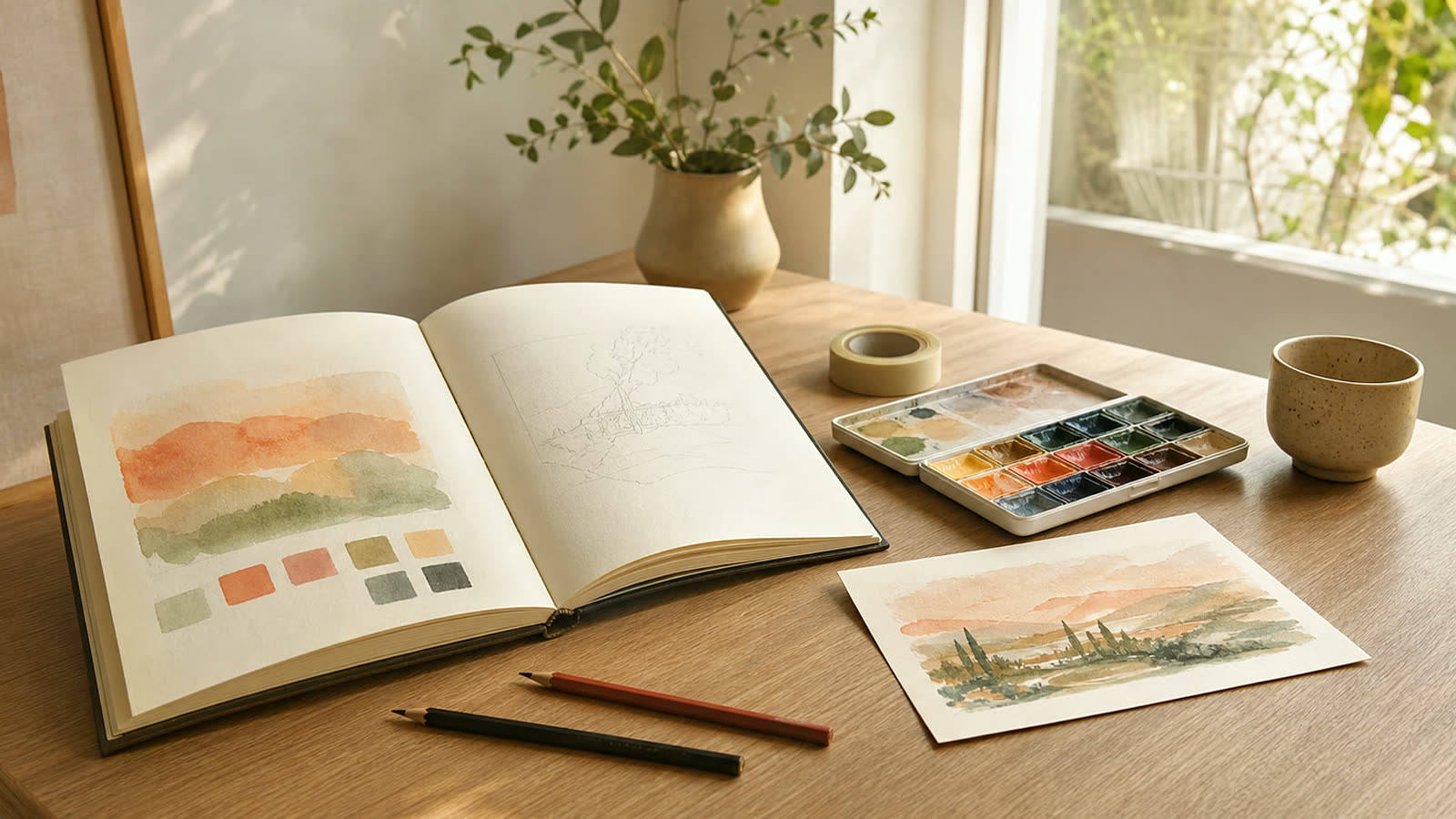
02 / Watercolor · 20 minutes
A postcard of color
Set out: paints and a brush you own or can borrow, water and suitable paper.
Make four small washes, changing the amount of water. Let them dry before adding a simple leaf or window shape.
Keep: one color study. If you have no paint, try colored pencils before buying a set.
03 / Calligraphy · 15 minutes
A name worth keeping
Set out: an ordinary pen and paper.
Write one name slowly five times. Change the spacing, then draw a second line beside each downward stroke and fill it in for a simple lettering exercise.
Keep: your favorite name card. A specialist nib can wait.
04 / Clay · 25 minutes, plus drying
A small desk dish
Set out: air-dry clay you already have or can borrow, a work mat and a blunt shaping tool.
Pinch a small shallow dish, smooth the edge and leave it to dry for the time on the package.
Keep: a dish for paper clips. Treat it as decorative, not food-safe; use paper folding for a no-clay alternative.
05 / Photography · 20 minutes
Three pictures, one theme
Set out: the camera you already use.
Look for one theme, such as shadows or circles. Take ten pictures around home or on a familiar walk, then choose three that belong together.
Keep: a three-photo set. For an offline version, sketch the same subjects.
06 / Embroidery · 20 minutes
A line of small stitches
Set out: a needle, thread and a fabric scrap you already have.
Draw a short line and follow it with a running stitch. Try shorter and longer stitches on a second line.
Keep: a small stitch sampler. Store the needle safely when you finish.
Find the creative setup that fits your real evening
Choose the payoff, workspace, and cleanup you can actually sustain. We rank all six paths, explain the match, and keep shopping locked until a small first session reveals a real blocker.
Task 01Match your constraints
Use three practical filters, not a personality label.
Task 02Finish one tiny project
Prove the activity before adding supplies.
Task 03Solve one blocker
See zero products or one relevant starter path.
Best match ready. Change any filter to rerank the six paths.
Best match
Drawing starter kit
It works in nearly any small space, needs almost no cleanup, and makes progress visible in one short sitting.
Tonight's plan
Sketch one mug or plant for 20 minutes with any pencil and paper.
Proof of fit
Finish one page you would be willing to date and keep.
Also compatible
Alternative 2
Watercolor starter set
Fast color payoff with a small desk and one quick rinse.
Alternative 3
Calligraphy practice set
Quiet, repeatable hand practice with almost no setup.
Drawing starter kit
Watercolor starter set
Calligraphy practice set
Air-dry clay starter path
Phone photography path
Embroidery starter path
Field note: Creative hobby supplies for adults including sketching, painting, clay, embroidery, photography, and craft materials.
Choose the activity before the supplies
What you have
Start with a pen, paper, a camera or materials you can borrow. If a medium needs supplies you cannot access, try a different path first.
Where it fits
Drawing and lettering fit a lap or small desk. Paint and clay need a protected surface and somewhere to leave the work.
What you keep
Choose one small study, a simple shape or a few stitches. Drying and finishing may take longer than the hands-on session.
Your pathOne-session proofNo account needed
Try your match before opening a store tab
Complete the smallest useful version with supplies you already have, can borrow, or can improvise.
Proof of fit:Finish one tiny result and notice whether you want a second session.
Step 1Path chosen
Step 2Start the tiny session
Step 3Mark it complete
Step 4Name one blocker
Your recommendation is saved on this device for 30 days.
No purchase recommended
Your selected blocker is not solved by one of this guide's narrow starter options. Repeat the no-buy version, use the related guide below, or choose a different path.
Disclosure: As an Amazon Associate I earn from qualifying purchases. This single comparison appears only because your completed session exposed a compatible blocker. Using the link costs you nothing extra.
Qualified for missing materials
Drawing basics comparison
Look for a small sketchbook, two or three graphite grades, and an eraser. Skip oversized art chests.
First project: make a three-photo set around one color or texture. No new gear or cleanup required.
06 / Screen-free detail
Embroidery starter path
First project: practice three stitches or one tiny motif. Fits a lap, stores small, and has no cleanup.
How to avoid wasting money
Skip professional bundles until you know your medium. Beginner creative supplies should be forgiving, replaceable, and easy to clean up.
Use a simple rule: buy the smallest kit that lets you complete one real session. If you still want to do it again after a week, then consider an upgrade.
Keep browsing before you decide
More useful pages mean more chances to compare hobbies, avoid overbuying, and find a starter path that fits your actual week.
Creative hobbies are easiest to keep when the first project is small enough to finish. Pick by the kind of feedback you want, then match the kit to your space and cleanup tolerance.
Option
Best first kit
Space and cleanup
Upgrade only if
Drawing or sketching
Sketchbook, pencils, eraser
Tiny desk space, no cleanup
You draw twice in one week
Watercolor
Small pan set, brush, paper
Small table, light water cleanup
You finish several small studies
Clay or craft kit
One-object beginner kit
Tray or mat, drying/storage space
You enjoy the slow hands-on process
Phone photography
Prompt list first, tripod later
No craft space, mostly walking/light setup
A tripod or light solves a real blocker
Frequently asked questions
How should I start with Creative Hobbies for Adults?
Start with the smallest setup that lets you complete one real session. Upgrade only after you want to repeat the hobby.
Why does LikeHobby recommend small first steps?
Small first steps reduce wasted money, make the hobby easier to test, and keep the focus on whether the activity fits your real life.
Are LikeHobby product links affiliate links?
Some product links are Amazon affiliate links. LikeHobby may earn from qualifying purchases at no extra cost to you, and the guide still recommends starting small.
Choose the next guide by intent
If this page is close but not quite the right fit, use these adjacent guides to compare time, energy, budget, and starter-gear intent before choosing what to try.
These are editorial project prompts, not accounts of product testing. Each offers a small result, a suggested practice window and a clear list of materials. The comparison considers workspace and cleanup as well as the kind of activity you want to try.
01
Start with one session
Choose the smallest version that gives you a real attempt: one short practice, one walk, one project, one recipe, one page, or one repeatable routine.
02
Check repeatability
A hobby is a better fit when you can restart it on a normal week without special motivation, extra space, or a complicated setup ritual.
03
Buy only for friction
Gear should solve a specific blocker such as comfort, safety, storage, cleanup, instruction, or consistency. If it only makes the idea look more exciting, wait.
Editorial note: some LikeHobby pages include Amazon affiliate links, but the recommendation standard is still no-buy first. The useful part should be the decision framework even if you never click a product link.
Still unsure? Take the hobby quiz.
The free quiz returns three explainable matches and a no-buy 20-minute first session, based on your time, budget, energy, setting, and motivation.