32 profitable hobby ideas36 match states7-day demand testUpdated 2026-07-21
Hobbies That Make Money: 32 Profitable Ideas + a 7-Day Demand Test
Do not choose the hobby with the loudest income promise. Choose one you can prove with a useful sample, a real person, and a repeatable process before you spend.
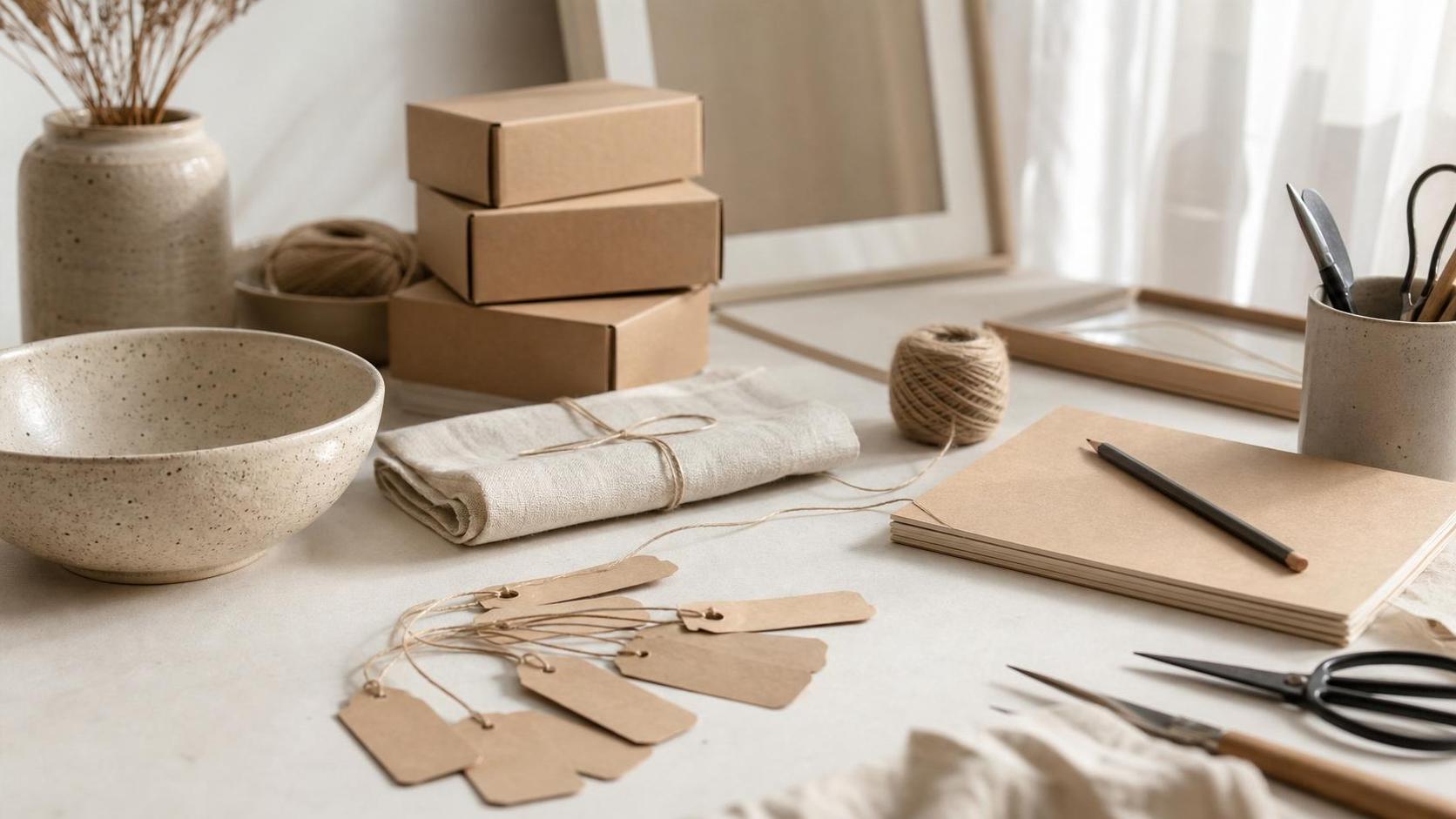
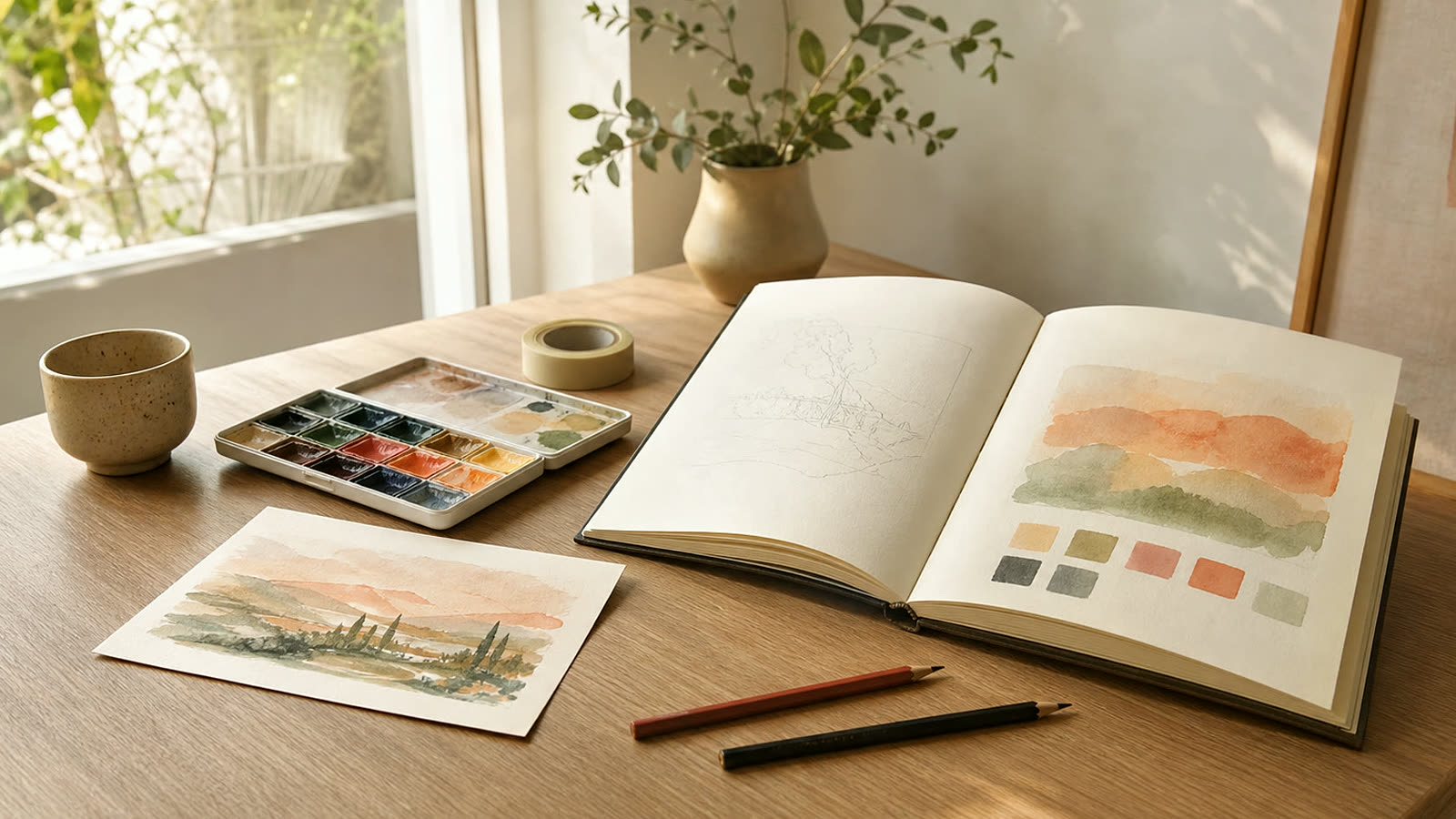
Field note: Realistic money-making hobby workspace with handmade goods, camera, notebook, packaging, and a skill-building checklist.01 · Match
Start with an advantage
Use a skill, process, product, or local problem you can already test without a new setup.
02 · Prove
Make one useful sample
Show a small result to the kind of person who would use it, not only to supportive friends.
03 · Earn
Spend only on a blocker
A tool becomes relevant only after demand exists and the current setup limits the next attempt.
Quick answer
The most profitable hobby is the one you can validate cheaply
Writing, photography, tutoring, crafts, coding, templates, repair, and local services can all make money. The better question is which one lets you produce a useful sample, reach one plausible buyer, and repeat the work at a fair cost.
Choose what you can prove now. The matcher ranks realistic first tests; it does not estimate or promise income.
Your 7-day demand cardNo purchase required
Your smallest useful test
MakeAsk
Step 1Choose one idea
Step 2Start the 7-day test
Step 3Finish one sample
Step 4Record a real signal
Crawlable idea library
32 hobbies that can make money, with no-buy first tests
Scan by the kind of value you want to create. Each idea includes a concrete first session so the page remains useful even if you never buy a product or try to sell.
These can become paid only after you build examples and trust.
01
Photography
Photography works as a service when you can turn a brief into a small, consistent set of usable images.
First session: Use your phone to shoot and edit five product photos of one household object, then ask a shop owner or maker which images they could use and why.
02
Writing
Writing is easiest to test when the offer names a concrete output, such as a product description, email, or short article.
First session: Rewrite a public product description into a 100-word before-and-after sample, then ask a business-owning friend whether the revision is clearer.
03
Logo sketching
Logo sketching turns a short brand brief into simple visual directions that can be compared before detailed design begins.
First session: Choose a local business, write a three-word brand brief, sketch 12 monochrome thumbnails on paper, and show the best three to the owner or a designer.
04
Calligraphy
Calligraphy suits small personalized pieces where legibility and consistency matter as much as decoration.
First session: With an ordinary felt-tip pen and scrap card, letter five place cards in one style and ask a frequent host to check their readability and consistency.
05
Video editing
Video editing becomes useful when you can shape raw clips into a clear story at the requested length and format.
First session: Combine five phone clips into a 30-second reel with a free editor, then ask one creator where the pacing loses their attention.
06
Podcast editing
Podcast editing focuses on making spoken audio easier to follow through clean cuts, balanced levels, and restrained processing.
First session: Record two minutes of speech, produce a polished 60-second version in a free audio editor, and let a podcast listener compare the raw and edited cuts.
07
Social graphics
Social graphics need to communicate one message quickly while remaining recognizable as part of the same brand.
First session: Create three matching posts for a fictional promotion in a free design tool, then ask a business owner to identify the message and brand without explanation.
08
Illustration
Illustration is easier to offer when your style can solve a defined need such as an article spot, icon set, or product motif.
First session: Draw three small illustrations around one theme on paper or in a free app, then ask a target reader or creator which one best supports the topic.
Handmade products
Start with small batches and gifts before inventory.
01
Candles
A candle concept has to balance scent, burn safety, and presentation, so the idea should be tested before wax is bought in volume.
First session: Mock up three labels and scent briefs around jars you already own, then ask five likely gift buyers which concept they would consider and what they expect it to smell like.
02
Knitting
Small knitted items make useful tests because stitch quality, working time, and yarn use are easy to compare.
First session: Borrow needles and leftover yarn, knit one small swatch, and record its size, mistakes, and completion time.
03
Crochet
Crochet supports compact, repeatable products whose shape and finish can be checked after a single piece.
First session: Use a borrowed hook and scrap yarn to crochet one coaster, then ask another crafter to check its shape, tension, and edging.
04
Soap making
Soap making demands consistent weight, clear labeling, and skin-safe ingredients before any finished product is shared.
First session: Borrow enough melt-and-pour base and a dedicated soap mold to make one unscented test bar, then record its weight, setting time, and surface flaws.
05
Air-dry clay
Air-dry clay is well suited to small decorative objects that reveal cracking, warping, and finishing problems quickly.
First session: Use the smallest packet available to make one pinch dish and one trinket tile, then compare how evenly they dry over two days.
06
Embroidery
Embroidery can be tested through compact motifs where stitch control, fabric choice, and finishing are visible.
First session: Stitch a five-centimeter motif on an old cotton scrap with a borrowed needle and leftover thread, then inspect the front and back for loose or uneven stitches.
07
Wood crafts
Simple wood crafts depend on accurate dimensions, smooth edges, and a finish that holds up to handling.
First session: Ask for one clean offcut, shape it into a plant marker with borrowed hand tools and eye protection, and check the result for splinters and uneven edges.
08
Baked goods practice
A baked-goods idea needs consistent taste, size, timing, and ingredient cost before it is repeated for others.
First session: Bake a half-batch of one pantry-friendly item, weigh or size each portion, and ask two tasters for blind feedback on texture and sweetness.
Digital skills
Useful skills can grow into freelance or product ideas.
01
Coding projects
A small coding project is most useful when it solves one narrow, repeatable problem for a defined user.
First session: Build a one-page quote calculator with sample data in a free browser editor, then ask a freelancer to complete one realistic task with it.
02
Website building
Website building combines clear structure, readable content, and a usable path to one visitor action.
First session: Build a local one-page mock site for a real community group using its public information, then ask one member to find the contact details without help.
03
Spreadsheet templates
A spreadsheet template earns trust by reducing repeated work without hiding how its formulas behave.
First session: Create a simple bill or inventory tracker with five sample rows, then watch another person add an entry and correct any confusing labels.
04
Notion templates
A Notion template should make one workflow easier to start, maintain, and hand to another person.
First session: In a workspace you already use, build a one-page project tracker and ask a friend to duplicate it and add a task without instructions.
05
Digital planners
Digital planners need clear navigation, comfortable writing space, and pages that match a specific planning routine.
First session: Make a three-page weekly planner PDF with software you already have, then ask three people to mark where they would tap, write, or look first.
06
Photo presets
A useful photo preset creates a recognizable look while still handling different light and subjects predictably.
First session: Apply the same adjustment recipe to five existing photos in a free editor, export a before-and-after grid, and ask a photographer which images need manual correction.
07
Basic automation
Basic automation is worth testing when it removes a repeated step without creating harder errors to diagnose.
First session: Create a spreadsheet formula that turns five sample entries into a sorted task list, then rerun it with five new entries and note any failures.
08
Newsletter writing
Newsletter writing works best around a narrow reader need and a format that can be produced consistently.
First session: Draft one 300-word issue for a specific audience, send it privately to three target readers, and ask which section they would keep or remove.
Local services
Local hobbies need reliability more than fancy branding.
01
Pet photography
Pet photography depends on patient handling, quick composition, and a reliable set of sharp final images.
First session: Photograph a friend's pet for ten minutes with your phone, deliver five edited images, and ask which moments feel most characteristic of the animal.
02
Garden help
Garden help is practical when the task boundary, expected finish, and care of the client's plants are clear.
First session: With permission, weed one square meter of a friend's garden using their tools, photograph the before and after, and record the time required.
03
Tutoring
Tutoring is easiest to assess through one specific learning goal and evidence that the learner can use it independently.
First session: Teach a free 20-minute lesson on one familiar concept, then give the learner one exit question they must answer without prompting.
04
Music lessons
A beginner music lesson should break one skill into a sequence the learner can repeat after the session.
First session: Teach a friend one chord change or rhythm for 15 minutes using their instrument, then ask them to perform the sequence without cues.
05
Meal prep practice
Meal prep practice tests planning, portion consistency, cleanup, and food safety before food is prepared for anyone outside the household.
First session: Use groceries already planned for your household to prepare two identical lunches, record the time, and ask one household member to rate taste and reheating.
06
Bike repair
Bike repair depends on correct diagnosis and safe reassembly rather than speed alone.
First session: With borrowed tools, remove and reinstall a wheel on your own bike, then have an experienced mechanic or rider check the axle and brake alignment before riding.
07
Furniture refinishing
Furniture refinishing rewards careful preparation because the surface work determines how even and durable the result appears.
First session: Restore one removable drawer front or scrap panel with supplies already on hand, then photograph it in daylight and record every step and minute spent.
08
Event setup
Event setup combines accurate interpretation of a brief with safe, orderly work under a fixed deadline.
First session: Use household linens and tableware to stage a six-place table from a written brief in 30 minutes, then photograph, dismantle, and reset it.
Low-risk testing
Before selling, test whether people actually want the result.
01
Make three samples
Three samples reveal whether your result is repeatable or whether the first success was an exception.
First test: Produce the same small deliverable three times with materials or tools you already own, then compare quality, time, and waste side by side.
02
Ask for feedback
Useful feedback comes from intended users answering specific questions, not friends offering general encouragement.
First test: Show one sample to five likely users and ask each what it is for, what feels unclear, and what they would change first.
03
Document process
A process record exposes hidden setup, cleanup, delays, and mistakes that memory tends to omit.
First test: Photograph five stages of your next sample and turn the sequence into a one-page checklist immediately afterward.
04
Calculate material cost
Per-unit cost should include every consumed input, packaging item, failed piece, and applicable fee.
First test: Cost one finished sample line by line from receipts or current replacement prices, then divide shared materials by the number of usable pieces.
05
Avoid bulk inventory
Small quantities preserve room to change the design after real feedback arrives.
First test: Set a one-order or made-to-order limit for the first version and list the exact evidence required before buying more materials.
06
Try a small listing
A limited listing tests whether strangers understand the offer, price, timing, and delivery terms.
First test: Publish one quantity-limited listing on a permitted free channel and record every view, question, and misunderstanding for seven days.
07
Track time spent
Time tracking shows whether making, messaging, packaging, and cleanup fit the effort you are willing to repeat.
First test: Use your phone timer to log production, administration, and cleanup separately across three sample runs.
08
Improve repeatability
Repeatability comes from a clear sequence, defined quality checks, and fewer decisions during each run.
First test: Turn your latest process into a checklist, repeat it once without improvising, and compare the result and completion time with the previous attempt.
Buying ruleEvidence before equipment
A profitable hobby does not begin with a shopping cart
The matcher begins with zero active paid product links. A single Amazon search can appear only after you finish one sample, record a repeat or price signal, identify a supported blocker, and explicitly open the earned next step.
0 links
Before a real signal
Use what you own, borrow, or choose a smaller proof.
0 links
No specific blocker
Repeat the same setup. Buying would add cost, not evidence.
1 link maximum
After a qualified blocker
Compare only the missing support for the next small attempt.
Sometimes, but not automatically. A hobby makes money only when it solves a need, reaches buyers, and can be repeated at a fair cost and time investment.
What hobby is easiest to monetize?
The easiest path is usually a skill you already practice, such as writing, photography, tutoring, crafts, coding, design, or repair.
Should I buy equipment before trying to sell?
No. Make a small proof first, estimate costs, and only upgrade gear after you see repeat demand.
Related guides
Use these next if you want a more specific starter path.
If this page is close but not quite the right fit, use these adjacent guides to compare time, energy, budget, and starter-gear intent before choosing what to try.
How LikeHobby made this Money-making Hobby Ideas for Adults guide
This guide is organized around practical beginner fit, not a shopping list. For money-making hobby ideas, LikeHobby looks at setup time, cost, repeatability, buyer need, beginner safety, and whether a reader can finish one useful proof before buying more.
01
Start with one session
Choose the smallest version that gives you a real attempt: one short practice, one walk, one project, one recipe, one page, or one repeatable routine.
02
Check repeatability
A hobby is a better fit when you can restart it on a normal week without special motivation, extra space, or a complicated setup ritual.
03
Buy only for friction
Gear should solve a specific blocker such as comfort, safety, storage, cleanup, instruction, or consistency. If it only makes the idea look more exciting, wait.
Editorial note: some LikeHobby pages include Amazon affiliate links, but the recommendation standard is still no-buy first. The useful part should be the decision framework even if you never click a product link.
Find a hobby worth practicing before you monetize it.
Browse the Atlas when you want to compare ideas directly, or use the quiz when time, budget, energy, and motivation need to break the tie.