25 realistic ideas30-second plannerNo-buy first sessionUpdated 2026-07-18
Weekend Hobbies: 25 Ideas for Saturday & Sunday
Do not spend Saturday choosing and Sunday regretting it. Match one satisfying hobby to the time, energy, setting, and kind of win you actually want, then finish a real first session before the weekend disappears.
The planner shows activities, not products. Optional shopping paths appear only after the two-weekend repeat check.
Find the hobby that fits this weekend, not an imaginary one
Choose one answer in each row. The planner ranks one best fit and no more than two alternatives. Selection is separate from starting, and products stay absent until two completed sessions reveal one repeated blocker.
Time you can protect
Energy you have
Win you want
Where it must work
Ranking one best fit and up to two alternatives.
Best fit for this weekend
One-loop photo walk
A practical default with a clear finish and no purchase required.
A six-photo theme turns a familiar route into a small noticing project.
$0 with a phone | 45 minutes | one safe loop
One-loop photo walk
A six-photo theme turns a familiar route into a small noticing project.
Nothing here starts automatically. Choose an idea, explicitly start it, confirm the same finish twice, then name the one friction that actually repeated.
Selection and starting are separate. Pick a match above; the timer does not start automatically.
Step 1SelectChoose one exact hobby without starting it yet.
Step 2Complete twiceFinish the same bounded session on two real occasions.
Step 3Name frictionRecord one repeated blocker, or honestly choose none.
Step 4Compare oneReveal one minimum product type, never a shopping wall.
No blocker is a successful result
Keep the activity exactly as it is. Repeat with what you own, borrow, or access locally; a product would add complexity without solving a demonstrated problem.
Compare the smallest product type that may solve the blocker
Disclosure before the paid link: As an Amazon Associate I earn from qualifying purchases. The planner reveals only one product type after two self-attested sessions; using the link costs you nothing extra.
Optional after two completed sessions
Minimum weekend hobby setup
Compare only when the selected product type removes the same blocker that appeared twice.
Best forTwo completed sessions with one repeated blocker.
Try freeKeep borrowing or using the safe setup you already have when it still works.
MinimumOnly the features that solve the observed friction.
Skip ifThe activity already works without another object.
SafetyCheck current labeling, fit, instructions, and local conditions.
Every idea includes one exact Saturday or Sunday action, a finish line, a repeat signal, and a reason to skip or adapt. The point is a satisfying trial, not 25 new obligations.
Choose a familiar place and one visible finish. The outing should leave enough weekend for recovery.
01
One-loop photo walk
A six-photo theme turns a familiar route into a small noticing project.
This weekend: Walk one familiar, safe loop and take exactly six photos of shadows, circles, one color, or signs of the season.
Finish: Return to the start and choose one favorite image. Repeat signal: A new theme or nearby loop comes to mind before you start browsing gear. Skip or adapt: Stay indoors when weather, light, traffic, privacy, or mobility makes the route unsafe.
A short tally builds observation skill before identification guides or binoculars.
This weekend: Watch from one safe window, yard, balcony, or park bench for 20 minutes and tally every bird shape, call, or visit.
Finish: The timer ends with one count and one detail you noticed. Repeat signal: You want to compare another time of day or location. Skip or adapt: Choose an indoor object count when the view is unsafe, private, or has no useful sightline.
A known route gives movement and a change of scene without building the weekend around travel.
This weekend: Choose a familiar maintained route that fits daylight, weather, access, and your current ability. Carry water and turn around at the planned time.
Finish: Return with enough energy for the rest of the day. Repeat signal: You want another route of similar length, not a dramatic equipment upgrade. Skip or adapt: Use a local walk when weather, trail conditions, footwear, health, or transport makes a hike a poor fit.
One real container tests light, drainage, and care capacity before a garden haul.
This weekend: Audit one spot for light and drainage, clean one container you own, and plan a single locally suitable plant.
Finish: One container location and seven-day care plan are written down. Repeat signal: You remember the care check without resenting it. Skip or adapt: Use a borrowed plant-care session when light, drainage, pets, children, or travel makes ownership impractical.
A single sky target makes stargazing finite enough for an ordinary weekend.
This weekend: Check a reputable sky map, choose one visible constellation or planet, and look from a safe dark-enough spot for 20 minutes.
Finish: Find the target or record why conditions blocked it. Repeat signal: You want to return under better light or weather conditions. Skip or adapt: Do not travel to isolated or unsafe places for darker skies; use a window or astronomy reading instead.
A hand-sized or page-sized result gives the weekend a win without turning it into a production schedule.
06
Air-dry clay pinch dish
One small dish tests the material and cleanup before a larger craft kit.
This weekend: Borrow a small amount of air-dry clay, protect the table, form one palm-sized pinch dish, and smooth the rim with water.
Finish: The dish is labeled and left to dry on a protected surface. Repeat signal: You want to refine the shape after experiencing the texture and cleanup. Skip or adapt: Use paper collage when dust, residue, pets, children, skin sensitivity, or shared surfaces make clay awkward.
A tiny palette and postcard format remove blank-page pressure.
This weekend: Borrow or use three watercolors, make a nine-square color map, then paint one simple postcard from the combinations.
Finish: One postcard dries with the palette notes beside it. Repeat signal: You want to test the same three colors in a second composition. Skip or adapt: Use ordinary pencil and paper when wet materials, cleanup, or art-material labeling is a concern.
Mail-sized boundaries turn saved paper into a complete composition.
This weekend: Cut or tear five shapes from clean scrap paper, arrange them on a postcard-sized base, then glue only after the layout feels balanced.
Finish: One card is complete and the remaining scraps are put away. Repeat signal: You notice another color story in material you already have. Skip or adapt: Use tearing instead of scissors when cutting is uncomfortable; keep sharp tools and small pieces away from children.
One basic loaf gives a clear result and enough waiting time for a weekend.
This weekend: Choose one tested beginner recipe, confirm every ingredient and pan before mixing, then follow its timing without adding upgrades.
Finish: The loaf cools fully and you write one change for next time. Repeat signal: You want to repeat the process, not only eat the result. Skip or adapt: Choose a no-cook food hobby when heat, allergens, shared-kitchen rules, time, or cleanup make baking a poor fit.
A small fabric square tests hand comfort and instruction quality before a kit.
This weekend: Borrow a hoop, blunt tapestry needle, thread, and scrap fabric. Practice running, back, and satin stitches in three short rows.
Finish: Three labeled rows are complete and the needle is stored safely. Repeat signal: You want to repeat one stitch more evenly. Skip or adapt: Stop if repetitive hand motion hurts; keep needles, scissors, and loose thread away from children and pets.
Use one person, one activity, and one finish time. Shared attention matters more than a crowded calendar.
11
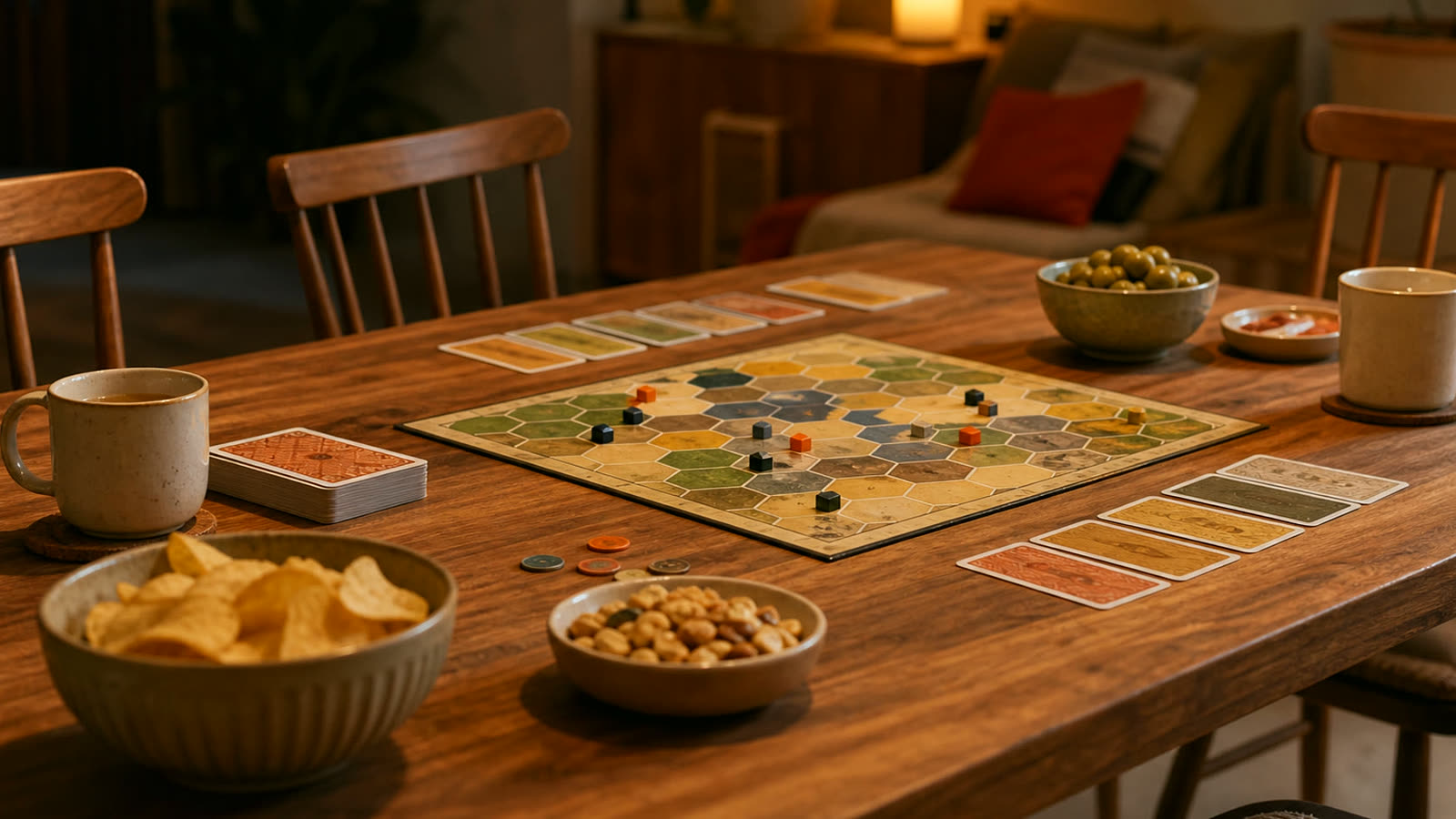
Borrowed board-game night
One short borrowed game tests the people and pace before anyone buys a box.
This weekend: Borrow or use a game you own, invite one to three people, explain the finish time, and play one learning round plus one real round.
Finish: Stop at the agreed time and ask whether the group wants the same game again. Repeat signal: At least one person asks for another round or date. Skip or adapt: Choose a cooperative or open-information game when competition, rules load, or small parts create friction.
A bounded recipe divides naturally into shared tasks and a finished meal.
This weekend: Choose a simple tested recipe, divide mixing and shaping, confirm dietary needs, and make one modest batch with tools already in the kitchen.
Finish: Eat the batch and name one step each person would repeat or change. Repeat signal: You want to try the same dough again before buying a machine. Skip or adapt: Use a simpler shared recipe when allergens, heat, cleanup, hand strength, or kitchen space is a concern.
One clearly labeled beginner class provides structure without a membership decision.
This weekend: Choose a reputable true-beginner drop-in class, confirm footwear and access requirements, and plan transport before paying.
Finish: Attend one class and note whether the pace, music, space, and teaching style fit. Repeat signal: You want the same level again, not a harder class. Skip or adapt: Use a gentle at-home rhythm session when cost, access, pain, balance, transport, or crowding is a blocker.
Three songs and one prompt create conversation without a full event.
This weekend: Each person brings one song. Listen without multitasking, then answer one prompt: what detail changed on a second listen?
Finish: All three songs and three answers are complete. Repeat signal: Someone proposes the next theme or artist. Skip or adapt: Use headphones separately and share notes later when noise, schedules, or sensory needs conflict.
A familiar route and one real question make a social plan easy to start and end.
This weekend: Invite one person to a 30-minute familiar walk and bring one open question you genuinely want to discuss.
Finish: Return to the agreed endpoint without extending the plan by default. Repeat signal: Both people can imagine another route or question. Skip or adapt: Use a seated call or indoor route when weather, light, traffic, access, or social energy makes the walk a poor fit.
Complete one practical unit instead of redesigning your life before Monday. For more useful-finish ideas, compare 25 productive hobbies for adults. If you are testing income potential, read about realistic hobbies that can make money before buying tools, inventory, or a course.
16
Windowsill light and care audit
Real light and a seven-day care check come before seeds, pots, or a countertop kit.
This weekend: Observe one window in morning, midday, and late afternoon, record direct-light hours, and check whether water can drain safely.
Finish: One seven-day observation card is taped near the window. Repeat signal: You remember the check and still want to care for one plant. Skip or adapt: Choose a one-day project when travel, pets, children, light, drainage, or routine makes plant care unreliable.
One visible repair teaches a repeatable hand skill without buying a sewing machine.
This weekend: Use a needle, matching thread, scissors, and one garment. Copy the attachment pattern from a secure nearby button.
Finish: The button sits flat, survives a gentle tug, and every sharp tool is stored. Repeat signal: You notice another small repair you would willingly attempt. Skip or adapt: Ask a repair shop or experienced person for help when fabric is delicate, valuable, thick, or difficult to handle.
One base and three variations build cooking judgment without a week of meal-prep pressure.
This weekend: Choose one familiar grain, noodle, or salad base and prepare three small portions with three different sauces or toppings.
Finish: Label the portions and write which variation you would make again. Repeat signal: You want to improve one combination rather than buy a new appliance. Skip or adapt: Use shelf-stable tasting notes when allergens, refrigeration, food-safety knowledge, or kitchen access is uncertain.
A measured map tests whether organizing feels satisfying before storage shopping.
This weekend: Empty one small drawer, group what belongs, measure the usable space, and sketch zones on paper before replacing anything.
Finish: The drawer closes easily and a photo or sketch records the layout. Repeat signal: The arrangement still works after one normal week. Skip or adapt: Choose a creative sorting hobby when decluttering brings conflict, distress, or decisions that are not yours to make.
Mapping one known loop combines observation, memory, and a practical local reference.
This weekend: Walk one familiar block, then sketch turns, crossings, one landmark, and one useful stop from memory when you return.
Finish: The rough map connects start to finish and includes one safety note. Repeat signal: You want to add one adjacent block without relying on turn-by-turn navigation. Skip or adapt: Do not explore unfamiliar, private, poorly lit, or unsafe areas for the sake of a more interesting map.
Pick a calm activity with a stopping point so rest feels chosen rather than lost to scrolling.
21
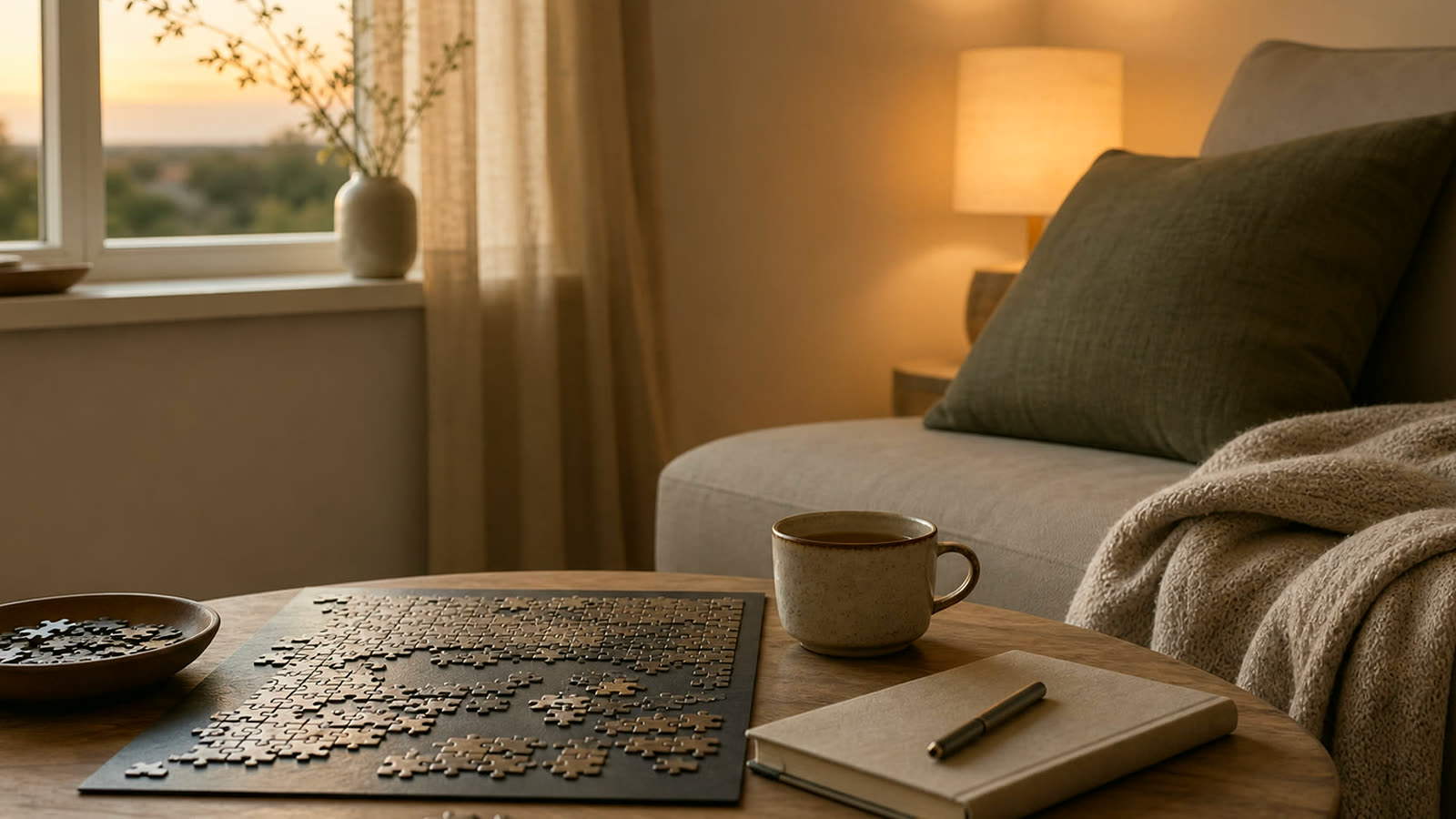
One 500-piece puzzle session
A bounded puzzle project provides quiet focus and a visible restart point.
This weekend: Borrow a puzzle, clear a flat surface, sort edge pieces for 15 minutes, then build for one 45-minute session.
Finish: Store loose pieces safely and photograph the exact restart point. Repeat signal: You want to return to the same image without needing a new challenge. Skip or adapt: Choose a large-piece or shorter puzzle when visual fatigue, small parts, pets, children, or surface space creates friction.
A complete short story creates a satisfying reading finish inside one weekend.
This weekend: Borrow or choose one story you can finish in two sittings. Read for 30 minutes and mark the exact paragraph where you stop.
Finish: Write one sentence about the image, choice, or character that stayed with you. Repeat signal: You want another story by the same author or theme. Skip or adapt: Choose an essay, audiobook, or illustrated work when the format or concentration demand is a poor fit.
Two small cups turn an existing drink into a simple sensory hobby.
This weekend: Use two teas you already have or share samples with a friend. Keep cup size and water similar, then note aroma, body, and finish.
Finish: Choose one preference and write why in plain language. Repeat signal: You want to compare the same tea at a different steep time. Skip or adapt: Choose a caffeine-free or non-food sensory hobby when caffeine, temperature, allergies, medication, or diet is a concern.
One leaf, stone, shell, or houseplant gives drawing a calm concrete subject.
This weekend: Use a pencil and scrap paper. Draw one object for 20 minutes without erasing, then add three written observations.
Finish: One page contains the sketch and three details. Repeat signal: You want to draw the same object from another angle. Skip or adapt: Use object photography when hand discomfort, visual strain, or perfection pressure makes drawing unpleasant.
Focused listening turns background music into a finite weekend ritual.
This weekend: Play one album side or five songs and note one instrument, production detail, or lyrical theme in each.
Finish: The selected music ends with five short observations. Repeat signal: You want to compare another era, artist, or arrangement. Skip or adapt: Listen without notes when analysis makes the music feel like work; protect comfortable volume.
One good Saturday can be novelty. A second bounded finish shows whether the activity belongs in an ordinary weekend, and one named blocker tells you whether a product would solve anything real.
01
Select without starting
A recommendation is not activation. The explicit start control records when you are ready to do the activity.
02
Complete the same finish twice
Use the same page, route, dish, repair, round, tasting, or stopping point so the repeat means something.
03
Name friction or choose none
No repeated blocker means no product is needed. A blocker reveals one minimum product type, never a wall of links.
The live planner creates the recommendation only after two completed sessions. It carries the selected idea, filter state, completion count, and blocker into one visible comparison path with the affiliate disclosure immediately before it.
Prices, availability, reviews, included parts, and sellers can change. Check the current listing, labeling, contents, shipping, and return policy. LikeHobby does not rank products by static price or review claims.
Choose a narrower path when the weekend is not the real filter
This page owns longer Saturday and Sunday blocks. Use another guide when place, weeknight timing, social battery, or starter gear matters more.
Good weekend hobbies give you one clear win before Sunday ends: a finished object, a route explored, a skill practiced, a shared ritual, or deliberate recovery. Photo walks, short hikes, watercolor postcards, bread baking, board games, puzzles, reading projects, and simple repairs all work when the first session fits your real energy and time.
How do I choose a weekend hobby when I am tired?
Choose the lowest-friction idea that still feels intentional. A borrowed puzzle, short story, bird count, tea comparison, one-object sketch, or listening session can fit 45 minutes and low energy without turning recovery into another obligation.
Can I start and finish a hobby in one weekend?
You can finish a first-session unit in one weekend even when the larger hobby continues. Complete one postcard, loaf, route, repair, game night, photo theme, sampler, or puzzle session, then judge whether you want a second weekend.
When should I buy supplies for a weekend hobby?
Wait for two real sessions. Buy only when you still want to repeat and can name one blocker that a minimum product would solve, such as unsafe improvisation, missing core material, confusing instruction, comfort, storage, or reliable access.
Are LikeHobby product links affiliate links?
Some product links are Amazon affiliate links. LikeHobby may earn from qualifying purchases at no extra cost to you. The weekend planner and all no-buy first sessions work without clicking a product link.
How LikeHobby chose these weekend hobbies
LikeHobby reviewed each idea for setup, cleanup, transport, weather dependence, social coordination, time-to-finish, safety, no-buy access, and whether the reader can judge the activity before comparing a product. Energy labels describe practical effort, not health outcomes.
01
Protect one block
The first plan fits 45 minutes, about two hours, or a half-day and leaves enough weekend around it.
02
Finish something real
A page, route, dish, loaf, repair, round, tasting, or project stage makes the session easy to evaluate.
03
Repeat before commerce
Only two real sessions and one named blocker justify showing the matching minimum product path.
Editorial note: the useful part of this guide should work even if you never click a product link. Read the full LikeHobby recommendation methodology.
Give this weekend one satisfying finish.
Use the planner for a time-and-energy shortlist, or take the free eight-question quiz when you want a broader match across budget, space, motivation, and social mood.