40 practical ideas9 ranked starting pathsSolo or social-optionalUpdated 2026-07-19
40 Best Hobbies for Introverts: Quiet, Solo & Social-Optional Ideas
Match one quiet hobby to the energy, setting, and amount of company you want today. Start with a free 10-minute session, repeat it once, then compare only the gear that removes a real blocker.
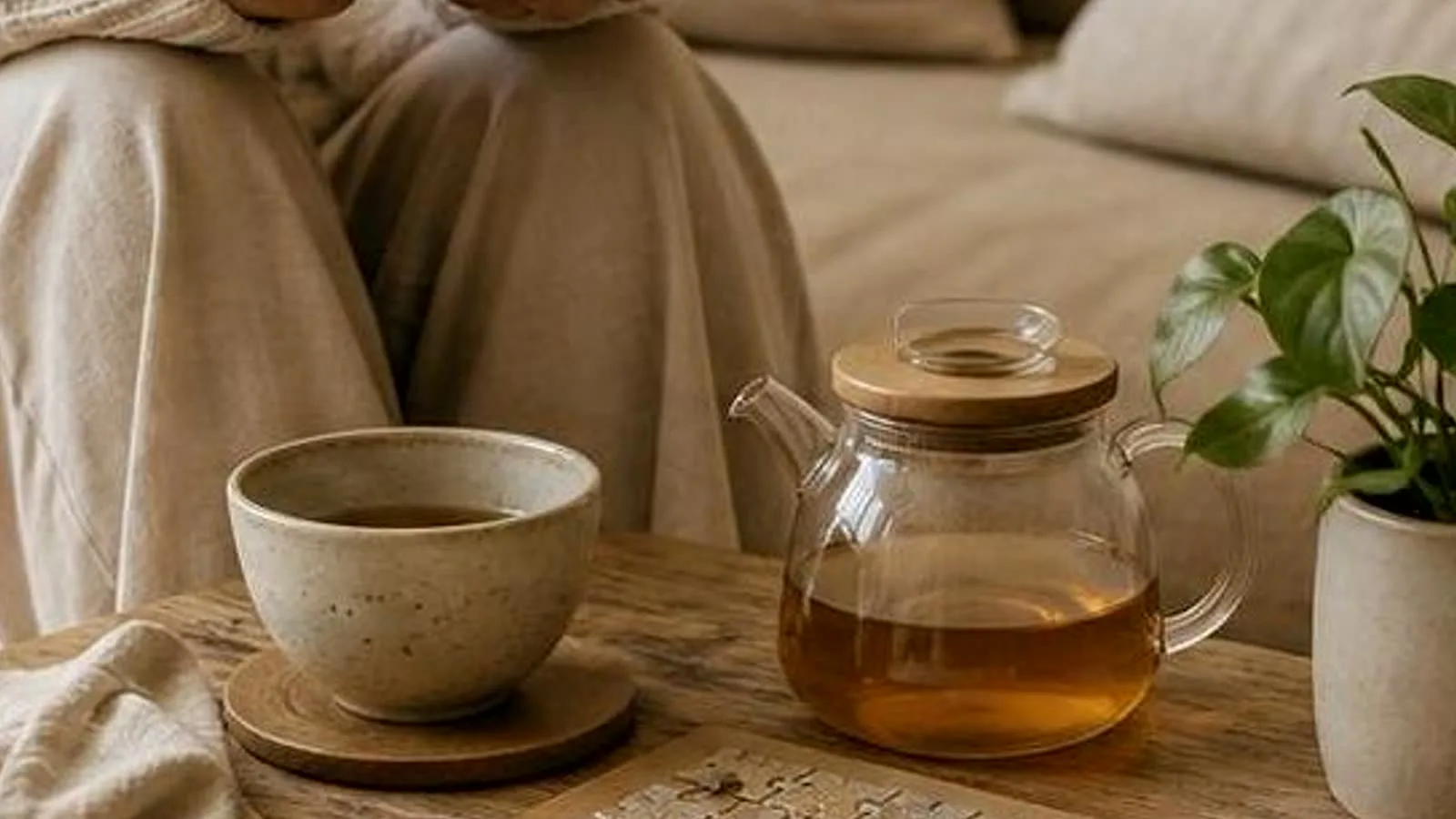
A quiet tea corner with a houseplant and soft neutral furnishings.
What are the best hobbies for introverts?
The best hobbies for introverts offer controllable stimulation, a clear stopping point, and optional—not mandatory—social contact. Try journaling or puzzles when drained, sketching or embroidery for quiet focus, birdwatching or gardening for calm movement, and silent book clubs or small game tables for low-pressure connection.
A useful distinction: Introversion is a preference for lower-stimulation settings, not the same thing as shyness or social anxiety. Choose solo, one-to-one, or small-group versions according to the energy you have today.
No-buy rule: finish the same 10-minute attempt twice with what you own, can borrow, or can access free. Spend only after both sessions and only when you can name the exact friction the purchase removes.
The chooser keeps discovery separate from shopping. Product links remain absent until the same free test is completed twice and one compatible blocker is named.
Choose by the constraint that is strongest today
What should the next guide solve?
If social battery is still the main question, stay on this page. If time, location, outcome, or the shape of your week matters more, use the closest focused guide.
All five paths begin with a no-buy session. Shopping stays behind repeat proof and one named blocker.
People who enjoy depth, calm, solo focus, or selective social time and want hobbies that respect their energy.
First-session test
Try one solo option for 10 minutes. If you want connection later, compare it with one structured social option.
Do not overbuy
Skip hobbies that require constant networking, loud venues, or public performance before you want that challenge.
What this guide covers: this page focuses on introvert-friendly hobbies, quiet solo routines, and low-pressure social hobbies, so it stays distinct from broader LikeHobby idea lists and related buying guides.
Find a hobby for the battery you have today
Choose one answer in each row. The chooser ranks one Best Match and up to two alternatives; the full list of 40 stays available below. Every result starts with a free 10-minute trial.
Social mode
Energy now
Setting
Your Best Match and two alternatives are ready.
Quiet reset
Five-line journal
Write one line about what used energy, what restored it, and what can wait. Stop at five lines.
Every combination returns a best available match. When no idea fits all three answers, the chooser labels the closest compromise and shows which constraint bends—never a blank result. Want more dimensions? Take the free 8-question quiz. Want more variety? Browse all 40 ideas.
Use the two-session proof before you buy anything
Choose one no-buy plan above, complete the same small activity twice on normal days, then name one repeated blocker. Choosing is not starting, and products remain absent until the proof is complete.
01
Started the activity
You began the hobby itself—not shopping or planning—with something you owned, borrowed, accessed locally, or could try free.
02
Reached its finish line
You completed the selected journal, puzzle, stitch, bookmark, bird, photo, plant, reading, or paper-game stopping point.
03
Repeated on a normal day
You wanted to restart the same small version without needing a new identity, a bigger commitment, or an audience.
Move on only after two completed sessions. Buy for named friction—missing core material, unclear instruction, comfort, storage, distance, or reliable access—not for motivation.
Your selected no-buy plan
Choose a plan above
Do thisFinish lineRepeat signal
Step 1Complete once
Step 2Repeat normally
Step 3Name the blocker
Step 4See zero or one setup
Progress is saved on this device for up to 30 days, so the second session can happen on a normal day. Choosing a different hobby resets the evidence.
After two completed sessions: reveal only what solves the repeated blocker
The active page starts with zero Amazon links. A compatible path reveals exactly one minimum setup after the proof above; “nothing material” or a mismatched blocker returns an honest no-buy next step.
Qualification
Same hobby, twice
Switching ideas resets the evidence. The selected activity must reach its finish line in two real sessions.
Relevance
One blocker, one path
Embroidery, plant care, bird counting, and puzzles map only to product types that can solve their stated friction.
No-buy branch
Zero is a valid answer
If the blocker is not material or the reviewed products cannot solve it, LikeHobby recommends no purchase.
Disclosure before the paid link: As an Amazon Associate I earn from qualifying purchases. The optional Amazon search costs you nothing extra and never changes the no-buy-first recommendation.
Keep going without buying.
For a hands-busy quiet repeat
Small preprinted embroidery kit
Best forA reader who enjoyed two scrap-fabric stitch sessions and found missing materials or unclear beginner instruction to be the repeated blocker.
Try freeBorrow a needle and thread, then sew one inch of running stitch twice on scrap fabric.
MinimumOne small preprinted design, light fabric, hoop, floss, needles, and beginner instructions.
Skip ifThreading, close work, or following a fixed pattern felt irritating rather than absorbing.
SafetyUse good lighting, store needles securely, and keep needles and small parts away from children and pets.
Prices, availability, reviews, included parts, and sellers can change. Check the current listing, labeling, contents, shipping, and return policy. LikeHobby does not rank products by static price or review claims.
Three free ways to test the fit before buying
These independent resources let you try a quiet creative, outdoor, or social path without starting on a product page.
These are non-affiliate learning resources. Introversion is a preference for how you spend and restore energy, not a requirement to avoid people. Choose the amount of connection that makes the hobby easier to repeat.
Browse all 40 hobbies for introverts
Choose by recovery style: solo recharge, quiet creativity, structured connection, calm outdoor attention, or a bounded online tool.
Try 10 minutes: Use pantry food already planned for a meal: choose one simple one-pot combination, assemble it in your normal pot, then clean the prep area.
Fit: medium energy · solo · kitchen · $0 incremental test. Repeat two meals before buying a slow cooker.
07
Language study
Private repetition gives visible progress while letting you control when conversation enters the hobby.
Try 10 minutes: Choose five useful phrases from a free dictionary, speak and write them, then recall them without looking.
Fit: medium mental energy · solo now, optional one-to-one later · $0. Practice on three days before paying for structure or feedback.
08
Origami
One sheet becomes a complete object through quiet steps and almost no cleanup.
Try 10 minutes: Cut scrap paper into a square, follow a free corner-bookmark diagram, then repeat the first folds from memory.
Fit: low energy · solo · small desk · $0. Buy origami paper only after you can name two models you want to repeat.
Quiet creative hobbies
Make something tangible without performing for anyone.
09
Watercolor
Transparent washes reward observation and experiment without demanding precise outlines.
Try 10 minutes: Use cooled coffee or tea, plain paper, and a brush or cotton swab to make light-to-dark swatches and one leaf shape.
Fit: low-to-medium energy · solo · table · $0 incremental test. Buy a small student set only when you want a second wash study.
10
Calligraphy
Slow lettering turns a familiar pen movement into precise, private practice.
Try 10 minutes: Write six lowercase letters with a ballpoint, thicken every downstroke, then letter one short word.
Fit: low energy · solo · desk · $0. Buy one brush pen after three faux-calligraphy sessions.
11
Photography walks
A visual constraint gives a short walk purpose while keeping interaction optional.
Try 10 minutes: Walk a familiar block, yard, or building and take one phone photo each minute using only one color, texture, or repeated shape.
Fit: medium energy · solo · nearby outdoors · $0. Use your phone until you can name a real limitation.
12
Knitting
Repeated hand movements create a predictable rhythm and an object that grows one row at a time.
Try 10 minutes: Use two pencils and spare smooth string to make a slipknot, cast on six loops from a free diagram, undo, and repeat.
Fit: low-to-medium energy · solo or side-by-side · home · $0. Buy one needle pair and one yarn ball only if you want a first square.
13
Embroidery
A tiny stitched line gives close focus and a finish small enough for a quiet evening.
Try 10 minutes: On scrap fabric with a needle and thread you own or borrow, cover a one-inch line with running stitches and inspect the back.
Fit: low energy · solo · home · $0–3. Choose one small preprinted kit only if you want to finish a complete motif.
14
Air-dry clay
Hand-building creates a tactile problem with no need for drawing skill or public display.
Try 10 minutes: Mix a spoonful of flour, salt, and water into practice dough, shape a thumb-sized pinch bowl, and add one texture.
Fit: medium hand energy · solo · kitchen table · $0. Buy one small clay pack only if you want a second object that can dry.
15
Music practice
A repeatable rhythm drill builds timing privately before lessons or equipment enter the picture.
Try 10 minutes: Choose four beats from a song you know, clap or tap them slowly, then repeat the pattern without audio.
Fit: medium focus · solo · home · $0. Repeat the drill on three days before buying an instrument or course.
16
Collage
Found images make composition playful because every choice can remain temporary.
Try 10 minutes: Tear five shapes from junk mail, arrange them around one word or color, photograph the result, then recycle the pieces.
Fit: low energy · solo · table · $0. Make three unglued layouts before buying glue or specialty paper.
Low-pressure social hobbies
Use a shared activity to carry the interaction so connection does not depend on constant small talk.
17
Book club
A shared text supplies the topic and makes quiet reading part of the event.
Try 10 minutes: With one friend, silently read the same short article for 6 minutes, then share one passage and one question each.
Fit: low energy · one-to-one or structured group · $0. Confirm the format with a borrowed text before buying a title or membership.
18
Board games with friends
Rules carry the interaction and make thinking pauses feel natural.
Try 10 minutes: Draw a dots-and-boxes grid on scrap paper, play with one person for 8 minutes, then decide whether you would immediately replay.
Fit: medium energy · two to four people · screen-free · $0. Buy one game only when the same group wants a rematch.
19
Coffee tasting
A familiar drink becomes a contained sensory comparison with an easy conversation topic.
Try 10 minutes: Brew coffee you already use, smell and taste it as it cools, then write three plain observations; compare with one person if available.
Fit: low energy · solo or one-to-one · $0 incremental test. Skip gear until you can name one variable you want to control.
20
Community gardening
Parallel tasks allow occasional conversation while everyone’s hands stay occupied.
Try 10 minutes: At a garden you have permission to enter, ask for one bounded task and water, weed, or clear one small edge.
Fit: medium energy · side-by-side group · outdoors · $0. Use shared tools first and buy only after you plan to return.
21
Birdwatching group
Shared observation makes silence useful and gives every conversation a specific subject.
Try 10 minutes: With one friend, watch from a window or park for 8 quiet minutes, then compare one bird behavior each.
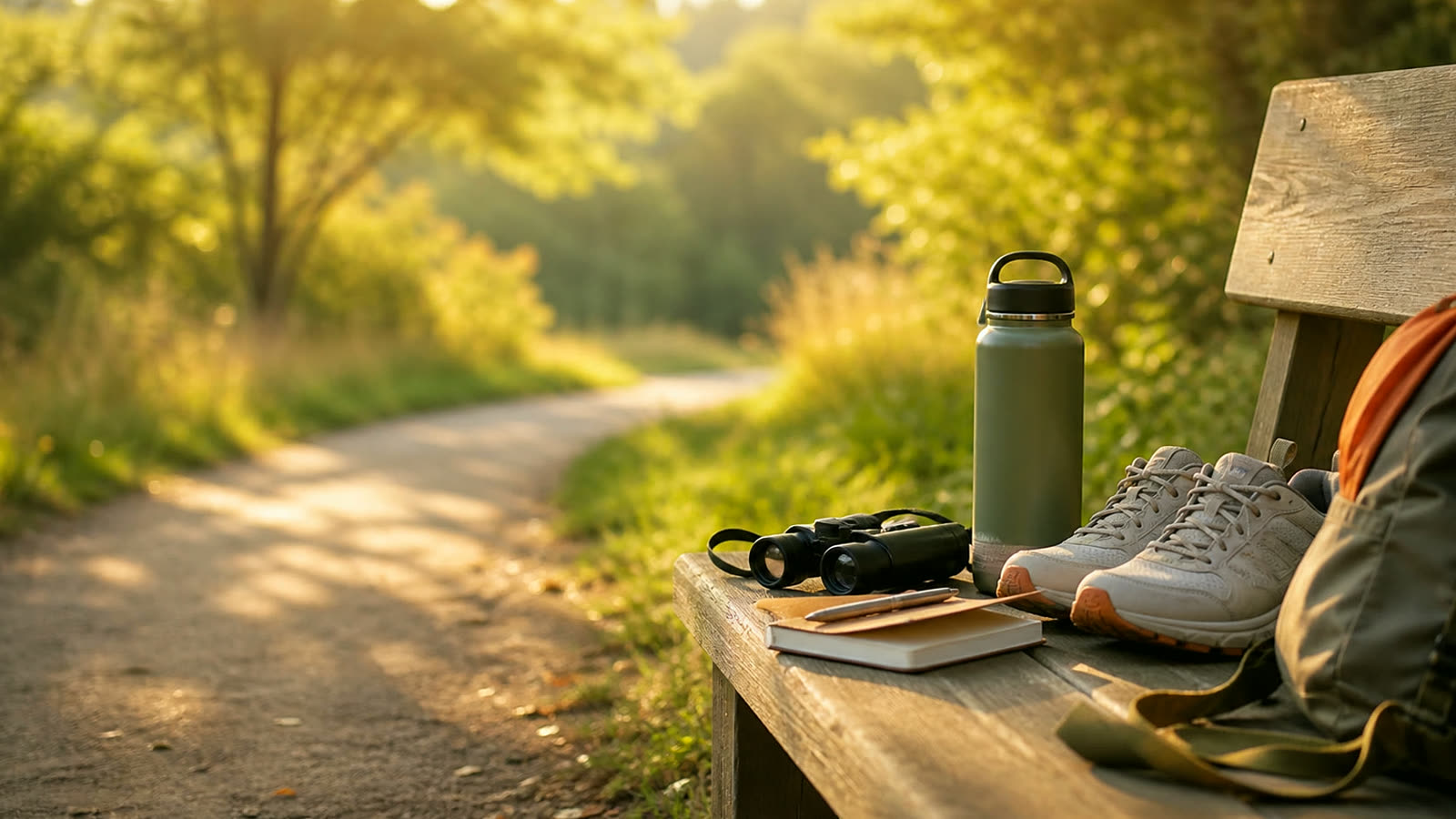
Fit: low-to-medium energy · pair or small group · $0. Join two eyes-only walks or borrow binoculars before buying.
22
Pottery class
Instructor-led steps and occupied hands create group structure without continuous conversation.
Try 10 minutes: Mix a small pantry salt dough and form a pinch cup beside a friend or a free hand-building demo.
Fit: medium energy · structured class later · $0 preview. Book one introductory studio session if forming felt satisfying; skip home equipment.
23
Casual hiking
Side-by-side movement allows natural quiet stretches without making shared time feel stalled.
Try 10 minutes: Invite one person on a familiar easy daylight route, walk 5 minutes out and 5 back, and agree that conversation is optional.
Fit: medium energy · one-to-one or small group · $0. Use ordinary walking gear; add route-specific gear only when conditions require it.
24
Puzzle swap
An exchange creates connection through a shared object without adding a recurring commitment.
Try 10 minutes: Borrow a puzzle, check the image and pieces, then build one corner before deciding whether you want to continue.
Fit: low energy · brief exchange, solo play · $0. Keep swapping; consider a mat only if losing table space repeatedly interrupts you.
Outdoor introvert hobbies
Nature adds stimulation and movement without requiring a crowded room or a group.
25
Birdwatching
A bounded search turns quiet time into active observation without requiring conversation.
Try 10 minutes: Watch one tree or patch of sky and tally each bird’s movement, call, or feeding behavior using only your eyes.
Fit: low energy · solo · window, yard, or park · $0. Complete three eyes-only sessions before borrowing or buying binoculars.
26
Walking photography
A visual constraint turns a familiar route into a private creative prompt.
Try 10 minutes: Walk safely on a familiar route and take one phone photo per minute, capturing the same color, texture, or shape.
Fit: medium energy · solo · nearby outdoors · $0. Review three phone-photo walks before considering a camera.
27
Day hiking
A marked route offers a clear objective and long stretches where solitude feels purposeful.
Try 10 minutes: On a familiar easy daylight path, walk 5 minutes from the entrance and 5 back while noting markings and footing.
Fit: medium energy · solo or one companion · $0 preview. Follow official route guidance before a real hike; buy only for distance, terrain, and weather.
28
Gardening
One plant or small patch gives visible progress and a quiet reason to return.
Try 10 minutes: Inspect one plant’s leaves, soil, and drainage; remove debris, rotate the pot, and water only if needed.
Fit: low-to-medium energy · solo · balcony, yard, or window · $0. Repeat care twice before buying seeds or tools.
29
Stargazing
The night sky rewards patient looking and shifts attention beyond everyday tasks.
Try 10 minutes: From a safe viewing spot, let your eyes adjust, observe the brightest object, then sketch its position against three nearby points.
Fit: low energy · solo · safe outdoor or window view · $0. Complete three naked-eye sessions before considering optics.
30
Nature journaling
A sketch plus factual notes makes close observation more important than artistic polish.
Try 10 minutes: Observe one leaf, stone, or cloud, sketch its outline, then add three notes about color, texture, or change.
Fit: low energy · solo · outdoors or window · $0. Use scrap paper for three entries before buying a notebook.
31
Fishing basics
Knot practice tests the quiet procedural side before an outing, permit, or equipment decision.
Try 10 minutes: Use spare cord and a key ring to study an improved-clinch-knot diagram, tie it three times, then compare the wraps.
Fit: medium focus · solo prep · home now, outdoors later · $0. Check local rules and borrow gear for a legal first outing.
32
Park sketching
A private drawing task lets you occupy a public place without needing to socialize.
Try 10 minutes: From a safe seat, observe one bench, tree, or building, draw its largest shapes, then add two location details.
Fit: low-to-medium energy · solo · park or plaza · $0. Buy one compact sketchbook only when portability becomes a blocker.
Online-light hobbies
Use a screen for one bounded lesson or tool, then return to making, practicing, or researching.
One image creates a finite visual problem and an immediate before-and-after comparison.
Try 10 minutes: Open one phone photo, name what distracts you, test only crop, exposure, and black-and-white, then compare with the original.
Fit: low-to-medium energy · solo · anywhere · $0. Use built-in tools until you can name a missing control.
34
Digital drawing
Undoable marks make visual experimentation inexpensive with almost no setup or cleanup.
Try 10 minutes: In a free drawing or notes app, choose one brush, draw the same household object three ways, and circle the version to continue.
Fit: low energy · solo · home or commute · $0. Complete three sessions on your current device before considering a tablet.
35
Chess puzzles
Each position is a self-contained challenge with objective feedback and no live-opponent pressure.
Try 10 minutes: Solve three free mate-in-one or mate-in-two puzzles, then replay every miss without hints and record the score.
Fit: medium mental energy · solo · anywhere · $0. Solve 30 free positions before paying for explanations or a course.
36
Blogging drafts
Private drafting separates idea-making from publishing, audience response, and platform upkeep.
Try 10 minutes: Write one useful title, draft five sentences, and list what a reader should do next; do not publish it.
Fit: medium mental energy · solo · paper or screen · $0. Finish three private drafts before paying for a domain or hosting.
37
Recipe research
A defined comparison turns browsing into a practical decision rather than an endless inspiration feed.
Try 10 minutes: Find three free versions of one dish, identify their shared base and biggest difference, then choose one using ingredients you own.
Fit: medium mental energy · solo · home · $0. Cook two saved recipes before buying a cookbook or subscription.
38
Music lessons
Asynchronous instruction lets you pause, repeat, and practice privately before inviting live feedback.
Try 10 minutes: Choose one free body-percussion, voice, or owned-instrument lesson; imitate one movement, then repeat it without video.
Fit: medium focus · solo now, teacher optional later · $0. Complete three free drills before purchasing a lesson.
39
Genealogy notes
One family-history question creates a concrete investigation with purposeful, optional contact.
Try 10 minutes: Choose one relative, write six facts from memory or records on hand, then mark each as known, uncertain, or worth asking.
Fit: low-to-medium energy · solo with optional family contact · $0. Skip subscriptions until one precise question is blocked.
40
Online class practice
A short lesson supplies structure while leaving pace, repetition, and participation under your control.
Try 10 minutes: Open one free lesson, preview its outcome, complete the smallest exercise, then write the next action without enrolling.
Fit: medium mental energy · solo or asynchronous · $0. Finish three free lessons and one small assignment before buying a course.
Frequently asked questions
What hobbies are best for introverts?
The best fit has controllable interaction and a clear stopping point. Reading, journaling, puzzles, sketching, embroidery, birdwatching, gardening, and structured small groups work well because you can choose solo time or light connection.
What are quiet hobbies for introverts after work?
Choose a low-setup activity that can end in 10 to 20 minutes, such as a five-line journal, one puzzle corner, origami bookmark, short-story session, tea tasting, simple embroidery, or a window bird count.
What can I do at home instead of scrolling?
Set a 10-minute timer and make one observable result: sketch a mug, fold a bookmark, write five lines, solve three chess puzzles, photograph one object, audit one plant, or stitch a one-inch line.
Which introvert hobbies are cheap and easy to start?
Library reading, journaling on loose paper, phone photography, walking, free chess puzzles, scrap-paper origami, nature journaling, and plant care can start free with supplies you already own.
What hobbies can I do alone without a screen?
Try reading a physical book, journaling, sketching, jigsaw puzzles, origami, embroidery, clay, gardening, stargazing, nature journaling, park sketching, or a quiet cooking project.
What hobbies help introverts meet people without much small talk?
Choose a structured activity where the hobby carries the interaction, such as a silent book club, stitch circle, birding walk, pottery class, community garden task, puzzle swap, or small board-game table.
How do I choose when my social battery is low?
Start with the smallest solo option that matches your current physical energy and space. Finish one 10-minute test, then notice whether you feel steadier, more curious, or ready to continue before planning a second session.
Choose a more specific next path
Use the guide that matches the friction you want to remove: low energy, too much screen time, uncertainty about a first craft kit, or uncertainty about binoculars.
How LikeHobby chose these introvert-friendly hobbies
LikeHobby compares each idea by noise, social energy, cost, space, setup, and whether a beginner can finish one real trial before buying anything. “Introvert-friendly” means controllable interaction and recovery—not that every introvert wants the same routine.
01
Start with one session
Choose the smallest version that gives you a real attempt: one short practice, one walk, one project, one recipe, one page, or one repeatable routine.
02
Check repeatability
A hobby is a better fit when you can restart it on a normal week without special motivation, extra space, or a complicated setup ritual.
03
Buy only for friction
Gear should solve a specific blocker such as comfort, safety, storage, cleanup, instruction, or consistency. If it only makes the idea look more exciting, wait.
Editorial note: some LikeHobby pages include Amazon affiliate links, but the recommendation standard is still no-buy first. The useful part should be the decision framework even if you never click a product link.
Leave with one 10-minute plan.
Use the chooser again, or let the free quiz rank hobbies by time, budget, energy, space, and social preference before you spend.