35 exact alternatives5, 10, or 20 minutesMostly $0 startsUpdated 2026-07-21
35 Things to Do Instead of Scrolling at Home + a 5-Minute Switch
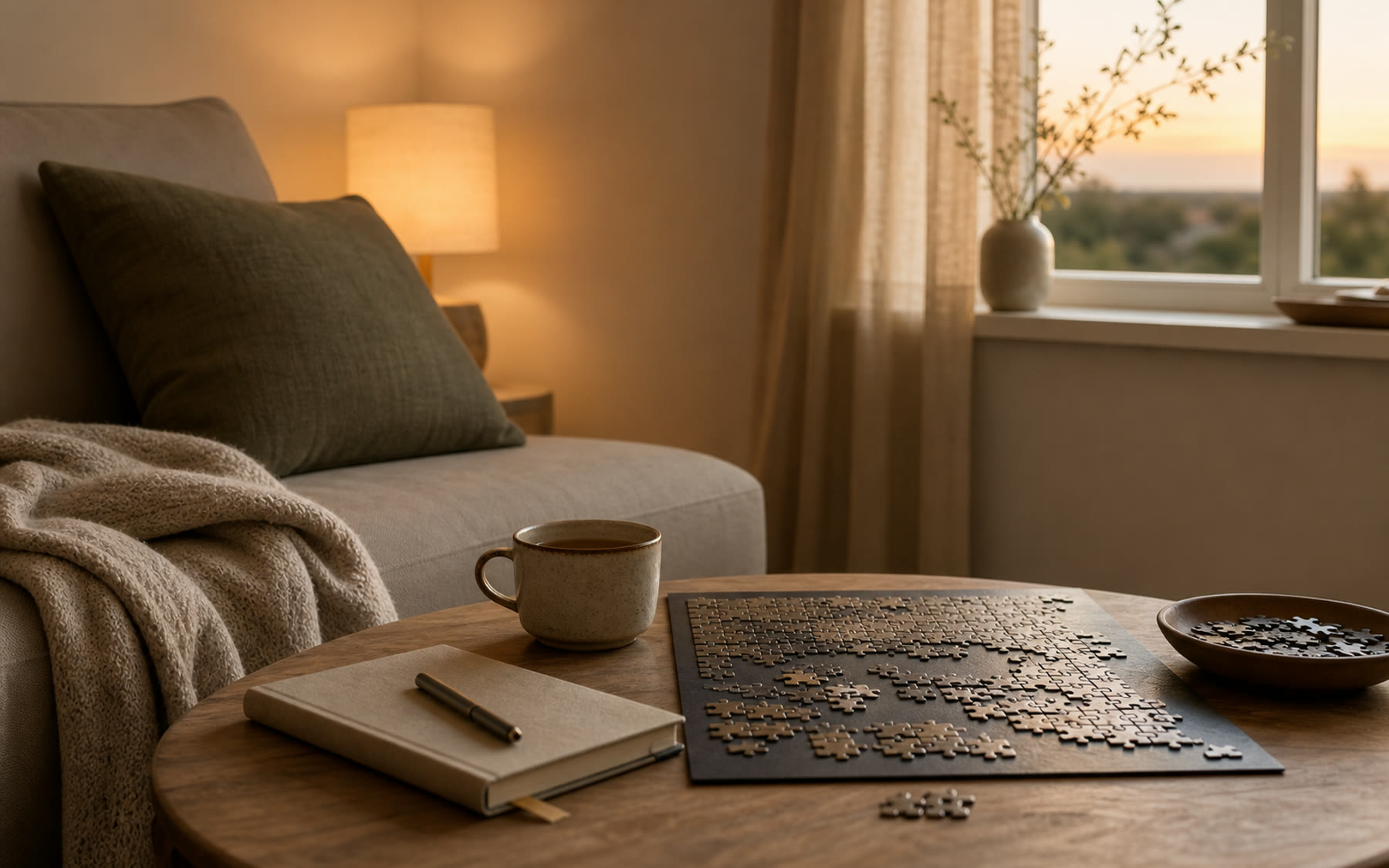
Pick the time, energy, and payoff you need now. Move the phone, finish one tiny result with what you already own, and leave an obvious cue for tomorrow.
Put one inviting object where the phone usually sits so the alternative is easier to begin.
Quick answer: replace the next scroll, not your whole life
Very tired: choose a five-minute reset with a visible end. Mentally restless: give your hands a small pattern, sketch, fold, or puzzle. Need novelty: change the question, object, room, flavor, or rule. Want connection: send one purposeful voice note or ask one family-story question instead of opening a feed.
The switch: place the phone on a charger outside arm's reach, put the first object in its place, set one timer, and stop at the promised finish. Leave the object ready only if you want to repeat it.
Every option begins with what you own. The optional shopping paths appear only after the three-day repeat test.
Use a four-part behavior switch
1 · Name the need
Choose the reward you are actually seeking: soothing, hands busy, novelty, or a small moment of connection.
2 · Change one cue
Move the phone and place the first physical object in the spot where you usually reach for it.
3 · Define the finish
Use a timer plus a countable result: five lines, one corner, one photo, three stitches, or one round.
4 · Leave a restart clue
If the session felt worth repeating, leave the next page, piece, prompt, or ingredient ready. Otherwise, try a different need.
This is a practical hobby-discovery guide, not medical advice and not a claim that one activity will fix every phone habit. It focuses on making one intentional choice easier right now.
Find one alternative that fits right now
Choose one answer in each row. The shortlist updates on this page and starts with a free or what-you-own attempt.
Time available
Energy now
What you need
12 what-you-own alternatives are ready to compare.
Quiet mental off-ramp
Five-line reset
Five lines turn a vague mood into one small page with a definite ending.
Use these when opening a new app feels easier than starting a project. Each one has an environment cue, a finish line, and a signal for whether to repeat.
Low energyIdeas 01–05
01 · 5 min · low energy
Five-line reset
Environment: Charge the phone across the room and place one loose sheet and pen where it was.
Start and finish: Write one line each for “now,” “need,” “can wait,” “next,” and “enough.” Stop after line five.
Repeat signal: Leave the pen on the page only if a second five-line check-in sounds useful tomorrow. Cost: $0 with any paper.
02 · 5 min · low energy
One-corner puzzle sort
Environment: Put the phone face down beyond reach and pour a small handful of puzzle pieces onto a tray.
Start and finish: Find edge pieces, choose one corner color, and connect what fits. Stop when the timer rings.
Repeat signal: Save only the connected corner if you want to look for its neighboring pieces tomorrow. Cost: $0 if owned or borrowed.
03 · 5 min · low energy
Tea tasting note
Environment: Leave the phone outside the kitchen and set one familiar tea, coffee, or caffeine-free drink beside a scrap note.
Start and finish: Smell once, sip twice, and write three words for aroma, taste, and aftertaste. Stop there.
Repeat signal: Try one changed variable next time—water temperature, steep time, or cup—only if comparison felt interesting. Cost: use your usual drink.
04 · 5 min · low energy
Window detail count
Environment: Place the phone behind you and sit or stand at a safe window with a paper tally.
Start and finish: Count five colors, five moving things, and five straight lines outside. Stop at fifteen marks.
Repeat signal: Return at a different time only if you are curious about what changes. Cost: $0 and no identification app required.
05 · 5 min · low energy
Mystery object texture test
Environment: Put three safe household objects in a pillowcase and leave the phone on a nearby charger.
Start and finish: Feel one object without looking and list five texture or shape clues before naming it. Repeat once.
Repeat signal: Ask someone else to choose tomorrow's objects only if the guessing felt playful. Cost: $0 with what you own.
Medium energyIdeas 06–10
06 · 5 min · medium energy
One-object sketch
Environment: Replace the phone with a pencil, scrap paper, and one ordinary object under steady light.
Start and finish: Draw its largest outer shape, add three internal shapes, then one shadow. Sign and stop.
Repeat signal: Turn the object and draw a new angle tomorrow if you noticed more than you expected. Cost: $0.
07 · 5 min · medium energy
Origami bookmark
Environment: Set a square of scrap paper on the table and prop the phone out of reach after opening one saved instruction.
Start and finish: Fold one corner bookmark, close the instruction, and repeat the final two folds from memory.
Repeat signal: Make a second from memory tomorrow only if the sequence felt satisfying. Cost: $0; no special paper needed.
08 · 5 min · medium energy
One-surface reset
Environment: Put the phone in a drawer and place an empty basket beside one desk, shelf, or table section.
Start and finish: Remove trash, return five items, and wipe one hand-sized area. Stop when that area is clear.
Repeat signal: Choose one adjacent hand-sized area tomorrow only if the visible change felt useful. Cost: $0.
09 · 5 min · medium energy
Quick voice note
Environment: Decide the recipient before unlocking the phone and close every app except messages.
Start and finish: Send one memory, thanks, or specific question in under sixty seconds. Lock the phone immediately afterward.
Repeat signal: Continue the conversation later if they reply; do not wait inside the app. Cost: $0 on your usual service.
10 · 5 min · medium energy
Color-hunt still life
Environment: Turn the phone face down and choose one color before looking around the room.
Start and finish: Gather three safe objects in that color, arrange them once, and view them from three angles.
Repeat signal: Photograph one arrangement only after finishing if you want a record; use a new color next time. Cost: $0.
Ready to moveIdeas 11–12
11 · 5 min · active
Hallway lap and water
Environment: Leave the phone charging and clear a familiar, obstacle-free route to the kitchen and back.
Start and finish: Walk the route at a comfortable pace, refill a glass of water, and return to your starting seat.
Repeat signal: Use the same route at the next scroll cue only if it felt easy and safe. Cost: $0.
12 · 5 min · active
Sock-ball target toss
Environment: Move breakables, place an empty laundry basket on the floor, and leave the phone outside the throwing area.
Start and finish: Roll two socks into a soft ball and take ten throws from a comfortable distance. Record the score.
Repeat signal: Change the distance tomorrow only if you want to beat the score. Cost: $0 with a basket and socks.
Ten-minute replacements
These give you enough time to enter a small task without turning the evening into a major project.
Low energyIdeas 13–16
13 · 10 min · low energy
One physical chapter
Environment: Place a book where the phone usually rests, charge the phone across the room, and keep one bookmark ready.
Start and finish: Read until the chapter ends or the timer rings, whichever comes first. Mark the next page and close the book.
Repeat signal: Leave the book visible only if you want the next section tomorrow. Cost: $0 with an owned or borrowed book.
14 · 10 min · low energy
Three-sense journal
Environment: Dim unnecessary screens, set paper on your lap or table, and place the phone outside reach.
Start and finish: Write what you can hear, feel, and see; add one sentence about what you need next. Stop at one page.
Repeat signal: Reuse the same four prompts if the page made the next action clearer. Cost: $0 with any notebook or paper.
15 · 10 min · low energy
Plant care audit
Environment: Leave the phone behind and bring one plant to a bright, wipeable surface without changing its routine yet.
Start and finish: Check soil moisture, drainage, leaf dust, light direction, and new growth. Water only if the plant needs it.
Repeat signal: Record one observation and check again on the plant's normal schedule. Cost: $0 with a plant you already care for.
16 · 10 min · low energy
Handwriting drill
Environment: Put one comfortable pen and scrap sheet in the phone's usual spot and choose a short sentence before starting.
Start and finish: Copy the sentence five times slowly, changing spacing or letter size once. Circle the clearest version.
Repeat signal: Practice one difficult letter next time only if comparison felt interesting. Cost: $0 with your usual pen.
Medium energyIdeas 17–21
17 · 10 min · medium energy
Paper collage square
Environment: Move the phone, set out one envelope or scrap page, old paper, and a glue stick or tape.
Start and finish: Tear five shapes, arrange them inside one hand-sized square, and attach only those five.
Repeat signal: Save one unused texture for tomorrow if arranging felt better than browsing. Cost: $0 with clean scrap paper.
18 · 10 min · medium energy
Visible mending stitch
Environment: Put the phone away, sit under clear light, and use scrap fabric or one sturdy item with a small loose edge.
Start and finish: Thread a borrowed or owned needle, knot safely, and sew one inch of running stitch. Secure the thread.
Repeat signal: Continue only if threading and close work felt manageable. Cost: $0 with owned or borrowed basics; do not buy a kit yet.
19 · 10 min · medium energy
One-drawer sort
Environment: Leave the phone in another room and place three containers nearby: keep here, move elsewhere, and discard.
Start and finish: Empty only one shallow drawer, sort every item once, wipe it, and return the keep-here group.
Repeat signal: Label one next drawer for another day only if the limit prevented overwhelm. Cost: $0; reuse bowls or boxes.
20 · 10 min · medium energy
Recipe decision card
Environment: Put the phone on a kitchen charger and set one index card beside ingredients already in the pantry.
Start and finish: Choose one base, one flavor, and one texture; write a simple snack or meal plan with five steps or fewer.
Repeat signal: Cook it later only if all essential ingredients are already available. Cost: plan from what you own.
21 · 10 min · medium energy
Memory map from home
Environment: Put the phone under a book and place blank paper landscape-style on a clear surface.
Start and finish: Draw a remembered route from childhood, add five landmarks, and mark one unanswered detail with a question.
Repeat signal: Ask someone about that detail or map a new route next time if the memory stayed interesting. Cost: $0.
Ready to moveIdeas 22–24
22 · 10 min · active
One-song dance break
Environment: Clear a stable, obstacle-free patch and queue one familiar song before placing the phone out of reach.
Start and finish: Move however feels comfortable while the song plays, then take one quiet minute and put the space back.
Repeat signal: Save a second song for another day only if the clear boundary felt energizing. Cost: $0 with music you already access.
23 · 10 min · active
Four-move mobility circuit
Environment: Put the phone away and clear enough floor or standing space to move without bumping furniture.
Start and finish: Choose four familiar, comfortable movements and do each slowly for one minute, resting between rounds. Stop if anything hurts.
Repeat signal: Keep the same four only if they felt safe and easy to remember. Cost: $0; no equipment required.
24 · 10 min · active
Living-room scavenger hunt
Environment: Write five prompts on paper, such as round, older than you, soft, blue, and makes a sound; then hide the phone.
Start and finish: Find one safe object for every prompt and return each object to its place before the timer ends.
Repeat signal: Trade prompts with someone else next time if searching felt playful. Cost: $0 with household objects.
Twenty-minute replacements
Use these when you want a fuller session with a visible result, but still need a clear stopping point.
Low energyIdeas 25–28
25 · 20 min · low energy
Jigsaw corner
Environment: Put the phone away and use a tray, placemat, or piece of cardboard so unfinished pieces can move safely.
Start and finish: Sort edges for five minutes, choose one corner, and build outward until the timer rings. Store the tray intact.
Repeat signal: Continue tomorrow only if you want the next neighboring piece. Cost: borrow, swap, or use an owned puzzle first.
26 · 20 min · low energy
Embroidery sampler
Environment: Place the phone away, sit under bright light, and set scrap fabric, thread, and a safely stored needle on a small tray.
Start and finish: Sew one short line each of running stitch, backstitch, and one simple fill. Secure the thread and store the needle.
Repeat signal: Try one tiny outline next time only if the close work felt comfortable. Cost: borrow basics before buying a kit.
27 · 20 min · low energy
Card-game solitaire round
Environment: Put the phone under the card box and clear a table or tray wide enough for one familiar solitaire layout.
Start and finish: Shuffle once, play one complete round or until no move remains, and record only win, loss, or unfinished.
Repeat signal: Play the same rules again tomorrow if tracking one round felt satisfying. Cost: $0 with an owned or borrowed deck.
28 · 20 min · low energy
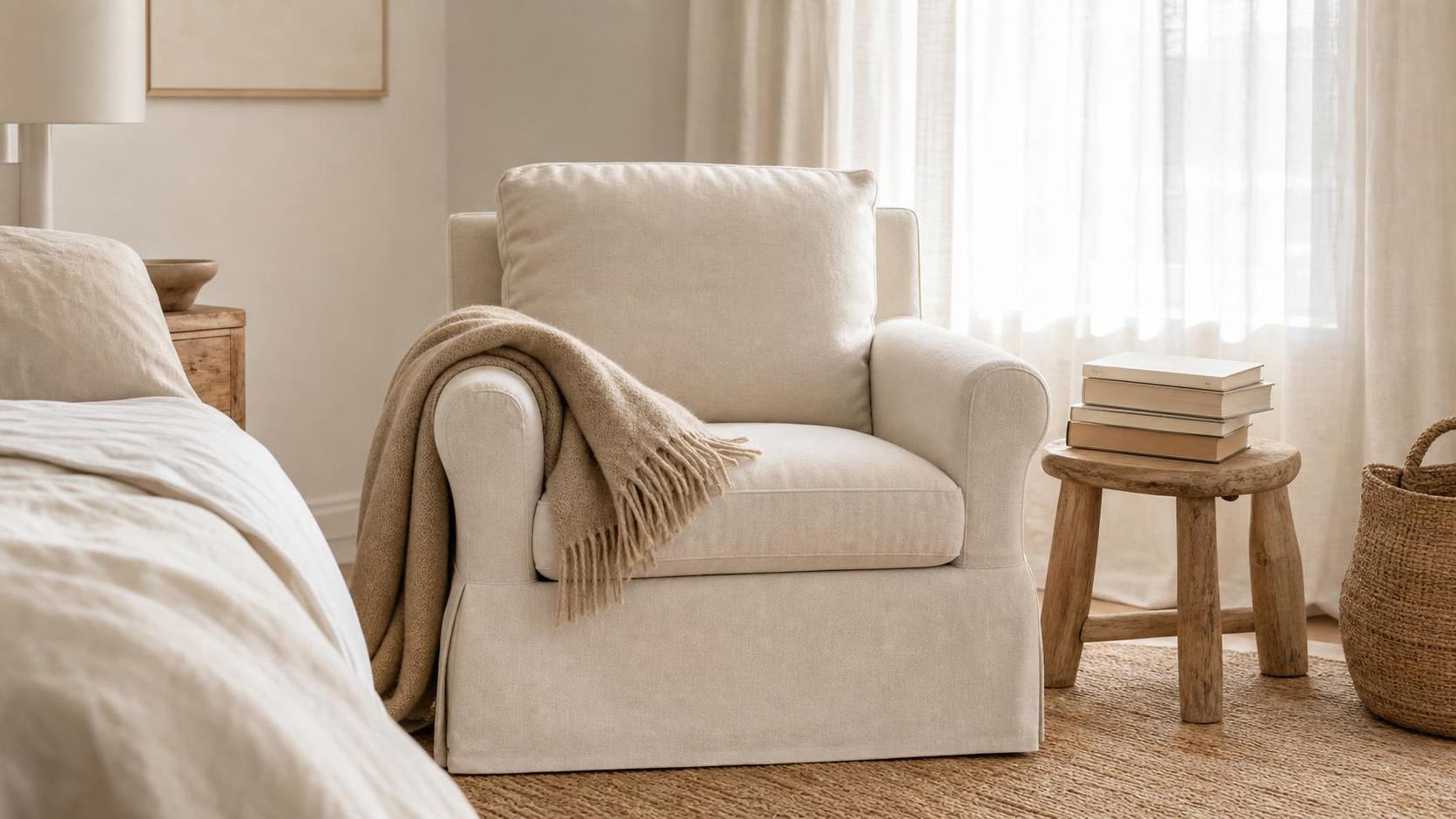
Build a reading nook
Environment: Move the phone charger away from one comfortable chair and gather only a lamp, drink, bookmark, and one book.
Start and finish: Spend five minutes arranging the spot and fifteen minutes reading. Return anything that makes the area cluttered.
Repeat signal: Leave the book and bookmark if the setup reduced friction. Cost: $0 with furniture and lighting you already use safely.
Medium energyIdeas 29–32
29 · 20 min · medium energy
Pantry snack experiment
Environment: Leave the phone charging outside the work area and choose one safe base ingredient you already know how to prepare.
Start and finish: Make two small versions with one changed seasoning or texture, taste both, and write which change worked.
Repeat signal: Keep the winning combination for another snack if cleanup stayed reasonable. Cost: use ingredients already on hand.
30 · 20 min · medium energy
Photo still-life challenge
Environment: Close every phone app except the camera and gather three safe household objects near one window or lamp.
Start and finish: Make three arrangements, take one photo of each, choose the strongest, and lock the phone without editing or posting.
Repeat signal: Use a new light direction tomorrow if composition held your attention. Cost: $0 with your current camera.
31 · 20 min · medium energy
Windowsill herb regrow
Environment: Put the phone away and clear a stable, pet-safe window area with suitable light before bringing water near it.
Start and finish: Rinse usable scallion roots, place them in shallow clean water, label the date, and wipe the surface dry.
Repeat signal: Refresh the water and observe growth for one week before buying seeds or a kit. Cost: reuse kitchen scraps and a small glass.
32 · 20 min · medium energy
Family story interview
Environment: Write one specific memory question before calling or sitting down, and keep paper ready so the phone stays on the call.
Start and finish: Ask the question, listen without searching, and record five facts plus one follow-up question. Thank the person and stop.
Repeat signal: Schedule another story only if both people want to continue. Cost: $0 using your usual call or shared space.
Ready to moveIdeas 33–35
33 · 20 min · active
Room-to-room photo walk
Environment: Close every phone app except the camera and choose a safe theme such as shadows, circles, or repeated colors.
Start and finish: Walk through each accessible room, take no more than two photos per room, keep three, and lock the phone.
Repeat signal: Choose a different theme next time if familiar rooms looked newly interesting. Cost: $0 with your current camera.
34 · 20 min · active
Paper airplane flight test
Environment: Move breakables and people from a clear indoor flight path, put the phone away, and mark a starting line with tape or a sock.
Start and finish: Fold two scrap-paper designs, fly each three times, and record the farthest safe landing. Recycle or store both.
Repeat signal: Change one fold next time if comparing results felt fun. Cost: $0 with clean scrap paper.
35 · 20 min · active
Three-song movement set
Environment: Clear a safe floor area, queue exactly three familiar songs, and place the phone where it controls sound but cannot be held.
Start and finish: Use song one to move gently, song two more freely, and song three to slow down. Stop when the queue ends.
Repeat signal: Keep or revise the same three-song set only if the boundary felt comfortable. Cost: $0 with music you already access.
Evidence before equipmentThree separate returnsOne blocker at most
Why the page waits for three sessions
01 · Friction
The first session proves whether the setup can begin in under two minutes with what you already own.
02 · Return
The second and third sessions prove that the activity—not browsing for supplies—is what pulls you back.
03 · Blocker
Only one supported, observed blocker can reveal one comparison. Every vague or non-product problem stays a no-buy path.
Commerce boundary: Amazon links on arrival: 0. Amazon links after an incomplete, adjust, stop, or unsupported path: 0. A completed three-session qualified path: exactly 1.
What can I do instead of scrolling when I am tired?
Choose a five-minute activity with one visible finish, such as writing five lines, sorting one puzzle corner, making a tea note, counting window details, or folding a bookmark. Put the phone out of reach before you begin.
How can I replace scrolling without buying anything?
Start with paper, a pen, a book, a household object, pantry ingredients, a deck of cards, scrap fabric, or another item you already own. Repeat the activity on three separate days before considering supplies.
How long should a scrolling replacement take?
Use the smallest time box you can finish today: five minutes when tired, ten minutes when you can focus, or twenty minutes when you want a fuller session. A clear stopping point matters more than making the session long.
What if I keep picking up my phone automatically?
Change one environmental cue before choosing an activity: charge the phone across the room, place it face down outside your reach, and put the first hobby object where the phone usually sits.
Does the replacement have to be screen-free?
No. A bounded, purposeful screen task can work when it has a defined result and stop point. The ideas here favor offline starts because they make the switch easier to see, but the goal is deliberate use rather than a perfect rule.
When should I buy supplies for a new hobby?
Wait until you complete the free version on three separate days and can name the exact blocker. Then buy the smallest setup that removes that blocker, and skip bundles padded with items you do not need.
Choose the guide that matches the next friction
Use a broader hobby list when you want long-term discovery; use a specific guide when energy, timing, or screen exposure is the blocker.
LikeHobby included ideas that can begin at home with a concrete cue, finish in five to twenty minutes, and produce a visible result or clear stopping point. We favored what-you-own tests over shopping and removed options that needed an account, audience, complicated cleanup, or a vague promise of feeling better.
01
Low first-action friction
The first object and first move are named so the reader does not need another round of research before starting.
02
Observable finish
Each idea ends with a count, page, round, result, or timer rather than an open-ended instruction to “be productive.”
03
Honest purchase boundary
Supplies appear only after three repeats and only when they solve a specific blocker discovered in use.
Editorial note: LikeHobby may earn from clearly labeled Amazon links, but every recommendation on this page remains useful without a purchase. See how we choose.
Choose one finish you can see.
Use the chooser again, or let the free quiz rank longer-term hobbies by time, budget, energy, space, and social preference.